





Grandparents often treasure every moment with their grandchildren, wanting to share wisdom, love, and laughter. Yet sometimes, even with the best intentions, certain conversational habits can create misunderstandings, discomfort, or distance.
From unintentional criticism to dominating the discussion, small missteps in communication can subtly affect the bond.
Recognizing these 31 conversation mistakes can help grandparents foster more meaningful, open, and positive connections with the young ones they adore.
31. Overloading With Stories

Sharing stories from your past can be a wonderful way to connect, but constantly talking about your own experiences without pausing for their input can overwhelm grandchildren. They might feel trapped in a lecture rather than part of a conversation. Keep anecdotes brief, relevant, and interactive, then ask questions about their own lives. This creates a two-way dialogue, preserves family history, and makes your stories feel alive rather than a monologue.
30. Talking Too Much About Rules

Grandparents often unintentionally lecture grandchildren about “shoulds” and “musts,” making kids feel controlled. While guidance is important, endless reminders can create resistance. Instead, discuss decisions collaboratively, ask for their thoughts, and offer gentle advice. This approach models respect for their judgment, encourages independent thinking, and turns conversations into shared problem-solving moments rather than one-sided lectures.
29. Interrupting or Correcting

Jumping in mid-sentence or constantly correcting grandchildren can make them feel unheard. When children sense their opinions aren’t valued, they may withdraw. Practicing patience and letting them finish their thoughts demonstrates respect and builds trust. Even when offering guidance, frame corrections gently and validate their feelings first. This approach encourages honest sharing and creates a safe space for meaningful dialogue.
28. Using Outdated Language or References

Referencing old pop culture, slang, or technology too often can make grandchildren feel disconnected. While nostalgia is enjoyable, it’s important to blend stories with examples they understand—like current music, shows, or trends. Doing this bridges the generational gap and makes conversations relatable, allowing kids to engage without confusion or disinterest while still appreciating your experiences.
27. Overly Emotional Reactions

Reacting with excessive worry, anger, or disappointment can intimidate grandchildren, discouraging them from sharing. Kids may hide their feelings to avoid upsetting you. Staying calm, empathetic, and composed when addressing conflicts or mistakes reassures children that honesty is safe. This approach fosters open communication, strengthens trust, and helps grandchildren feel secure sharing their emotions without fear of harsh judgment.
26. Ignoring Their Interests

Focusing solely on personal hobbies or memories while neglecting your grandchildren’s passions can make conversations feel one-sided. Children thrive when they feel their interests are valued. Ask about games, music, school projects, or creative endeavors. Showing genuine curiosity and enthusiasm strengthens emotional bonds and demonstrates that their world matters as much as yours, encouraging engagement and mutual respect.
Quick Quiz
25. Being Overly Judgmental

Harsh criticism can drive grandchildren away and make them wary of sharing. Instead of focusing solely on mistakes, highlight positive actions first and offer constructive advice gently. This creates a nurturing environment where children feel supported while still learning accountability. Balanced feedback fosters confidence, encourages dialogue, and helps grandchildren feel secure expressing themselves honestly.
24. Talking in a Patronizing Tone

Phrases like “you wouldn’t understand” or “back in my day” can make children feel belittled. Speaking in a respectful, inclusive manner shows that you value their perspective. Encouraging questions, listening attentively, and treating them as equals makes them more likely to open up. Respectful communication builds trust and strengthens the bond between generations, making interactions rewarding rather than frustrating.
23. Asking Too Many Questions at Once

Rapid-fire questioning can feel like an interrogation. Children need space to process and respond thoughtfully. Focus on one topic at a time and show genuine interest in their answers. Pausing between questions allows grandchildren to share more openly, creating a relaxed, natural conversation flow. This method fosters patience, deepens understanding, and encourages children to share without feeling pressured.
22. Forgetting to Listen

Grandparents sometimes prioritize advice or storytelling over listening. Truly hearing grandchildren requires active engagement: nodding, maintaining eye contact, and responding thoughtfully. Demonstrating that their thoughts matter fosters trust and strengthens emotional bonds. Active listening turns conversations into shared experiences, encouraging children to speak freely and feel valued, which builds stronger lifelong connections.
21. Overusing “Back in My Day”

Constantly comparing your experiences to theirs can feel dismissive. While sharing history is valuable, framing stories to connect with their current lives makes them relatable. Explain lessons learned from your experiences and ask how they might apply them today. This approach encourages reflection, strengthens intergenerational understanding, and keeps children engaged rather than feeling irrelevant or compared unfairly.
20. Giving Unsolicited Advice
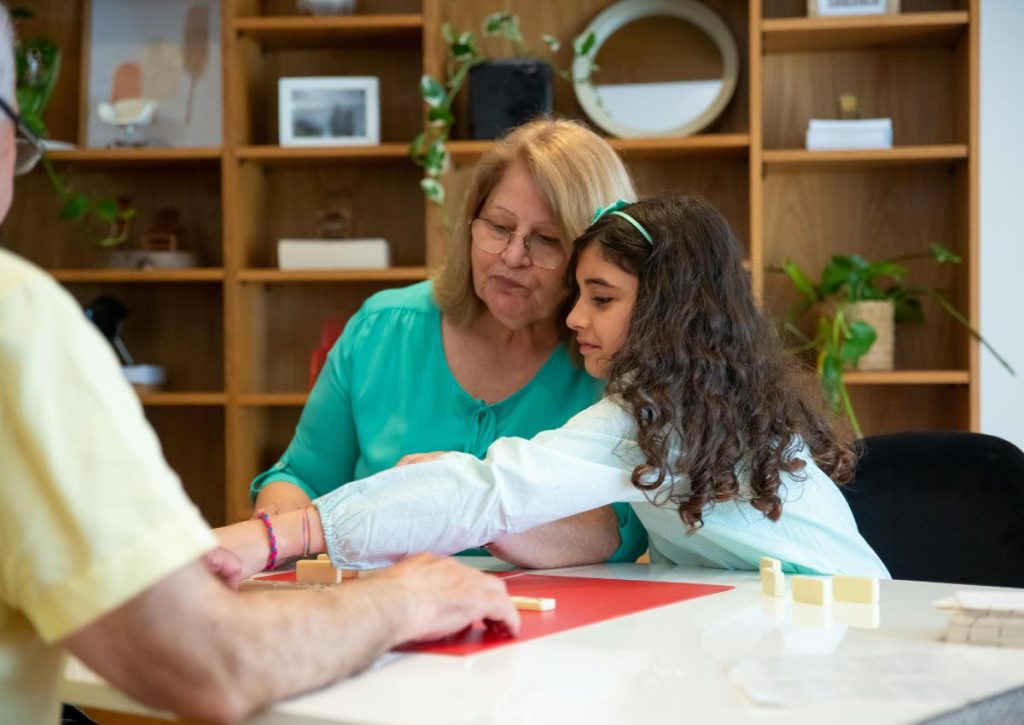
Offering advice without being asked can make grandchildren feel undermined or pressured. Instead, wait for them to request guidance, or gently offer options without forcing a solution. This empowers children to make decisions while knowing you are a supportive presence. It fosters independence, promotes self-confidence, and ensures your guidance strengthens the relationship instead of creating tension.
19. Oversharing Personal Problems

While honesty is important, too much personal stress can burden grandchildren. Share appropriately, focusing on lessons or relatable experiences rather than venting. Age-appropriate sharing teaches healthy communication and empathy while keeping conversations comfortable and positive. It models resilience without making children feel responsible for adult concerns, maintaining emotional balance in the relationship.
18. Expecting Constant Gratitude

Pressuring children to express thanks can feel forced or transactional. Appreciation is more meaningful when it arises naturally. Focus on enjoying time together, celebrating achievements, and expressing care without requiring verbal acknowledgment. This approach nurtures a loving environment where grandchildren feel valued for who they are, not just for performing polite gestures.
Quick Quiz
17. Dominating the Conversation

Grandparents can unintentionally monopolize discussions with stories or advice. Allowing children space to speak ensures a balanced dialogue. Encourage them to share opinions, experiences, or ideas without interruptions. Balanced conversations strengthen engagement, foster self-expression, and teach grandchildren that their voice is important, making interactions more collaborative and rewarding.
16. Ignoring Emotional Cues

Children often communicate feelings through tone, body language, or hesitation. Ignoring subtle cues can lead to misunderstandings. Observing and responding to these signals shows empathy and attentiveness. Acknowledging emotions fosters trust, teaches emotional literacy, and makes grandchildren feel genuinely heard, which strengthens your connection and encourages open communication.
15. Comparing Siblings or Friends
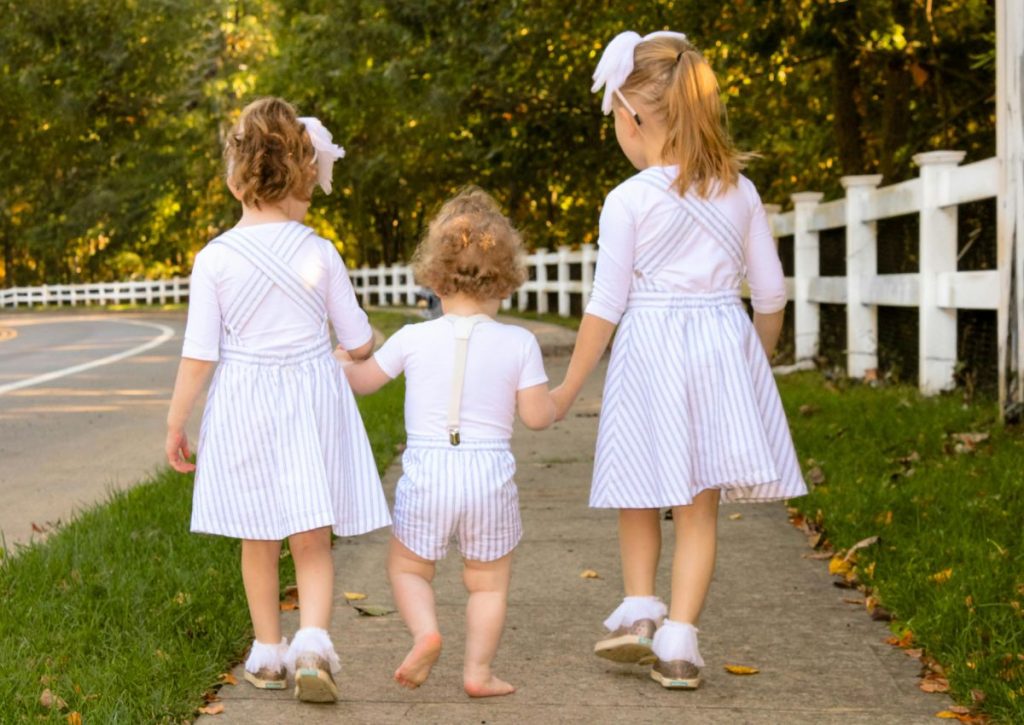
Comparisons can foster jealousy or insecurity. Avoid remarks like “Why can’t you be more like your cousin?” Focus on individual strengths and celebrate uniqueness. Encouraging personal growth and self-esteem helps children feel valued and understood. Positive reinforcement nurtures confidence and strengthens the bond between grandparent and grandchild without creating competition or resentment.
14. Forgetting to Celebrate Small Wins
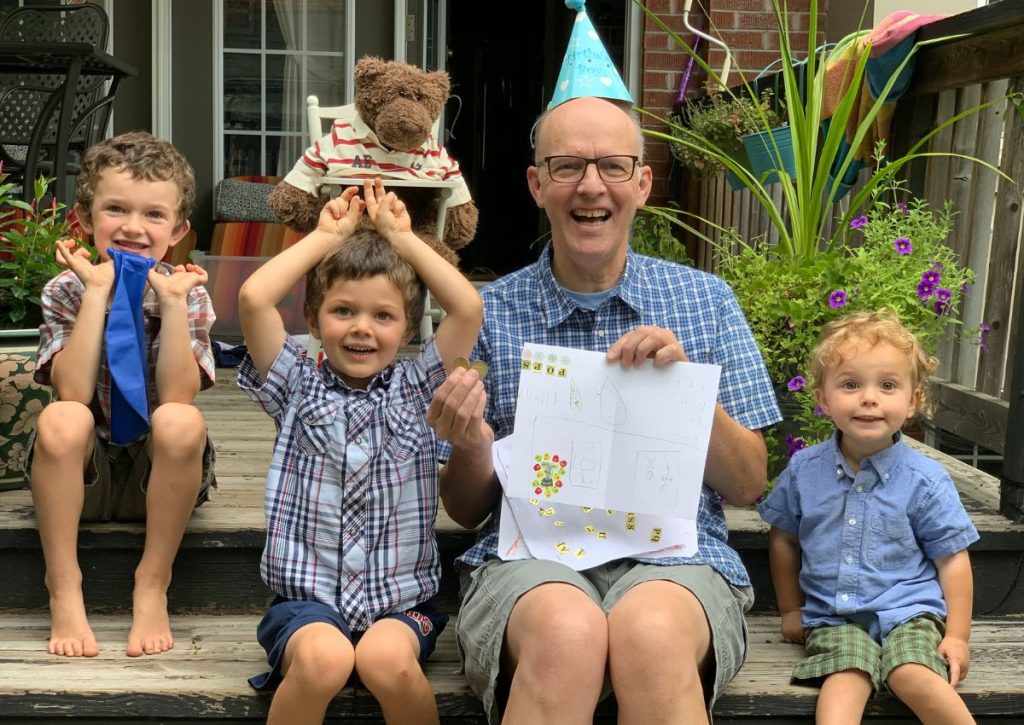
Focusing only on big milestones can make children feel unnoticed. Celebrating small achievements—finishing a project, learning a skill, or showing kindness—validates their efforts and boosts self-esteem. Recognizing incremental progress encourages motivation, strengthens trust, and demonstrates that you notice and care about their daily experiences.
13. Using Sarcasm or Humor Poorly

While playful teasing can be fun, sarcasm often confuses or hurts younger children. Humor should uplift, not diminish. Gentle, clear jokes encourage laughter without risk of embarrassment. Respectful humor enhances warmth, builds rapport, and makes grandchildren feel safe expressing themselves while enjoying shared joy.
12. Talking Over Their Heads

Using overly complex vocabulary, abstract concepts, or references beyond their experience can make grandchildren feel confused or excluded. Even if the goal is to educate, conversations should match their comprehension level. Breaking ideas into digestible parts, using examples they understand, and inviting questions fosters understanding. This ensures discussions are engaging, empowering, and inclusive, making grandchildren feel valued rather than overwhelmed or alienated.
11. Ignoring Boundaries

Failing to respect emotional or physical boundaries can make grandchildren uncomfortable or defensive. Even small invasions—pressuring for hugs, prying into personal issues, or insisting on constant attention—can erode trust. Respecting limits communicates empathy and teaches mutual respect. Giving children space while remaining supportive strengthens the relationship, showing that connection isn’t about control, but about care and understanding.
10. Overpraising Material Achievements

Focusing exclusively on grades, trophies, or possessions can unintentionally pressure grandchildren to perform for approval. Highlighting effort, perseverance, creativity, or acts of kindness reinforces intrinsic values. Celebrating non-material successes nurtures self-confidence, encourages curiosity, and teaches children that their worth extends beyond achievements. This approach fosters a healthy mindset where growth and character matter as much as results.
Quick Quiz
9. Failing to Admit Mistakes

Children are highly perceptive; when grandparents never acknowledge their own errors, it sets unrealistic standards. Admitting mistakes models humility, accountability, and resilience. Sharing lessons learned demonstrates that failure is natural and constructive. This encourages grandchildren to own up to their own missteps without fear, fostering self-compassion, critical thinking, and a sense of shared humanity that strengthens trust and emotional bonds.
8. Not Asking for Opinions

Ignoring a child’s thoughts communicates that their perspective is irrelevant. Asking for their ideas, preferences, and solutions—on everyday matters or important decisions—builds confidence and agency. Encouraging them to express opinions fosters independent thinking, problem-solving, and emotional literacy. This inclusive approach transforms conversations into collaborative exchanges, validating grandchildren as active participants rather than passive listeners.
7. Overreacting to Conflicts

Reacting with anger, panic, or disproportionate emotion can intimidate grandchildren, making them avoid sharing or expressing themselves honestly. Handling disagreements calmly, acknowledging feelings, and discussing solutions demonstrates emotional maturity. Modeling measured responses teaches children how to navigate conflict respectfully. It builds trust, reduces fear, and ensures that disagreements become opportunities for learning rather than sources of resentment.
6. Assuming You Know Best

Assuming your perspective is always correct can alienate grandchildren and stifle dialogue. Children benefit when adults approach discussions with curiosity, patience, and openness. By listening actively, asking questions, and considering their experiences, grandparents model respect and lifelong learning. This encourages critical thinking, mutual understanding, and collaborative problem-solving, allowing children to feel heard, valued, and empowered rather than dismissed.
5. Being Distracted

Checking phones, watching TV, or multitasking during interactions sends a subtle message of disinterest. Children notice when attention is divided, which can make them feel undervalued. Offering undivided focus—making eye contact, actively listening, and responding thoughtfully—shows that their thoughts and feelings matter. Fully engaged presence strengthens emotional bonds, promotes trust, and encourages open, meaningful conversation.
4. Using Threats or Bribes

Manipulating behavior with fear, guilt, or rewards can undermine trust and intrinsic motivation. While it may produce short-term compliance, it teaches children to act for external pressure rather than understanding or curiosity. Offering guidance through encouragement, reasoning, and support fosters independence, empathy, and respect. Children learn to make decisions based on understanding consequences and values, creating a stronger, more authentic bond with grandparents.
3. Overprotecting

Excessive shielding from challenges, mistakes, or discomfort can hinder growth and independence. While safety is important, giving children opportunities to navigate manageable risks builds confidence and resilience. Supporting rather than controlling allows them to explore, learn, and develop problem-solving skills. Balanced protection demonstrates care without smothering, teaching grandchildren that guidance comes with trust in their abilities.
2. Ignoring Their Achievements

Failing to notice or acknowledge accomplishments—no matter how small—can leave grandchildren feeling invisible. Celebrating successes, milestones, and efforts reinforces self-worth and motivation. Recognition doesn’t have to be grandiose; even simple verbal praise or shared joy creates positive reinforcement. Acknowledging achievements strengthens confidence, encourages perseverance, and communicates that grandparents genuinely notice and care about their grandchildren’s growth.
1. Taking Conversations Personally

Reacting defensively or emotionally to disagreements or critiques can make grandchildren hesitant to express themselves. Children may interpret natural differences of opinion as rejection or disapproval. Maintaining calm, separating issues from personal feelings, and responding with curiosity teaches healthy communication. This approach encourages honesty, builds trust, and creates a safe environment where grandchildren feel free to express thoughts, emotions, and concerns without fear.
