





Being a grandparent is a role filled with joy, pride, and second chances. But even the most loving gestures can miss the mark if they unintentionally make children feel pressured, judged, or misunderstood. The good news is that small shifts in approach can transform these moments into lasting bonds. Here’s a guide to spotting those subtle missteps—and turning them into deeper trust, laughter, and love.
1. Judging Before Understanding

Quick opinions on their style, friends, or hobbies can feel like criticism, even if you mean well. Instead of reacting, ask them why it matters to them. This shows respect for their individuality and sparks richer conversation. You may uncover thoughtful reasons behind their choices—and in doing so, you become someone they feel safe confiding in, knowing your first instinct is to understand, not to judge.
2. Offering Advice Without Invitation

Your wisdom is valuable, but if every chat becomes a mini-lecture, grandchildren can tune out. Listen fully before speaking. Ask if they’d like your perspective, then share in small, thoughtful pieces. Advice given at the right time, in a respectful tone, becomes something they’ll remember—not as pressure, but as guidance from someone who believes in their ability to figure things out.
3. Overlooking Their Passions

You may not “get” their favorite video game, band, or sport, but dismissing it tells them their interests aren’t important. Ask them to explain what excites them about it or even show you how it works. The goal isn’t to become a fan, but to demonstrate curiosity. Your willingness to engage with their world says, “I value what matters to you,” which can mean more than liking the thing itself.
4. Comparing Them to Someone Else

Whether it’s a sibling, cousin, or your younger self, comparisons can sting. Children thrive when they’re celebrated for their personal growth, not measured against another person’s achievements. Swap “When I was your age…” for “I’m proud of how you handled that.” This turns the focus from competition to encouragement, helping them see themselves as unique, capable, and valued just as they are.
5. Making Every Conversation About the Past

Stories from your youth are treasures, but if every chat starts with “Back in my day,” kids may feel disconnected. Share those memories alongside genuine interest in their daily lives. Ask questions about school, friends, or challenges. By balancing past and present, you create a bridge between your experiences and theirs, making conversations richer and relationships more relatable.
6. Rejecting Their Digital World

You may wish they spent less time on screens, but ignoring or criticizing their digital life can push them away. Ask them to share a favorite app, video, or game and let them guide you through it. Even occasional participation shows you’re willing to meet them halfway. This openness turns “technology” from a wedge into a bridge for shared laughter and learning.
7. Criticizing Their Parents in Front of Them

Children are deeply loyal to their parents, and negative remarks can make them feel caught in the middle. Keep any disagreements private, and speak respectfully about their parents’ decisions when children are present. This not only avoids discomfort but also reinforces family unity, showing them that love and respect can exist even when adults don’t see eye to eye.
8. Hovering Over Every Move
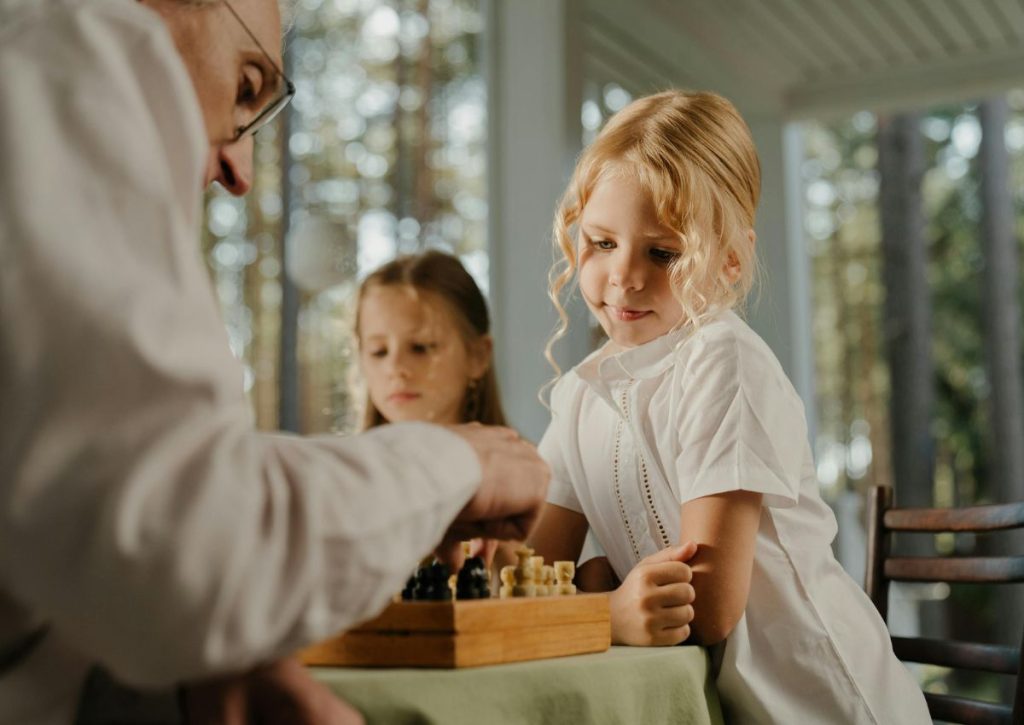
Wanting to help is natural, but too much supervision can feel suffocating. Allow them to take small risks, make decisions, and even fail. Your trust in their ability to handle things signals that you see them as capable. That confidence empowers them to be more independent—and makes your presence something they look forward to, not something they feel monitored by.
9. Replacing Presence With Presents

Gifts are a lovely way to show affection, but if they overshadow time spent together, they risk becoming a stand-in for emotional connection. Focus on shared activities—baking, storytelling, or crafting. These moments become cherished memories that last long after the wrapping paper is gone, teaching them that love is best shown in time and attention, not just things.
10. Taking Sides in Arguments

Stepping in to choose a “winner” in sibling or friend disputes can alienate someone. Instead, listen to both sides, acknowledge feelings, and help them think through solutions. Remaining neutral teaches them that you’re a safe space where they can be heard without fear of judgment—and that your affection isn’t dependent on who’s “right.”
11. Talking Without Listening

Sometimes grandparents get so caught up in sharing that they forget to truly listen. Active listening means eye contact, follow-up questions, and reflecting back what they’ve said. This makes them feel heard and valued, and it ensures your advice—when given—is informed by what they actually need, not what you assume they need.
12. Expecting Them to Follow Your Path

You may hope they’ll share your passions, career goals, or values, but each generation faces a different world. Supporting their unique path shows trust in their judgment and adaptability. Instead of trying to shape them into a mirror of yourself, celebrate the qualities that make them different. This freedom allows them to form their own identity while keeping you close.
13. Over-Scheduling Visits

Trying to fill every moment with activities can create unnecessary stress. Often, it’s the unplanned moments—making pancakes, chatting on the porch—that become the most cherished. By keeping visits flexible, you allow for spontaneity, laughter, and deeper conversations that wouldn’t happen in a tightly packed schedule.
14. Missing Emotional Cues

Focusing on achievements while overlooking struggles can make kids feel unseen. When they seem quiet, worried, or withdrawn, ask gentle questions and listen without rushing to fix it. Sometimes, they just need to feel understood. Your empathy reassures them that your love isn’t tied to success—it’s there through every emotion and challenge.
15. Letting Traditions Fade

Small, predictable rituals—like Friday night calls or holiday baking—become emotional touchstones. They signal stability in a changing world. Keep them alive, even in simple ways, so your relationship is anchored in shared traditions that they can count on, no matter how much else shifts around them.
16. Turning Every Interaction Into a Lesson

It’s tempting to turn playtime into “teaching moments,” but too much instruction can feel exhausting. Let some visits be just for fun. Whether you’re laughing over a silly game or sharing a snack, joy itself is a powerful teacher. Children often learn the most when they feel safe, relaxed, and loved—without the weight of constant correction or moral lessons hanging over them.
17. Overstepping Personal Boundaries

Curiosity is natural, but reading their texts, checking social media without permission, or pressing into private matters can erode trust. Give them space to share what they’re comfortable with, and respect what they keep private. This balance shows that you value both closeness and independence, which deepens mutual respect over time.
18. Running Visits on Your Agenda Only

It’s easy to default to the activities you enjoy, but forcing your preferences can cause quiet frustration. Instead, ask, “What would you like to do today?” Letting them help shape the day not only gives them ownership but also increases enthusiasm—turning visits into something they truly look forward to.
19. Forgetting Important Dates

Missing a birthday, game, or recital may seem small, but to a child, it can feel huge. Mark milestones on your calendar, and show up when you can—physically or virtually. Celebrating their moments tells them, “Your life matters to me.” Even a quick call on the day can leave a lasting impression of care and attentiveness.
20. Saying “No” to New Experiences

Turning down their invitations to try a new food, activity, or hobby can create distance. Saying “yes” shows openness and a willingness to grow alongside them. Even if it’s outside your comfort zone, your effort becomes a story you both remember—proof that connection sometimes means stepping into unfamiliar territory together.
21. Making Remarks About Appearance

Even lighthearted comments about hair, body, or clothing can stick for years. Instead, focus on qualities they can control—creativity, kindness, effort. Compliments about character reinforce that their value isn’t tied to looks, giving them a foundation of confidence that isn’t easily shaken by outside opinions.
22. Overriding Parental Rules

Breaking bedtime limits or bending screen-time rules might feel like harmless spoiling, but it can cause tension with parents and confusion for the child. Align with the parents’ guidelines so your grandchild sees consistency and respect across generations—a stability that strengthens the family as a whole.
23. Forgetting to Inject Fun

Grandchildren don’t just need guidance—they need joy with you. Share jokes, play games, or do something unexpected and silly. Laughter builds trust, lowers stress, and turns ordinary days into memories. The sound of shared giggles can be one of the most enduring parts of your relationship.
24. Overlooking Small Wins

Children bloom when small efforts are noticed. Whether they’ve learned a new skill, helped a friend, or faced a fear, celebrate it. Recognition teaches them that growth matters as much as achievement. Your encouragement becomes fuel for their self-esteem, reminding them you see and value their progress.
25. Saying Yes to Everything Until You’re Drained

Overcommitting to every request or event may lead to exhaustion, making your time together less enjoyable. Set healthy limits so you can be fully present when you are together. Children remember the quality of your attention far more than the number of times you showed up tired or distracted.
26. Treating Emotional Support as Optional

Beyond activities and gifts, your role as an emotional anchor is vital. Check in on their feelings and listen without rushing to give solutions. Sometimes, being a steady, patient listener does more for their growth than any advice could. Your calm presence reassures them they are never alone.
27. Saving Attention for Special Occasions

If the only time you connect is during holidays or birthdays, your bond may weaken between visits. A short text, postcard, or casual call can mean as much as a big celebration. These “ordinary” touches create a sense of ongoing connection that children quietly count on.
28. Holding on Too Tightly to the Old Ways

Family traditions are important, but clinging to old routines without adapting to new circumstances can create friction. Stay open to evolving schedules, changing interests, and modern parenting styles. Flexibility signals that your love is adaptable and present, no matter how life shifts.
29. Skipping the Role of Safe Haven

Grandparents can be a refuge where children feel safe expressing emotions they hide elsewhere. Being that safe space means listening without judgment and loving without condition. When they know they can bring you their fears and dreams, your relationship becomes a cornerstone of their emotional security.
30. Valuing Big Milestones Over Everyday Magic

Yes, graduations and birthdays are important—but so are quiet afternoons drawing together or sharing hot chocolate. These simple moments often carry more emotional weight than the grand events. Treasure the everyday magic; it’s the foundation of the bond they’ll carry into adulthood.
31. Expecting Yourself to Be Perfect

The pressure to be the wise, fun, endlessly patient grandparent can be exhausting. Embrace imperfection—admit mistakes, laugh at yourself, and show grace in challenges. Doing so teaches children resilience, humility, and the understanding that love doesn’t require perfection—it thrives in authenticity.
