



Your cart is currently empty!
By
John Abraham

John Abraham
Hi, I’m John. At Mellowpine, I write about relationships, family connections, and ways to build stronger bonds in everyday life. I love sharing practical tips and thoughtful insights to help couples, parents, and grandparents bring more joy into their relationships. If you’d like to connect, feel free to reach me at mail@mellowpine.com.
| UPDATED

Growing up as part of Gen-X meant getting resourceful and solving problems with whatever you had on hand. Safety gear was minimal, adult supervision was optional, and creative thinking was prized over official instructions. Many of the clever workarounds we used to fix things or make life easier would never pass modern safety codes. While they were a badge of independence back then, these solutions would shock today’s inspectors. They remind us how much the world has changed and why certain rules now exist.
1. Using Duct Tape to Fix Everything
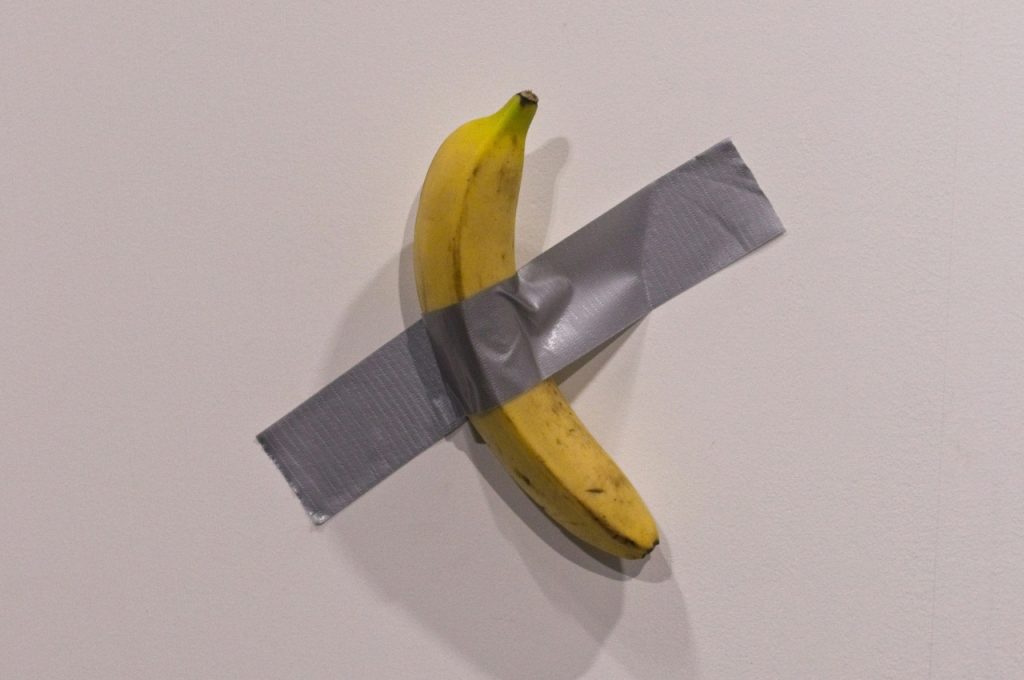
Gen-X kids saw duct tape as a miracle repair tool. We patched torn shoes, sealed broken toys, and even secured loose car parts with it. While duct tape is versatile, these quick fixes often ignored structural integrity or long-term safety. A taped-up bike handle or cracked chair could give way without warning. Modern safety inspectors would insist on proper repairs or replacements instead. Still, duct tape remains an enduring symbol of ingenuity, even if its role as a permanent fix has largely been retired in favor of safer methods.
2. Riding in the Back of Pickup Trucks

For Gen-X kids, a ride in the back of a pickup truck was pure adventure. No seat belts, no helmets, just the wind in your face. While it seemed harmless at the time, these rides exposed passengers to serious risks in sudden stops or accidents. Today, most states have strict laws banning passengers from unsecured truck beds. Safety inspectors would view this as a dangerous choice, but back then, it was a common way to get to the park, beach, or just around town.
3. Drinking from Garden Hoses

On hot summer days, drinking from a garden hose was the ultimate thirst quencher. We never considered the possibility of bacteria, lead, or chemicals leaching from the hose material. Modern inspectors would point out that many hoses are not rated for potable water and can harbor harmful substances. Back then, it was simply a refreshing and convenient fix for a dry mouth after hours of play. Today, filtered and certified drinking water sources are the safer alternative, though the memory of hose water remains vivid.
4. Fixing Shoes with Cardboard Inserts

When sneakers wore thin, sliding a piece of cardboard into the sole was a quick fix to extend their life. This trick helped avoid an immediate trip to the store, but it offered no real cushioning or support. Over time, it could even lead to foot pain or injury. A safety inspector today would advise replacing worn shoes immediately, especially for growing kids. Still, for many Gen-X families, this was an affordable, practical solution when budgets were tight and comfort was negotiable.
5. Riding Bikes Without Helmets

For Gen-X kids, the freedom of riding a bike was rarely paired with protective gear. Helmets were uncommon, and we often relied on skill and luck to avoid injury. Falls and scrapes were seen as part of growing up. Today, helmet laws and public safety campaigns emphasize the importance of head protection, especially for children. Inspectors would be alarmed at the lack of safety precautions, but in the 70s and 80s, an unprotected bike ride was a daily ritual that symbolized independence and adventure.
6. Using Butter on Burns

If you burned yourself in the kitchen, a dab of butter was the go-to remedy in many Gen-X households. While it offered a cooling sensation, medical experts now warn that butter can trap heat and promote bacterial growth. Safety inspectors and healthcare professionals recommend cool running water as the proper first aid. Despite being outdated, the butter fix persisted because it was what parents and grandparents swore by. It’s a clear example of how traditional wisdom sometimes collides with modern health and safety knowledge.
7. Jumping Off Sheds or Garages

A bored afternoon could quickly turn into an impromptu stunt show, with kids jumping off sheds, garages, or tree branches. The thrill outweighed any consideration for the potential injuries from hard landings. Safety inspectors today would strongly discourage such activities, citing the risk of broken bones and concussions. Back then, we judged success by how far we could jump or how cool it looked. It was a self-made entertainment option that would never pass today’s supervised, liability-conscious standards.
8. Sharing a Single Seat Belt Among Several Kids
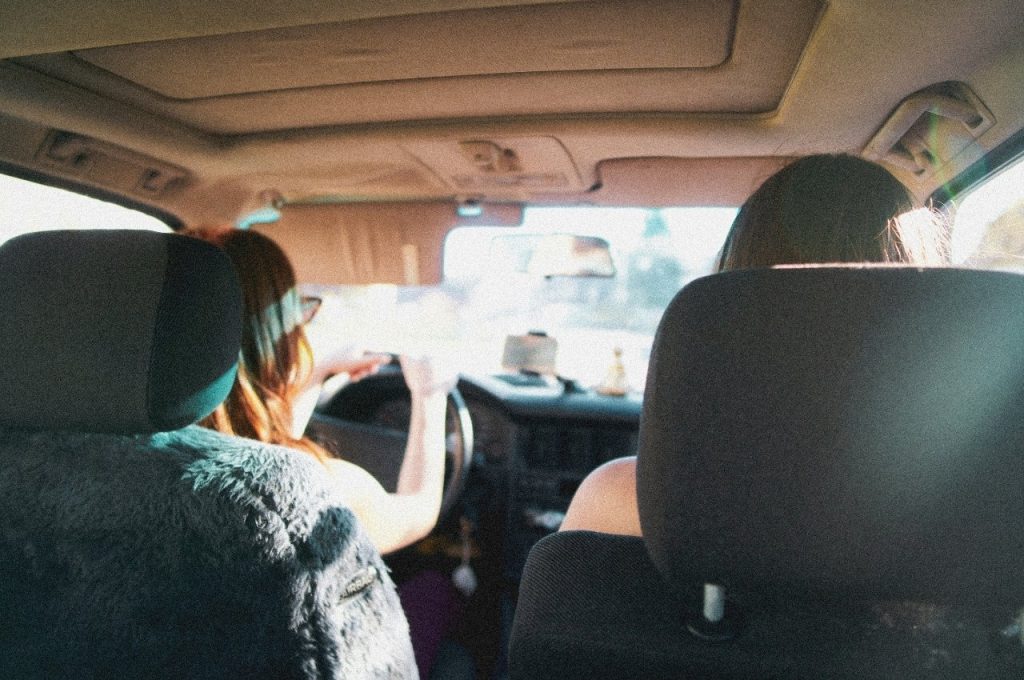
In older family cars, piling into one seat and sharing a single lap belt was considered efficient. Safety standards for child restraints were not widely enforced, and seat belt use was often optional. Modern inspectors would be horrified, given the proven life-saving benefits of proper seat belt use. Today’s regulations require age-appropriate car seats or boosters for children, but for Gen-X kids, car rides often meant squeezing in wherever there was space, regardless of safety.
9. Swimming in Quarries or Unsupervised Lakes

Swimming in a quarry or lake without lifeguards was a summer tradition for many Gen-X kids. We rarely considered underwater hazards, currents, or water quality. Modern safety inspectors would point out the serious risks, from hidden debris to sudden drop-offs. Today, most parents opt for supervised pools or beaches, but the allure of a secluded swimming hole was strong back then. It represented freedom, adventure, and a willingness to take risks that would be considered reckless today.
10. Roller Skating Without Pads

Whether on sidewalks or in driveways, roller skating was a favorite pastime that rarely involved safety gear. The only things involved are you, your skates, and the open pavement; no knee pads, wrist guards, or helmets. Falls were common, and scraped knees were almost a badge of honor. Safety inspectors now stress protective equipment to prevent fractures and head injuries. While the freedom felt exhilarating at the time, it also carried a level of risk that today’s safety standards aim to eliminate through proper gear and supervision.
11. Climbing Trees Without Supervision

Tree climbing was a rite of passage for many Gen-X kids, often done without adult oversight or safety equipment. The goal was to get as high as possible, sometimes jumping between branches. Today’s safety inspectors would stress fall prevention and proper supervision, especially for children. While the activity built confidence and strength, it also carried risks of broken bones or worse. Back then, a few scrapes were just part of the adventure, and parents often trusted kids to learn their limits through trial and error.
12. Using Newspapers as Window Insulation

On cold winter nights, taping newspapers over drafty windows was a quick, budget-friendly fix for Gen-X households. While it did reduce some airflow, it was also a fire hazard and offered minimal real insulation. Safety inspectors today would recommend proper weather stripping, caulking, or double-paned glass. This was more about resourcefulness than safety, but in modern times, using combustible materials near heat sources would be flagged immediately. The newspaper trick reflects a time when convenience and thrift often outweighed official safety standards or building codes.
13. Starting Campfires Without Fire Rings

When Gen-X kids wanted a campfire, they often just cleared a small patch of dirt and lit it up. Rocks or fire rings were optional, and fire safety rules were loosely followed. Today’s safety inspectors and fire marshals would be alarmed at the lack of containment and distance from flammable materials. The risk of wildfires or burns was high, but at the time, a campfire was more about fun and less about rules. Now, designated fire pits and permits are common requirements for open flames.
14. Hanging Out in Unfinished Basements

Unfinished basements were popular hangout spots, complete with exposed wiring, concrete floors, and sometimes questionable ventilation. For Gen-X kids, it was just extra space for games or band practice. Safety inspectors would have concerns about electrical hazards, mold, or structural issues. The absence of finished walls or flooring also meant more opportunities for injury. While these basements held a certain rugged charm, modern building codes prioritize safe, finished living areas. Back then, comfort and creativity often mattered more than meeting inspection standards for residential spaces.
15. Making Go-Karts from Scrap Wood
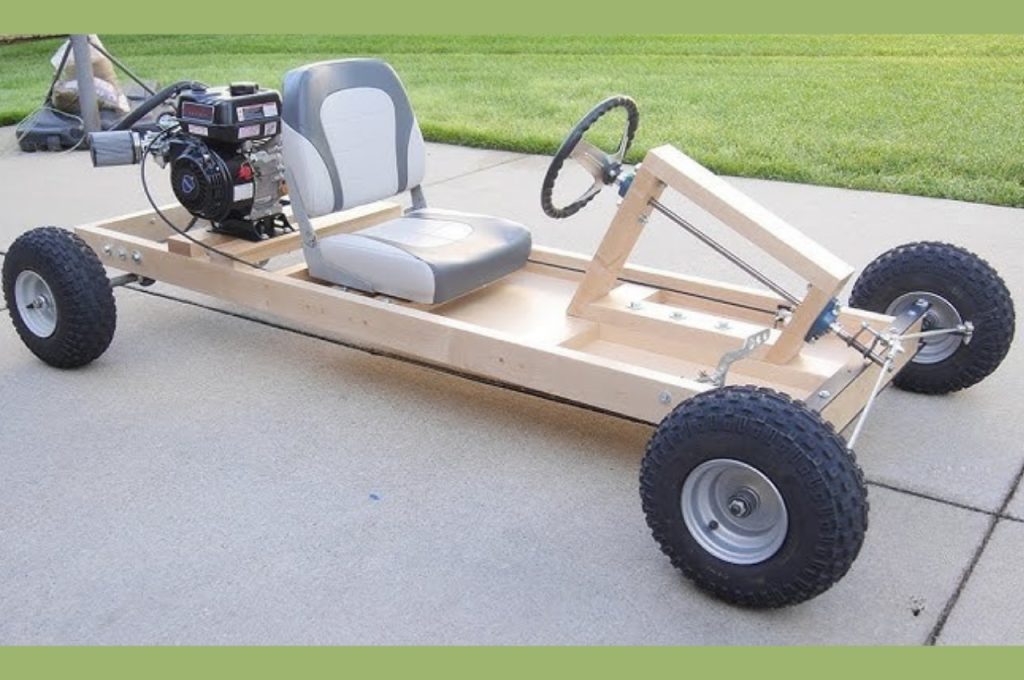
Homemade go-karts, built from old lumber, baby carriage wheels, and rope steering, were a staple of Gen-X ingenuity. The excitement was in the ride, not in the brakes, helmets, or stability considerations. Today’s safety inspectors would note the absence of protective gear, reliable materials, and controlled courses. These carts were often tested on steep driveways or streets, increasing the chance of accidents. While unsafe by modern standards, they represent a time when building and testing something yourself was part of growing up and learning through experience.
16. Playing in Construction Sites

Exploring half-built houses or commercial sites was a common pastime for adventurous Gen-X kids. It felt like discovering a secret playground filled with ladders, tools, and open framing. Today, this would be a serious trespassing and safety concern. Inspectors would highlight risks like unstable structures, sharp materials, or hazardous chemicals. Back then, the thrill of exploration often outweighed thoughts of danger. It is one of those childhood adventures that has largely disappeared due to stricter site security and heightened awareness of liability issues.
17. Using a Car’s Cigarette Lighter for Fun
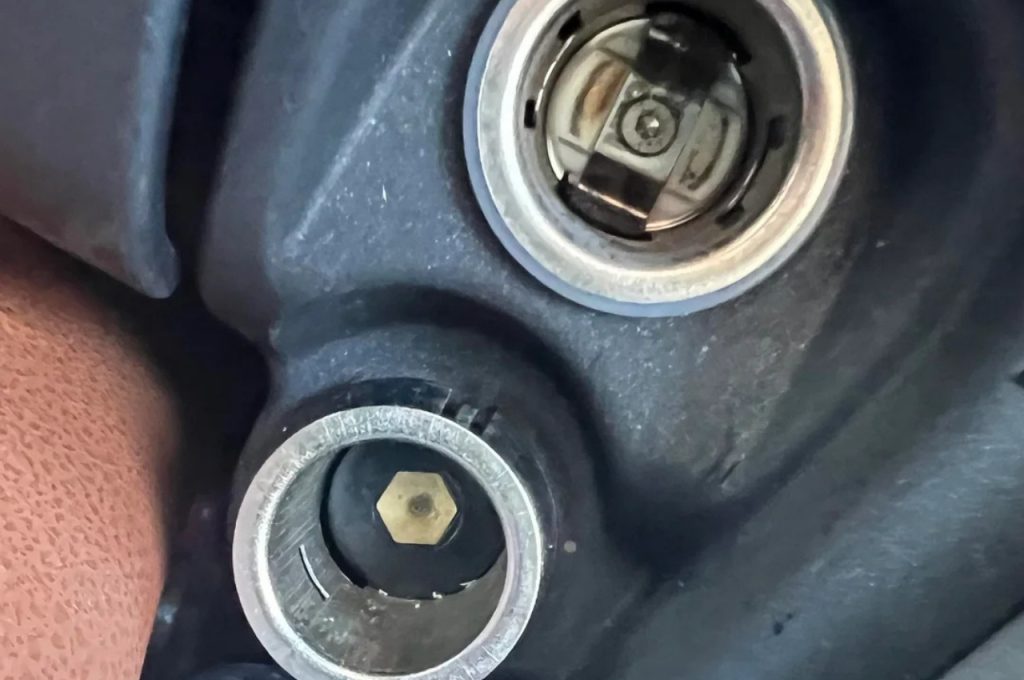
Many Gen-X cars came with built-in cigarette lighters, and curious kids sometimes pressed them just to watch them heat up. Occasionally, they were even used to brand wood or melt plastic. Safety inspectors would have strong warnings about burns, fire hazards, and improper use of vehicle components. Back then, parents often just told kids not to touch it and left it at that. While it was a small source of fascination, it carried real dangers that modern vehicle designs now largely eliminate.
18. Riding Double on One Bike

Whether perched on handlebars or standing on pegs, riding two to a bike was an accepted way to get around in Gen-X neighborhoods. Safety gear was usually nonexistent, and balance was a constant challenge. Modern inspectors would call out the risk of falls, collisions, and lack of visibility. Today’s biking safety laws require proper seating and restraints for passengers, but back then, the focus was on fun and efficiency. It was a convenient, if precarious, form of transportation that now raises eyebrows among safety professionals.
19. Sledding on Homemade Tracks

In winter, Gen-X kids often built sled runs out of packed snow and ice, sometimes incorporating steep drops or ramps. There were no helmets or barriers, and the goal was maximum speed. Safety inspectors today would stress controlled environments, clear paths, and protective equipment to prevent collisions or head injuries. These homemade tracks were exciting but unpredictable, with obstacles that could cause sudden accidents. Despite the risks, they were a source of neighborhood fun and friendly competition during snowy days.
20. Skipping Safety Guards on Power Tools
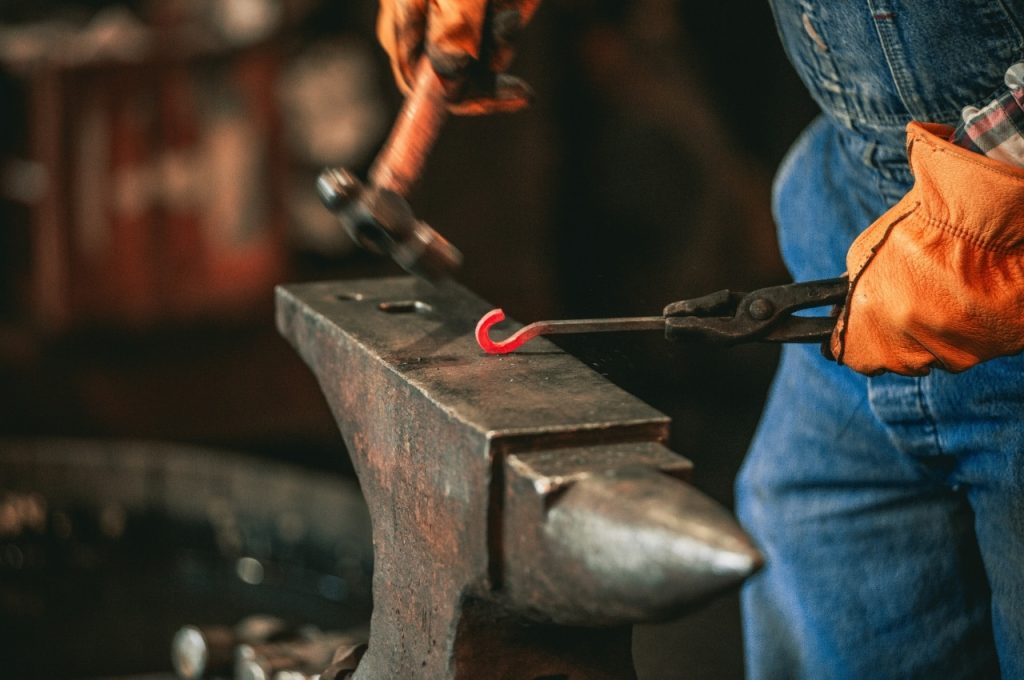
Many Gen-X households had power tools in the garage, and safety guards were sometimes removed for “better performance” or easier access. Kids helping with projects often used these tools with little training. Safety inspectors today would insist on proper guards, protective gear, and adult supervision at all times. While this shortcut saved time, it greatly increased the risk of injury. It is a habit that reflects a different era’s attitude toward risk, one that modern safety regulations aim to correct.
21. Sitting on Car Windows While Moving
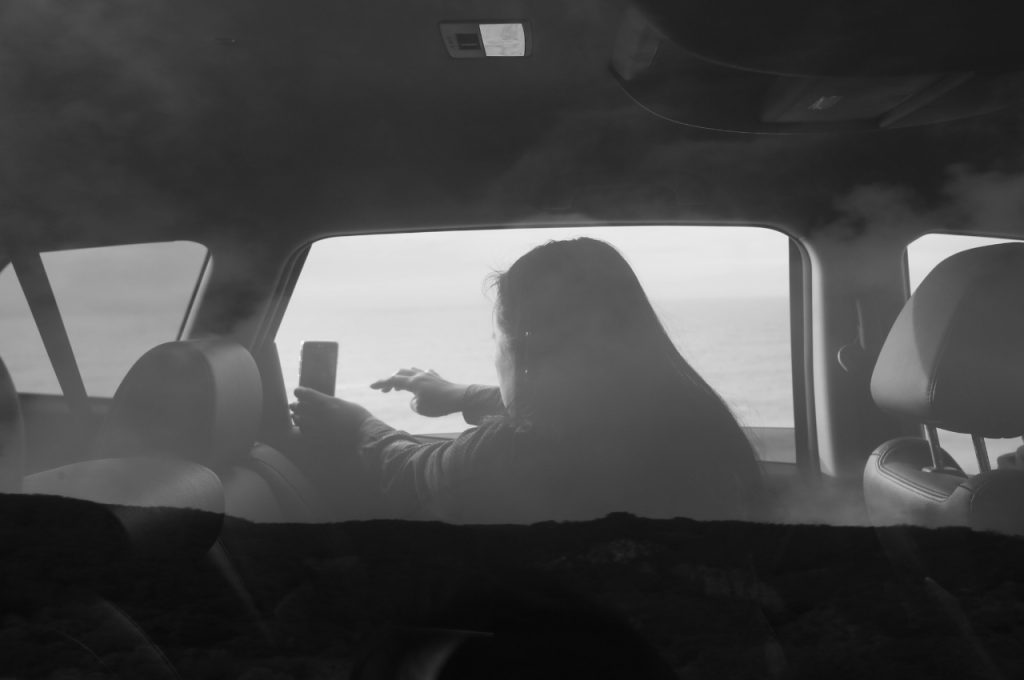
It was not unusual to see kids half-sitting or standing out of car windows during slow drives in the neighborhood. This was considered fun, especially during parades or small-town events. Modern safety inspectors would call this a major hazard due to the risk of falls and sudden stops. Today’s vehicle laws strictly prohibit such behavior, but back then, it was just another way to make a ride more exciting. The relaxed approach to car safety has been replaced with strict restraint requirements.
22. Using Mismatched Electrical Cords

Gen-X homes sometimes featured creative electrical setups, including multiple extension cords strung together or using mismatched plugs and outlets. This was a quick fix for reaching distant lamps, stereos, or holiday lights. Safety inspectors today would flag these as fire and electrocution hazards. Proper-rated cords and outlets are now required for safe electrical use. While risky, this improvisation often came from a desire to make things work without spending extra money on the correct equipment. It is one fix that has not aged well under modern codes.
23. Sliding Down Staircases on Cardboard
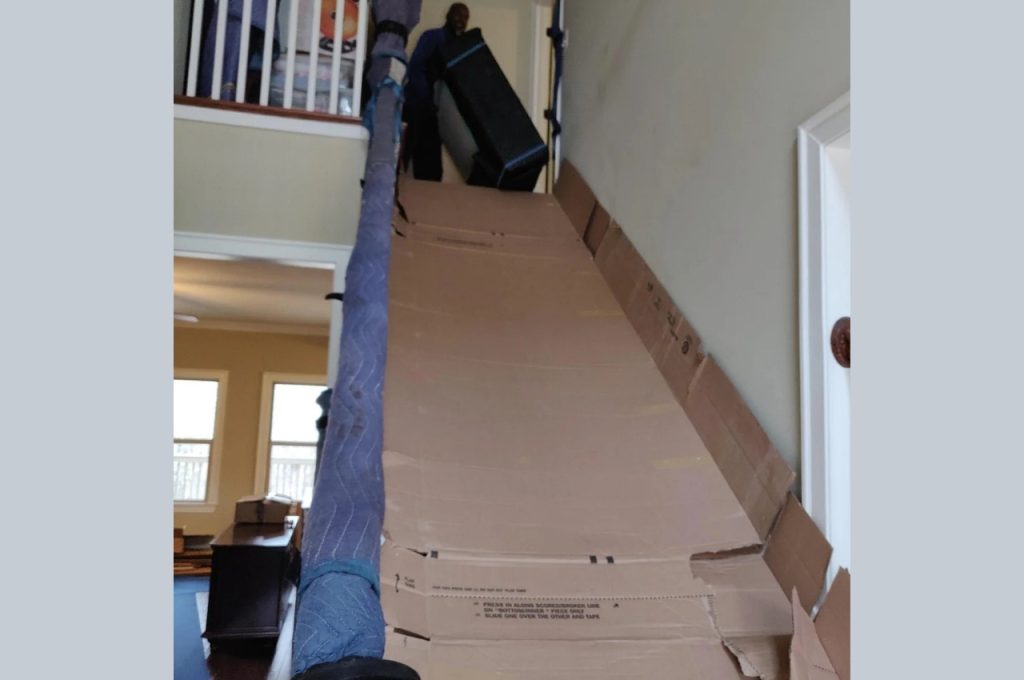
Cardboard sledding down indoor stairs was a rainy-day pastime that provided endless laughs and occasional bruises. The only safety measure was hoping no one walked in front of the “track.” Inspectors today would cite the risks of falls, head injuries, and damage to the home. Back then, the potential for harm was ignored in favor of fun. It is an activity that would make most modern parents cringe, but it was a highlight of indoor play for many Gen-X kids.
24. Playing with Lawn Darts

Lawn darts, with their heavy metal tips, were a popular outdoor game despite the obvious dangers. A missed throw could cause serious injury. Safety inspectors today would ban such equipment outright, and in fact, they have been outlawed in many countries. Back then, they were marketed as harmless family fun. The game reflects an era when product safety testing and regulation were far less strict, and parental caution was the primary safeguard against dangerous recreational activities.
25. Skitching Behind Vehicles in Winter
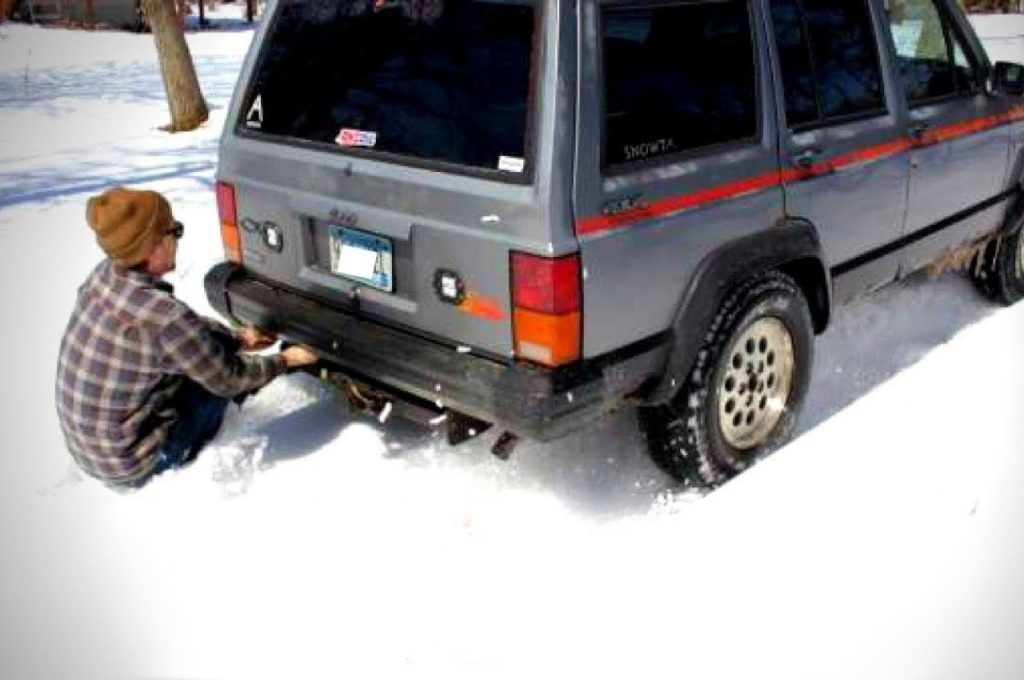
On snowy streets, grabbing onto the bumper of a slow-moving car to “skitch” along the ice was a thrilling winter trick. Safety inspectors would view this as highly dangerous, with risks including being run over, falling, or hitting obstacles. This unsanctioned sport had no protective gear and relied entirely on driver cooperation. While undeniably fun for those who tried it, it is a prime example of Gen-X risk-taking that is almost entirely absent from today’s more safety-conscious neighborhoods.
26. Using BB Guns Without Eye Protection

BB guns were common in Gen-X backyards, often used for target practice or makeshift games. Eye protection was rarely considered necessary. Modern safety inspectors would mandate safety goggles and controlled environments for any projectile-firing activity. Accidents were not uncommon, and even minor injuries could have been prevented with proper gear. Still, these backyard shooting sessions were seen as harmless fun and a way to develop aim, though they carried risks that are now widely understood and mitigated.
27. Playing in Empty Refrigerators
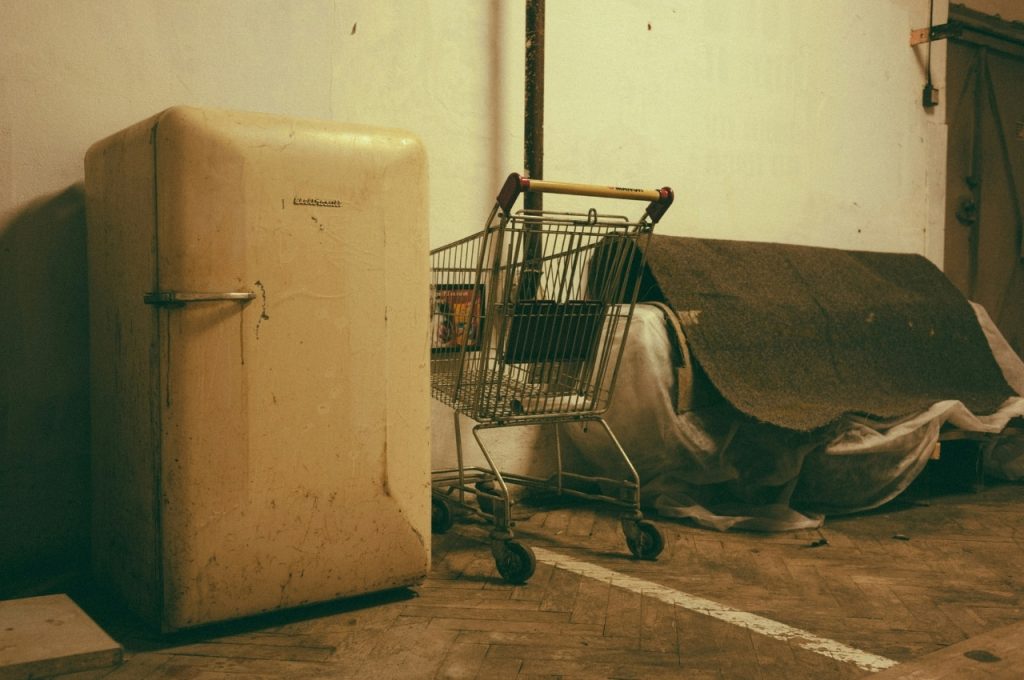
Old refrigerators, often left in yards or garages, became makeshift playhouses for Gen-X kids. Few realized the suffocation hazard from sealed doors. Modern safety inspectors would require removal of doors before disposal. Back then, these were seen as harmless hiding spots for games of tag or hide-and-seek. This dangerous play led to important safety regulations, making it one of the more serious examples of why certain childhood activities are no longer acceptable.
28. Ignoring Expired Fireworks

Leftover fireworks from the Fourth of July often found their way into backyard experiments months later. Gen-X kids sometimes dismantled them or set them off unsafely. Safety inspectors today would stress proper storage, disposal, and supervised use. Back then, fireworks were just another toy in the arsenal of summer entertainment. The risks of burns or fires were real, but the thrill outweighed caution for many young experimenters.
29. Handling Mercury from Broken Thermometers

When thermometers broke, some Gen-X kids played with the shiny mercury, rolling it around in their hands. Safety inspectors now know mercury exposure can cause serious health problems and recommend immediate cleanup with protective measures. At the time, its fascinating appearance overshadowed any concern for toxicity. This is one childhood curiosity that has been eliminated by modern safety standards and changes in manufacturing materials.
30. Using Soda to Loosen Rusty Bolts

A can of cola was sometimes used to dissolve rust and free stuck bolts. While the acidity in soda can work, the method was messy and unreliable. Tools or chemicals designed for the job were often ignored in favor of whatever was handy in the kitchen. Safety experts today would recommend proper rust removers and protective gear. This do-it-yourself hack reflected the Gen-X spirit of improvisation, but it would not pass modern safety or maintenance guidelines.
31. Balancing on Chairs to Change Light Bulbs
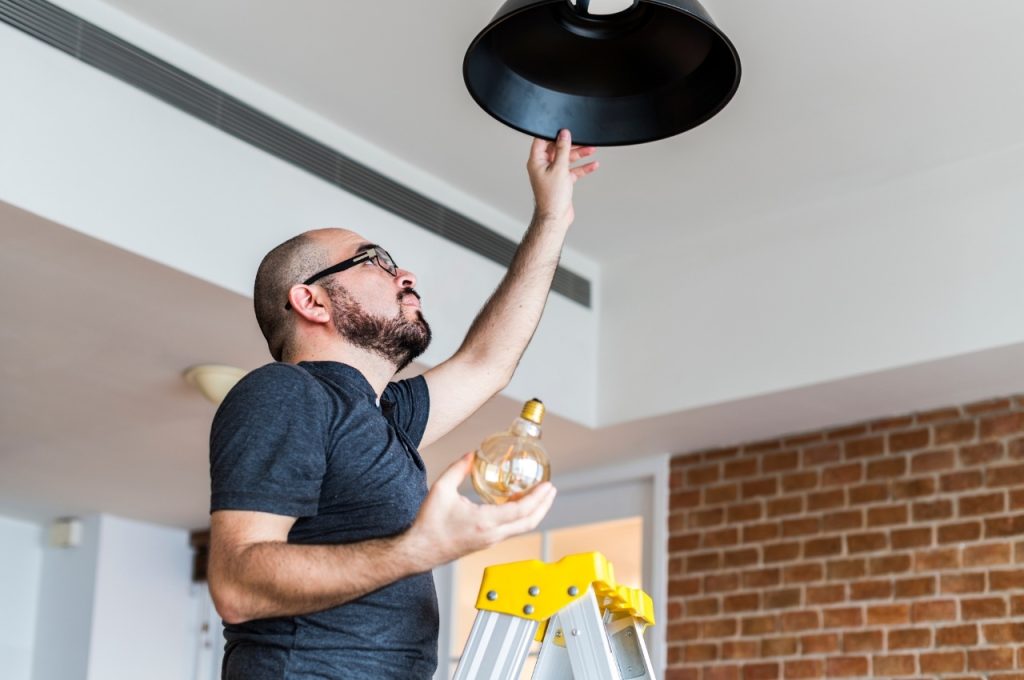
Instead of using a step stool, many people would grab the nearest dining chair to change a light bulb. Chairs were often wobbly, uneven, and not designed for climbing, making falls a real risk. Back then, it was seen as a time-saving choice, but modern inspectors would insist on using a sturdy ladder or platform. This small but risky shortcut is a reminder that convenience sometimes came before caution in the Gen-X household.
32. Placing Carpets Over Broken Floorboards

Instead of repairing loose or damaged floorboards, some families simply covered them with a rug or carpet to hide the problem. While it looked better temporarily, the weak spot underneath remained a tripping hazard, especially for visitors unfamiliar with it. Safety inspectors today recommend immediate repairs to restore structural integrity before covering a floor with any decorative material. This not only prevents injury but also maintains the home’s long-term safety and value, avoiding larger repair costs down the road.
