




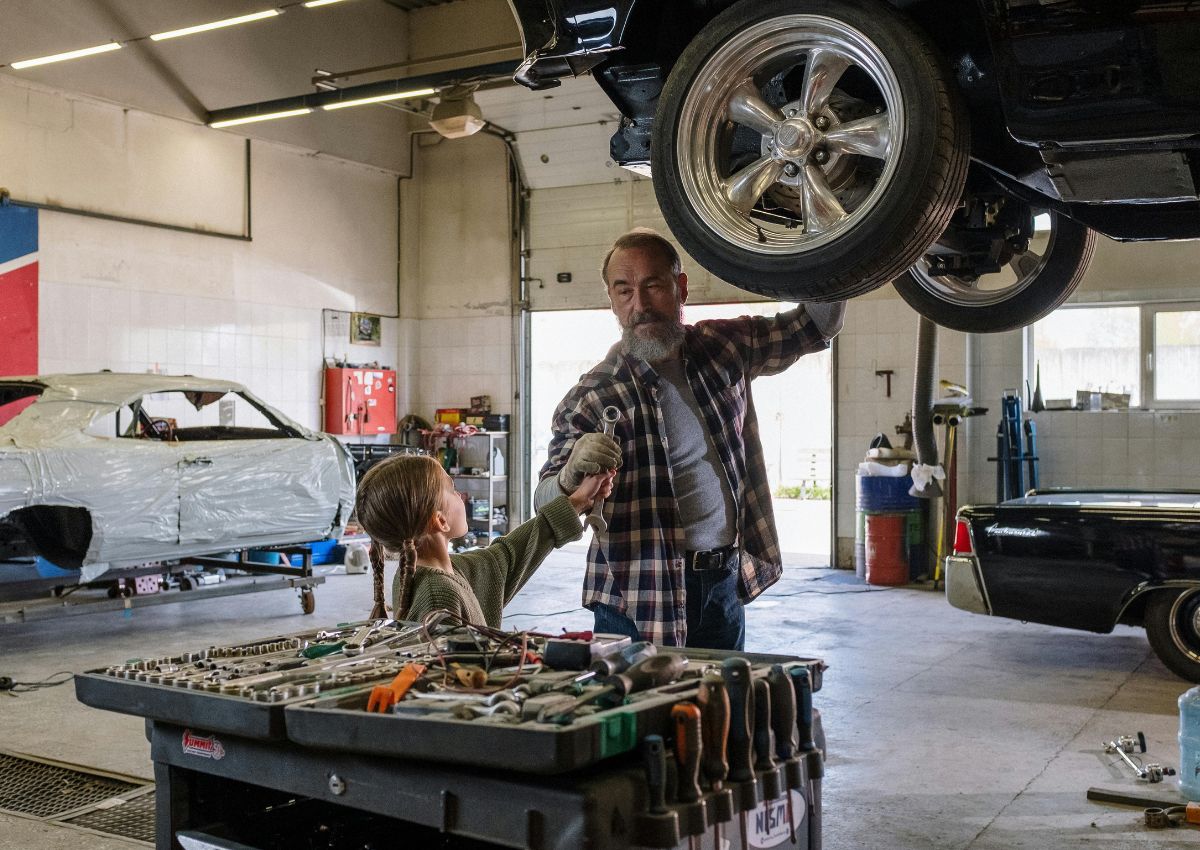
Being a grandparent is one of life’s great privileges, a chance to build memories that last and to form bonds that grow deeper with time.
Still, even with the best intentions, there are moments when certain habits can quietly create distance. It happens to all of us, often without realizing, because our love sometimes comes out in ways that do not land the way we hope.
The gift is that once we see these patterns, we can release them. And in doing so, we make room for more warmth, more joy, and more meaningful time with our grandchildren.
With that in mind, here are 35 things to let go of, so your bond with your grandkids can grow strong and steady for years to come.
1. Criticizing Their Choices

It’s natural to want your grandkids to make “better” choices—whether it’s about what they wear, how they style their hair, the friends they keep, or the hobbies they choose. But constant critiques can feel like a steady stream of judgment, even when they’re meant with love. Instead of pointing out what you think is wrong, try asking open-ended questions: “What do you like about that?” or “How did you get into this?” This shifts the conversation from correction to curiosity, showing you’re genuinely interested in their world. When kids feel their individuality is respected, they’re more likely to share their lives openly—and that’s when bonds deepen.
2. Overloading Them with Advice
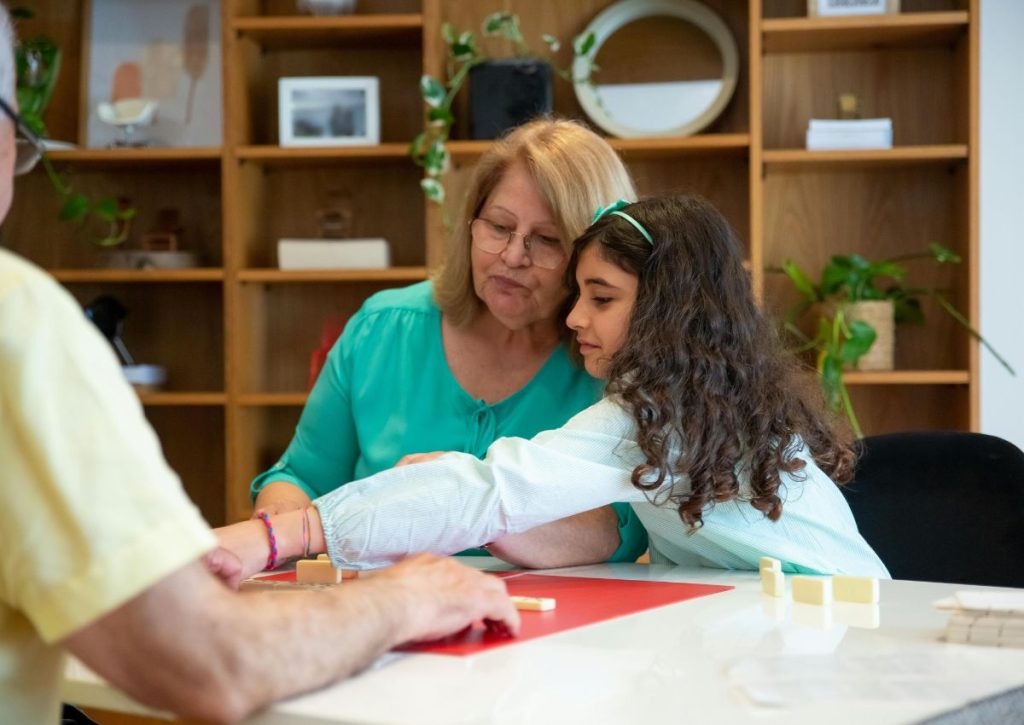
Wisdom is a gift grandparents naturally want to share, but when it’s handed out in every conversation—whether it’s about career paths, sports, or friendships—it can start to feel more like a lecture than guidance. This often makes kids tune out or avoid certain topics altogether. Instead, lead with listening. Let them talk, ask follow-up questions, and only offer advice if they seem open to it or specifically ask for it. When your insights are shared in moments of genuine connection, they become treasured nuggets of wisdom instead of background noise.
3. Ignoring Their Interests
Maybe you don’t understand why your grandson spends hours on a video game or why your granddaughter is obsessed with a band you’ve never heard of. Dismissing those passions—even in small, offhand comments—can send the message that their joy doesn’t matter. Instead, show curiosity. Ask them to teach you the basics of the game, listen to a song together, or watch a clip they love. You may not share their enthusiasm, but your willingness to step into their world tells them they matter—and that’s more important than the interest itself.
4. Comparing Them to Others

It’s tempting to point out how one grandchild excels in school or how you were more “disciplined” at their age, but even well-meaning comparisons can plant seeds of inadequacy. Instead of measuring them against siblings, cousins, or anyone else, celebrate their unique progress—whether that’s mastering a skateboard trick, finishing a drawing, or learning to cook a meal. Every child’s journey is different, and appreciating them for exactly where they are builds confidence and trust.
5. Talking Only About “Back in My Day”

Sharing stories from your youth can be a wonderful way to connect, but if every conversation drifts into nostalgia, kids might feel like you’re stuck in a time they can’t relate to. Balance the old tales with genuine curiosity about what’s going on in their lives right now—what’s happening at school, which shows they’re watching, or what their friends are like. Showing that you value both your history and their present creates a richer, two-way connection.
6. Dismissing Technology Altogether

It’s easy to see today’s screen-heavy world as a negative, but for your grandkids, technology is woven into almost every aspect of their lives. Refusing to engage with it can create distance. Instead, let them show you their favorite app, explain a game, or introduce you to a YouTube channel they love. Even if you don’t fully “get it,” you’re showing respect for the tools and spaces that matter to them. That openness builds bridges instead of walls.
7. Being Overly Critical of Their Parents

Your grandkids’ loyalty to their parents runs deep, and criticizing Mom or Dad—even subtly—puts them in a difficult position. It can make them feel like they have to choose sides, which risks damaging your connection. Even if you privately disagree with certain parenting decisions, keep those conversations away from the kids. Instead, focus on your own relationship with them—one that’s steady, supportive, and free from family politics.
8. Making Everything a Lesson
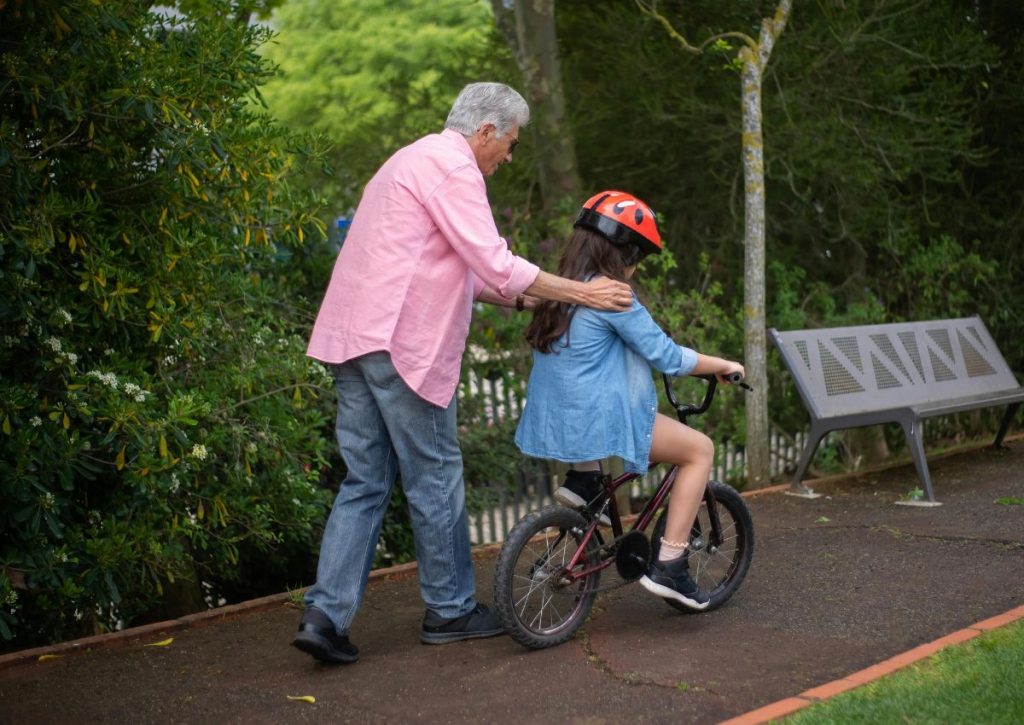
It’s tempting to use every moment with your grandkids as a teaching opportunity—passing down wisdom, sharing values, and explaining “how things were in my day.” While your experience is valuable, kids also need space to explore, play, and simply enjoy the moment without feeling they’re being evaluated or lectured. Overloading them with constant lessons can make visits feel like school instead of a safe, relaxing space. Save the life lessons for moments when they’re truly open to hearing them, and balance guidance with fun. Sometimes the best teaching happens quietly, through your example, rather than words.
9. Overloading Them with Gifts

Spoiling grandkids with toys, gadgets, or cash can feel like love in action—but too much can send the wrong message and even strain relationships with their parents. When gifts overshadow time spent together, kids may start to associate you more with “things” than with meaningful connection. Instead, focus on experiences—like baking together, exploring nature, or sharing hobbies—that build memories they’ll treasure long after the toy loses its shine. This approach also teaches them that your love is about presence, not purchases.
10. Dismissing Their Interests

If your grandchild is excited about a video game, a book series, or a sport you don’t understand, dismissing it as “silly” or “a waste of time” can unintentionally hurt their feelings. Even if their passions seem trivial to you, showing interest communicates respect and care. Ask questions, let them explain, and maybe even try it with them—yes, that might mean attempting a TikTok dance or learning about a new superhero. Engaging with their world shows you value what matters to them, deepening trust and connection.
11. Ignoring House Rules Set by Parents
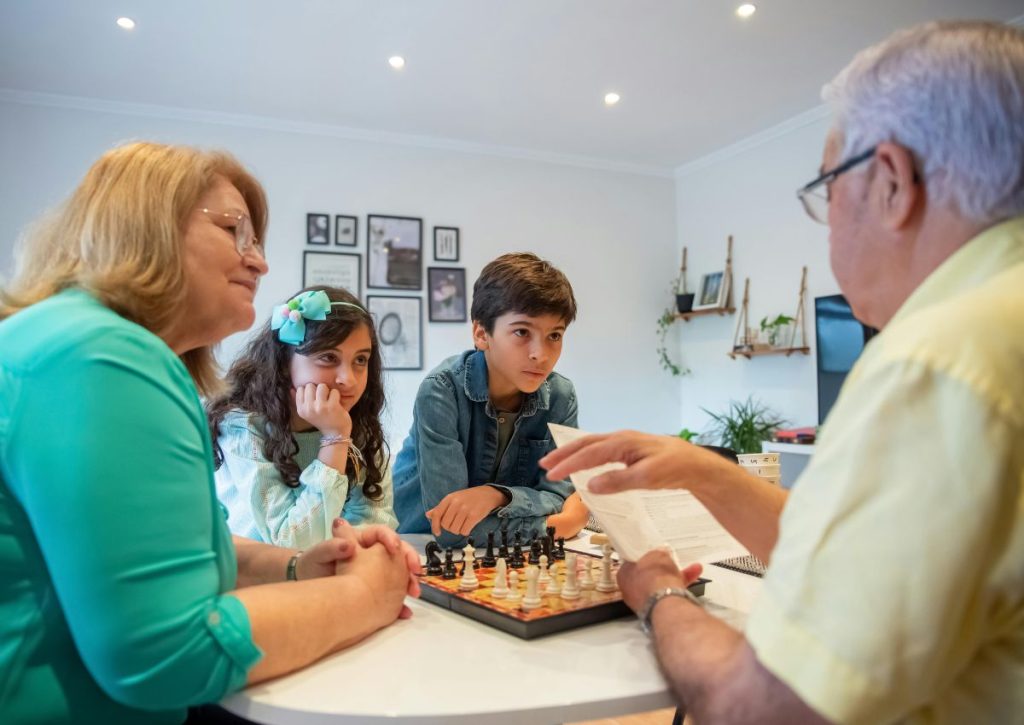
When you brush off rules—like no sweets before dinner, limited screen time, or bedtime routines—you might think you’re being the “fun” grandparent, but it can create tension with your grandkids’ parents and confusion for the kids. They rely on consistent boundaries to feel secure. By respecting the rules, you’re showing that you value the parents’ role and reinforcing a healthy environment. You can still create special moments within those limits—like introducing a new bedtime story tradition or planning a screen-free game night that everyone enjoys.
12. Overstaying Visits

It’s wonderful to spend time together, but even the closest families need breathing room. Lingering long after energy is fading can make visits feel draining instead of delightful. Kids may become restless, and parents might struggle to stick to their routines. Ending visits on a high note leaves everyone looking forward to the next one. Pay attention to cues like yawns, quietness, or distracted behavior, and gracefully wrap up before fatigue sets in. Your grandkids will remember the joy you brought, not the exhaustion that followed.
13. Expecting Them to Always Come to You

While it’s natural to hope your grandkids will visit, always expecting them to come to your home can make the relationship feel one-sided. Children’s lives are busy with school, activities, and friends, and travel can sometimes be a hurdle. Instead, make the effort to visit them on their turf—attend their school plays, sports games, or just pop by for a short hello. Showing flexibility demonstrates you’re invested in their world, not just your own comfort, and helps strengthen the bond by meeting them where they are.
14. Talking Only About “The Good Old Days”

Stories from your youth are valuable, but if every conversation turns into a nostalgia trip, kids may feel disconnected from the present. Balance sharing your history with asking about their lives, interests, and dreams. You might weave lessons from your experiences into discussions about modern challenges they face—drawing parallels rather than building walls. This way, your past becomes a bridge that connects generations instead of a monologue that leaves them feeling like their world doesn’t measure up.
15. Criticizing Their Parents in Front of Them

Even subtle digs at your grandkids’ parents—like “Well, when your mom was your age, she knew better”—can put kids in an awkward position. It undermines parental authority and can leave children feeling torn between loyalty to you and to their parents. Keep disagreements private and present a united front in front of the kids. This helps your grandkids feel secure and shows that you respect their family structure. Remember, your role as a grandparent is to add love and stability, not tension.
16. Withholding Affection to Make a Point

Love shouldn’t be conditional. Using silence or emotional distance as a way to “teach them a lesson” can damage trust more than any misbehavior they might have shown. Kids remember how you made them feel, and emotional withdrawal can leave them confused or anxious. Even in moments of frustration, keep the affection steady. Correct gently, offer guidance, and remind them they’re loved no matter what. This unconditional warmth creates a safe space where they feel secure sharing their struggles and mistakes.
17. Comparing Them to Other Grandchildren or Kids
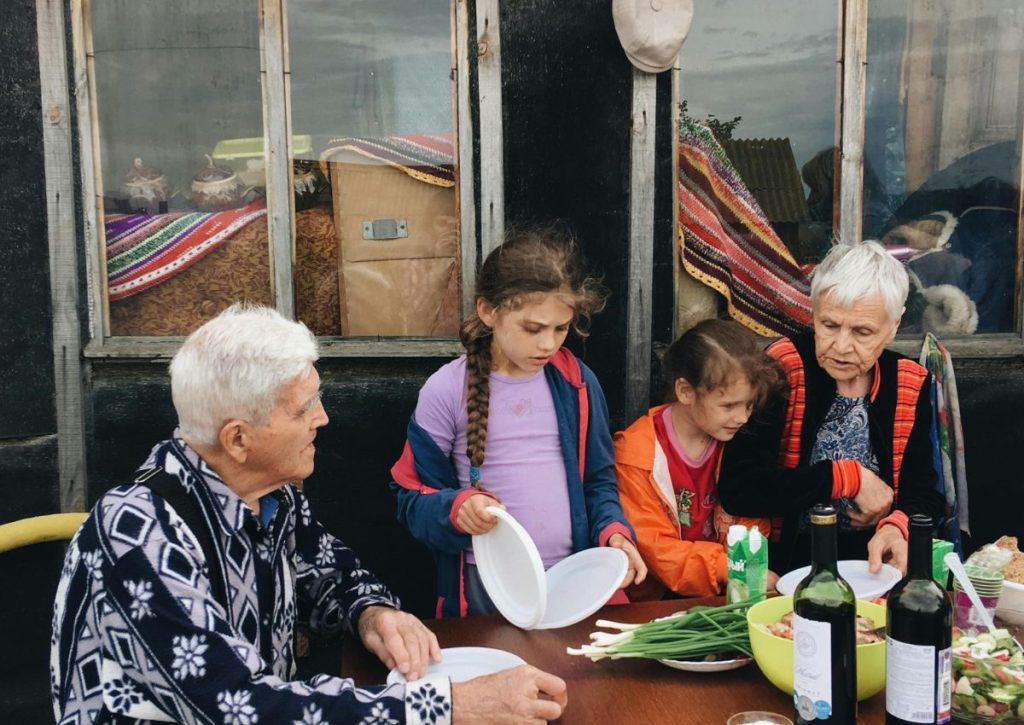
Saying things like “Your cousin gets better grades” or “Your brother listens more” might seem harmless, but comparison can plant seeds of inadequacy and resentment. Every child develops at their own pace, with unique strengths and challenges. Instead of stacking them up against others, highlight their personal wins—whether it’s creativity, kindness, or perseverance. Your recognition helps build their self-worth, which is far more lasting than any rivalry you might unintentionally stir up.
18. Overloading Them with Gifts Instead of Time
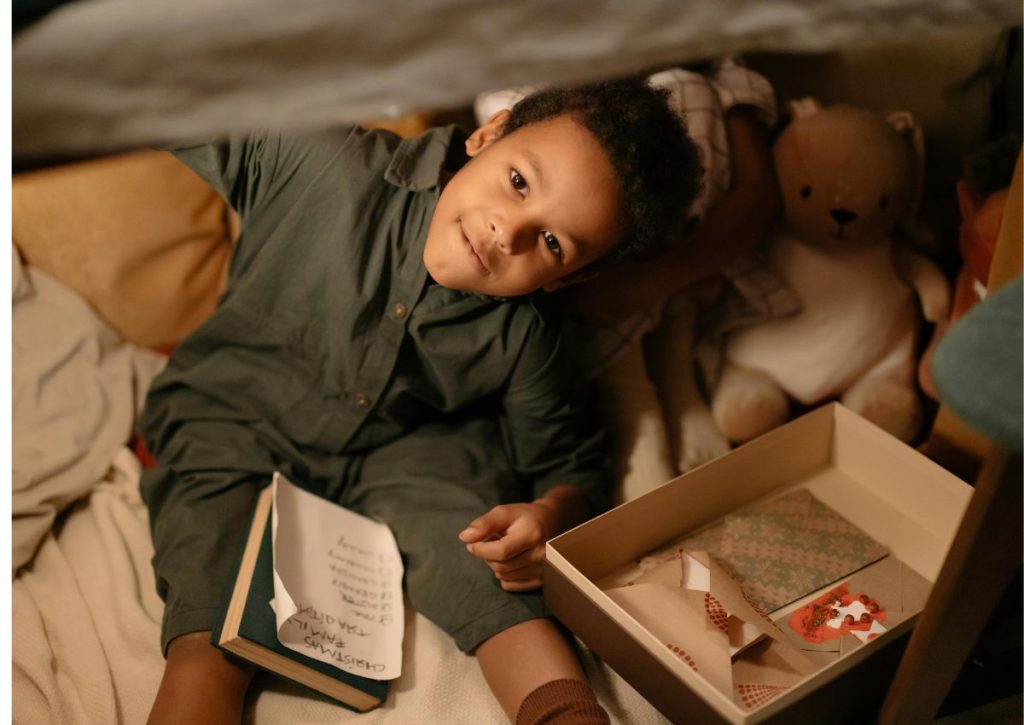
Presents can be delightful, but if they replace your presence, the connection becomes transactional. Grandkids value your time, attention, and shared experiences far more than another toy or gadget. Instead of always arriving with bags in hand, plan activities you can enjoy together—baking cookies, building a birdhouse, or exploring a park. These shared moments become stories they retell for years, outlasting anything you could wrap in paper.
19. Sharing Personal or Adult Problems with Them

Grandkids aren’t your sounding board for life’s heaviest issues. Confiding about money worries, family conflicts, or health problems can burden them with stress they’re not equipped to handle. They may feel responsible or helpless. Save those conversations for other adults and keep interactions with your grandkids light, supportive, and encouraging. Being their safe place means letting them enjoy their role as children, without the weight of grown-up troubles on their shoulders.
20. Using Technology Instead of Face-to-Face Interaction

Sending the occasional text or photo is fine, but relying solely on digital communication can make the relationship feel distant. Kids, especially younger ones, need the warmth of in-person connection—seeing your expressions, hearing your laugh, and feeling your hugs. When possible, prioritize visits, even if they’re brief. Use technology as a bridge, not a substitute, so your bond stays grounded in shared, real-world experiences that a screen can’t fully capture.
21. Interrupting Their Routines Without Notice

Showing up unexpectedly might feel spontaneous and fun to you, but it can disrupt carefully balanced schedules for both kids and parents. Sleep, homework, and mealtime routines matter, and sudden interruptions can create stress. If you want to surprise them, coordinate with the parents so the visit is welcome and well-timed. That way, your appearance is a delight, not a disruption, and everyone can fully enjoy the time together.
22. Expecting Immediate Gratitude for Everything You Do

It’s natural to hope for thank-yous, but kids don’t always show appreciation in the ways adults expect. Pressuring them to acknowledge every act can make kindness feel like a transaction. Trust that your gestures are noticed and valued, even if the gratitude shows up in subtle ways—like a hug, a smile, or them mentioning you to friends. True appreciation often grows over time, as they mature and look back on your role in their lives.
23. Talking Over Them Instead of Listening

When a grandchild is telling you something—even if it seems small—giving them your full attention sends a powerful message: they matter. Interrupting, finishing their sentences, or steering the conversation toward your own stories can make them feel dismissed. Practice active listening by asking follow-up questions, making eye contact, and showing genuine curiosity. Those moments of feeling truly heard will draw them closer to you.
24. Making Jokes at Their Expense

Teasing about their appearance, habits, or mistakes—no matter how lighthearted—can sting more than you realize. Kids often take comments to heart, and what seems harmless to you might chip away at their confidence. Keep humor playful and inclusive, never targeted. Laugh with them, not at them, so they associate your company with warmth and safety rather than embarrassment.
25. Always Having the TV On When They Visit

Background noise from constant television can distract from conversations and make visits feel less personal. Kids thrive on interactive engagement—playing games, crafting, cooking, or simply talking. Try turning off the screen and making your time together screen-free. They’ll associate your home with genuine connection and focused attention rather than passive entertainment.
26. Overstepping in Disciplining Them

Disciplining grandchildren is a delicate area and should generally follow the lead of their parents. If you impose strict or unfamiliar rules without agreement, it can confuse kids and undermine the parents’ approach. Instead, discuss discipline boundaries ahead of time and focus on gentle guidance during your time together. You can correct behavior without shaming, using moments as opportunities for teaching rather than punishment.
27. Forcing Affection When They’re Not in the Mood
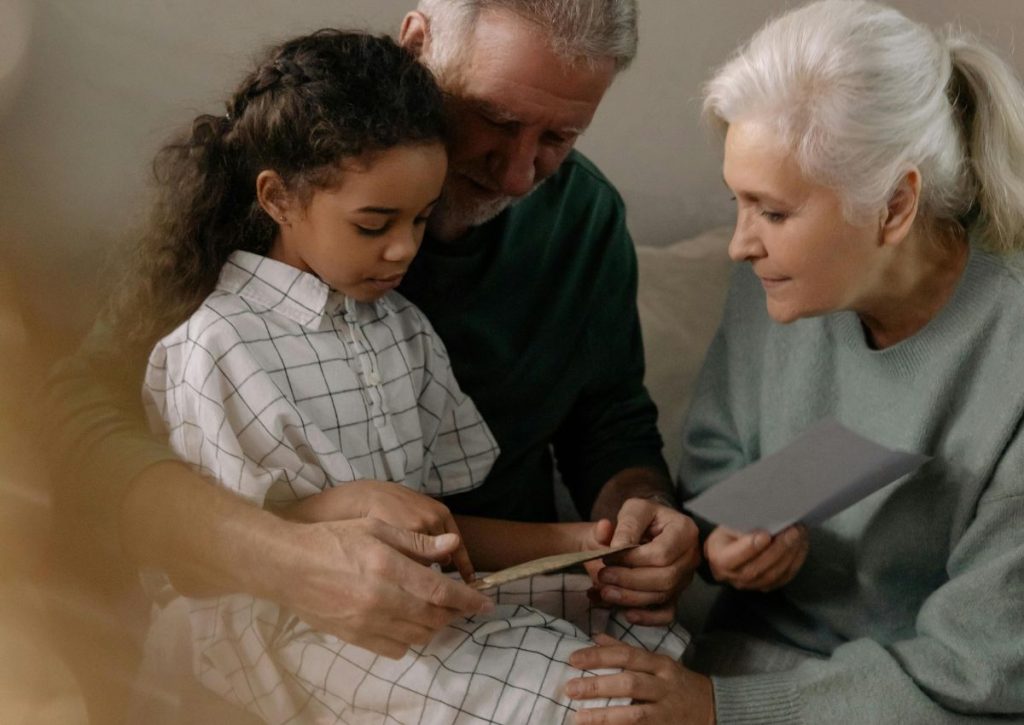
Hugs and kisses are wonderful, but forcing them—especially with older children—can create discomfort. Respect their personal space and let affection be mutual. When they see you honor their boundaries, they’ll be more likely to seek closeness on their own terms, building a relationship based on respect and trust rather than obligation.
28. Ignoring Their Interests in Favor of Your Own

You may love gardening or classic films, but if your grandkids light up about video games or skateboarding, show interest in their passions. Even if you don’t fully understand the hobby, your willingness to learn speaks volumes. Ask questions, watch them demonstrate, or even join in. When they see you value their world, they’ll feel valued as people, not just as extensions of your own likes.
29. Critiquing Their Eating Habits Constantly
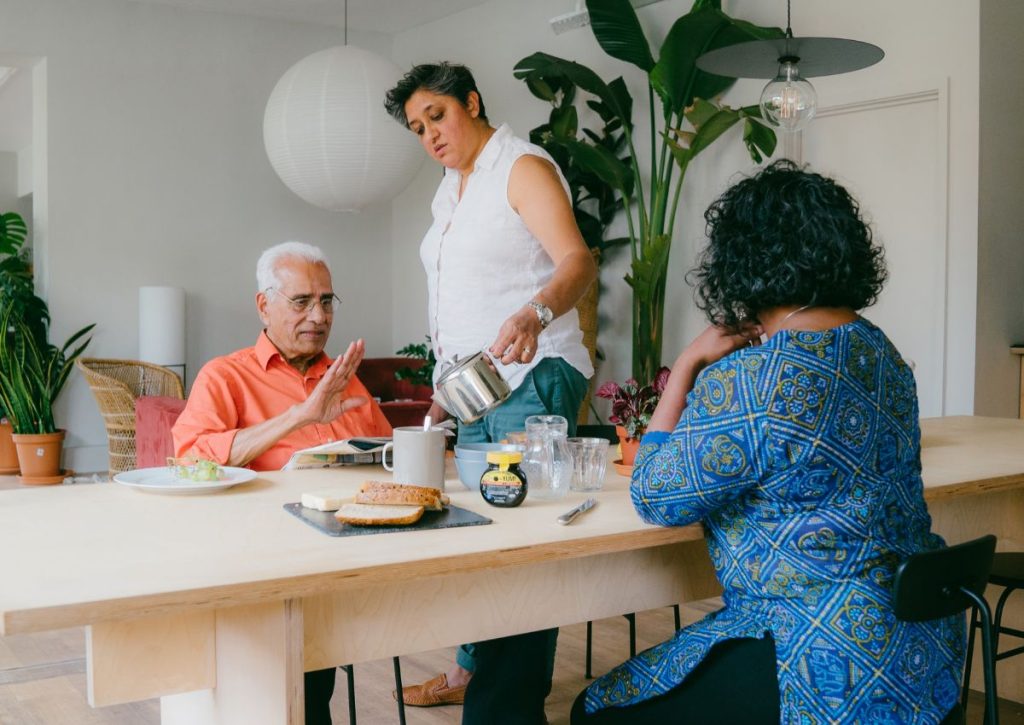
Comments about how much or little they eat, or about food choices, can lead to self-consciousness and even unhealthy attitudes toward food. Instead of criticism, offer balanced, tasty meals when they’re with you and make mealtime a stress-free zone. Encourage trying new foods by modeling enjoyment yourself, turning the table into a place of comfort rather than pressure.
30. Overindulging Every Request

Saying “yes” to every demand—whether it’s sweets, toys, or staying up late—might feel like a way to win their affection, but it can undermine respect and create unrealistic expectations. Balance kindness with limits, showing them that love also means looking out for their well-being. Kids often feel more secure when they know boundaries exist.
31. Letting Your Phone Distract You During Visits

Constantly checking messages or scrolling when you’re together sends the message that they’re not your priority. Even short visits should feel like focused, quality time. Put your phone aside, engage fully, and make them feel like they have your undivided attention. They’ll remember how present you were, not the things you missed online.
32. Making Negative Comments About Their Friends

Friendships are an important part of a child’s life. Criticizing their friends can feel like criticism of their judgment and make them hesitant to open up. If you have genuine concerns, discuss them privately with their parents. With your grandkids, aim to be supportive and curious about the people who matter to them.
33. Avoiding Difficult Conversations Altogether

While you shouldn’t overshare adult problems, avoiding all deeper discussions can make your relationship feel superficial. Be willing to talk about values, resilience, kindness, and even mistakes you’ve made. These conversations can help guide them without feeling like lectures, showing that you trust them with your perspective.
34. Forgetting to Celebrate Small Wins

It’s easy to show up for big events like graduations, but celebrating smaller victories—acing a quiz, learning a new skill, or showing kindness—makes kids feel seen and valued every day. A simple note, call, or special snack can make these moments memorable.
35. Holding Grudges Over Past Behavior

Kids grow, change, and make mistakes—it’s part of learning. Holding onto past slip-ups can weigh down your relationship. Let go of old frustrations and approach each visit as a fresh opportunity to connect. Forgiveness not only strengthens your bond but also models emotional maturity they’ll carry into their own relationships.
