





Becoming a grandparent is a joyful transition, but it can also feel like stepping into a delicate dance. While your experience is valuable, offering advice or opinions without being asked can create tension with your adult children. Today’s parenting approaches differ from those of previous generations, and what once felt helpful may now come across as judgmental or outdated. The best way to stay connected and involved is through respect, patience, and thoughtful communication. Here are 36 well-meaning phrases to avoid if you want to remain a trusted, welcome part of their parenting journey.
1. “That’s not how we did it.”

While it might be true based on your experience, saying “I did it this way and it worked” can unintentionally undermine your adult child’s methods. Parenting approaches evolve as new research and ideas emerge, and what worked for you may not be applicable today. Every generation adapts to new information and experiences. By allowing your adult children to find what works best for them, you show trust in their ability to navigate parenthood. This approach fosters respect and opens up opportunities for mutual learning rather than reinforcing old methods.
2. “You turned out fine, didn’t you?”

Saying “You turned out fine” may seem harmless, but it shuts down conversation and suggests there’s no room for improvement. It implies your way was flawless and leaves little space for your children to explore parenting styles that reflect their own values or current understanding. Every generation faces new challenges and learns new things what felt normal back then may not align with today’s priorities around emotional intelligence, safety, or communication. Respect their right to adapt and evolve as parents without feeling like they’re rejecting your legacy.
3. “Why don’t you just do it this way?”

Even the kindest advice can feel like judgment when it’s unsolicited. What might be intended as a helpful suggestion often lands as criticism, especially when your adult kids are still finding their footing as parents. Offering advice too soon can create tension or make them feel second-guessed. Instead, hold space and listen. If they ask for your thoughts, that’s your invitation to share but until then, trust that they’re doing their best. Giving them room to grow fosters mutual respect and a stronger, more open relationship in the long run.
4. “You’re being too soft on them.”

Discipline styles have evolved, and what may seem “soft” to you might actually be rooted in research about emotional regulation and child development. Calling your adult kids “too soft” can feel like an attack on their judgment and authority. It not only stirs defensiveness but also risks alienating them from seeking your input in the future. Instead, observe how their methods work before forming an opinion and remember, empathy and boundaries can coexist. Respecting their parenting choices builds trust and keeps you involved in a way that feels supportive, not critical.
5. “You’re being too strict.”

Calling them “too strict” sends the same hurtful message as saying they’re too soft, it undermines their confidence and second-guesses their instincts. Every parent finds their own balance between boundaries and freedom, often through trial and error. Criticizing either end of the spectrum doesn’t help, it just makes them feel judged. If you’re concerned, ask curious questions instead of making comments. Better yet, offer encouragement when you see their approach working, it affirms their choices and keeps your role as a grandparent warm and welcome.
6. “They need more discipline.”

Saying things like “A good spanking would fix that” implies their approach to discipline is ineffective and worse, it questions their authority in front of their child. Even if you raised your kids differently, today’s parenting often leans on communication and boundaries rather than punishment. When you suggest harsh methods, it can feel like a critique, not help. Let them decide how to guide their child’s behavior. Support their efforts instead of offering outdated or unsolicited advice. Confidence grows when they feel trusted, not corrected.
7. “That name is… interesting.”

Names carry deep meaning for parents cultural, personal, emotional. Even a raised eyebrow or a lukewarm “That’s… different” can sting and linger far longer than you expect. When you critique or joke about a grandchild’s name, you’re not just commenting on a choice, you’re dismissing a moment your adult child may have agonized over. If you don’t love the name, keep it to yourself. Respect and support means celebrating their decisions, even if they differ from your own. Your warmth and acceptance will matter far more than your opinion.
8. “Are you sure about that school?”

Educational choices from homeschooling to public or private school often reflect a family’s values, finances, and unique needs. Questioning those decisions with comments like “Are you sure that’s the best school?” or “They’ll miss out socially” can feel like judgment, not concern. Even well-meaning doubt can sow resentment or make your child second-guess a choice they carefully considered. Unless asked for input, trust their ability to weigh what’s right for their family. Supporting their confidence as parents helps them stay grounded and proud of their path.
9. “We never had all these rules.”

Saying things like “We didn’t do all that and you turned out fine” may sound nostalgic, but it often comes off as dismissive. Parenting today reflects new research, cultural shifts, and safety updates, it’s not about overcomplication, it’s about adaptation. This kind of comment can make parents feel like they’re being judged for trying to do things thoughtfully. Instead of minimizing their efforts, acknowledge the evolving world they’re raising kids in. Respect goes a long way in helping them feel confident, not criticized.
10. “Don’t you think you’re overreacting?”

Telling your adult child to “calm down” or questioning why they’re so emotional in a parenting moment can feel deeply invalidating. Emotions often run high when raising kids, and suggesting they’re overreacting can make them feel judged, not supported. It minimizes their experience and may shut down future communication. Instead, acknowledge their feelings with empathy even a simple “That sounds really hard” can go a long way. Respecting their emotional process shows trust in their ability to navigate the ups and downs of parenting.
11. “You’re spoiling them.”

Modern parenting places a strong emphasis on emotional security validating feelings, encouraging open dialogue, and building trust from an early age. This may look very different from how you raised your children, but that doesn’t make it wrong. Statements like “You’re babying them too much” can undermine their thoughtful approach. Today’s parents are often striving for balance discipline with compassion, boundaries with connection. Instead of questioning it, try to understand and support their goals. Trusting their methods strengthens your relationship and theirs with their kids.
12. “That’s not real parenting.”

Comments like “We never did that and you turned out fine” may be meant lightheartedly, but they often come across as dismissive. Every generation adapts to new research, challenges, and values and what worked decades ago might not suit today’s world. Dismissing your adult child’s parenting choices can make you seem outdated or unsupportive, even if that’s not your intent. Instead, show curiosity ask why they’re choosing a certain method. It opens up dialogue and shows that you respect their role as the parent, not just your own history.
13. “Let them cry it out.”

Sleep is one of the most debated and sensitive topics for new parents. Whether it’s co-sleeping, crib routines, or sleep training, unsolicited advice can feel like second-guessing. Saying things like “You just need to let them cry it out” might trigger stress rather than support. Today’s parents are often guided by research, personal values, and pediatric advice tailored to their child’s needs. Unless they ask, hold back on offering solutions. A simple “You’re doing great, it’s tough” goes much further and keeps the lines of trust and communication open.
14. “Pick your battles.”

Saying “Pick your battles” can come off as condescending, even if you mean well. It suggests your adult child is overreacting or being too rigid when in reality, they’ve likely already made thoughtful decisions about what matters most in their parenting. It also undermines their authority and instincts. Parenting today involves constant negotiation and balance, and they’re probably choosing their priorities with care. Instead of offering blanket advice, try asking, “How can I support you with this?” That respect can strengthen your relationship, not strain it.
15. “They’ll grow out of it.”

Saying something like “It gets easier” or “You’ll miss this someday” might be intended to comfort, but in the heat of exhaustion or frustration, it can feel invalidating. While your experience is valuable, your adult child may just need to vent or feel heard in that moment. Brushing off their current struggles with a future promise can seem dismissive. Instead, try acknowledging their feelings with a simple, “That sounds really hard, how can I help?” Empathy in the present goes a lot further than perspective that feels out of reach.
16. “That’s just a phase.”

Dismissing a grandchild’s tantrum with “They’re just being dramatic” or downplaying their quirks with “It’s just a phase” might seem harmless, but it can make your adult child feel unsupported. What may seem trivial to you could be a big daily challenge for them. These comments can come across as invalidating, suggesting they’re overreacting or failing to manage something simple. Instead, try recognizing the effort they’re putting in with something like, “You’re handling a tough stage really well.” That affirmation builds trust and keeps you in the parenting loop in a helpful way.
17. “When I was a parent…”

When you respond to their parenting struggles with “Well, when I was raising you…” or “Back in my day…,” it can unintentionally turn the conversation into a comparison. This shift can make your adult child feel unseen or judged, as though their challenges aren’t valid unless they match yours. While sharing your past can be meaningful, timing matters. If they’re venting or overwhelmed, listen first. Support comes from meeting them where they are not bringing the focus back to where you were. Empathy keeps the connection strong nostalgia can wait for the right moment.
18. “You’ll understand when they’re older.”

Saying something like “You’ll understand when you’re older” can feel dismissive and condescending, even if it’s well-intentioned. It implies your adult child isn’t mature or capable enough to grasp the situation, which undermines their judgment and confidence as a parent. While you may have years of experience, they’re living their own learning curve and deserve to be respected in it. Support their growth by validating their decisions and offering insight only when asked. Trust builds stronger bonds than patronizing predictions ever will.
19. “You should really read this book.”
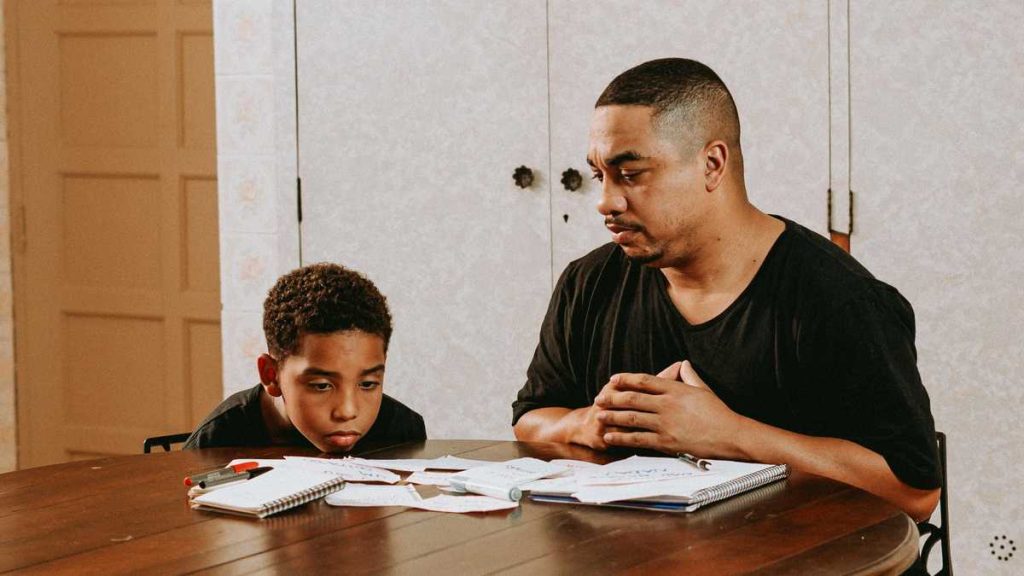
Even when a parenting book, podcast, or article is genuinely helpful, suggesting it out of the blue can feel like a subtle jab. Unsolicited recommendations often come across as, “You’re doing it wrong, and this will fix you.” That kind of input especially when not asked for can trigger defensiveness or self-doubt. If you truly believe in a resource, wait for the right moment. Ask if they’re open to ideas first, or better yet, share your own story and how it helped you. When advice is framed as personal experience rather than correction, it’s more likely to be welcomed.
20. “I saw this thing online…”

Flooding your adult children with the latest parenting trends, studies, or social media warnings can feel less like help and more like pressure. Even when your intentions are good, a steady stream of unsolicited tips can overwhelm, annoy, or make them question their own instincts. Before offering suggestions, simply ask, “Would you like a tip?” or “Are you open to an idea I read?” Respecting their autonomy shows you trust them to navigate parenting their way. That mutual respect keeps your bond strong and makes them more likely to turn to you when they actually need support.
21. “You should have more kids.”

The decision to have more children or not is one of the most personal choices a couple can make. Comments like “When’s the next one coming?” or “Only one?” may seem harmless, but they can strike a nerve, especially if your child is facing fertility issues, financial stress, or simply feels complete as is. Pressuring them about family size communicates that their current life or choices aren’t enough. Instead, focus on celebrating the family they have now. Trust that they know what’s right for their own journey and support them unconditionally, whatever path they choose.
22. “One is enough, don’t you think?”

On the flip side, discouraging your adult children from having more kids whether it’s about money, space, or your own energy can feel just as invasive as pushing them to expand. It implies you don’t trust their ability to manage their lives or know what’s best for their family. Even subtle comments like “Are you sure you can handle another one?” can cast doubt where encouragement is needed. Unless they ask for your opinion, it’s best to offer steady support and let them lead their own family decisions. Confidence grows when they know you’re behind them, not second-guessing their path.
23. “You’re always tired maybe you’re doing too much.”

Yes, parenting is exhausting and your adult children know it. Saying things like “Well, you wanted kids” can feel dismissive and unsympathetic. It implies that their fatigue or stress is self-inflicted and unworthy of compassion. Instead of validating their effort, it can sound like blame wrapped in sarcasm. What they really need is empathy, not judgment. A simple “You’re doing great” or “It’s okay to feel overwhelmed” goes a lot further. Parenting is hard, no matter the decade be the voice that uplifts, not the one that adds to the weight.
24. “You need to be more present.”

Even if you mean well, saying something that suggests they’re doing it “wrong” can feel like a personal attack. Comments like “We never did it that way” or “That’s not how I’d handle it” can sting deeply, implying failure instead of offering guidance. Modern parenting choices might differ from your own, but that doesn’t make them wrong just different. Your adult kids are trying their best, and what they need is reassurance, not silent judgment or subtle corrections. Respect their approach, and trust that they’re making thoughtful choices. Support builds bridges criticism builds walls.
25. “You need to relax more.”

Telling overwhelmed parents to “just relax” might seem like gentle advice, but it often lands as dismissive. When someone is stressed, being told to calm down can make them feel even more inadequate, as if they’re failing at staying composed. It ignores the real challenges they’re facing and implies their emotions are the problem not the situation. Instead, offer practical support or a listening ear. Say, “How can I help?” or “You’re handling so much so well.” That kind of empathy can ease stress far more than a hollow directive to chill out.
26. “You’re doing too much screen time.”

Screen time looks different today, and commenting with disapproval like “Kids shouldn’t be on tablets so much” can feel like a direct challenge to their parenting. The truth is, modern parents often use screens thoughtfully for education, connection, and even a bit of well earned breathing room. They’re navigating a tech-filled world their own way, with balance and intention. Instead of judging, try asking about the apps or shows their kids enjoy. Show curiosity, not criticism. Respecting their choices shows you trust their ability to raise thoughtful, well rounded children.
27. “You should really stay home with them.”

Saying things like “I don’t know how you leave them all day” or “Kids need a full-time parent at home” puts your adult child in a no-win situation. Whether they’ve chosen to work or stay home, those comments can spark guilt, defensiveness, or resentment. Today’s families make decisions based on financial realities, career goals, and personal fulfillment not outdated norms. Instead of questioning their path, support their choices by acknowledging how hard they work at home or in a career. Respect fosters trust, and that trust keeps you close to both parent and child.
28. “Daycare? Don’t you worry?”

Yes, they likely already worry about sleep, milestones, tantrums, and everything in between. Saying things like “Aren’t you worried about that?” or “That doesn’t seem normal” only fuels their anxiety. Modern parents are bombarded with enough pressure, piling on more doubt doesn’t help. Instead, offer reassurance or simply listen. Say something like, “You’re doing a great job handling that” or “You know your child best.” Confidence grows when parents feel supported not second-guessed. Your calm presence can be a powerful antidote to the everyday stress they already carry.
29. “Kids need a mom at home.”

Comments like “Kids need their mother at home” or “It’s not the same with a nanny” dismiss the realities of modern parenting and reinforce outdated gender roles. Today’s families often thrive with both parents working, sharing caregiving duties, or enlisting trusted support. These choices don’t make them any less loving or committed. Such remarks can sting, especially for mothers already navigating guilt. Instead, celebrate how they’ve built a life that works for their family. Respecting their decisions without judgment strengthens your relationship and keeps you part of their trusted circle.
30. “You should feed them instead.”
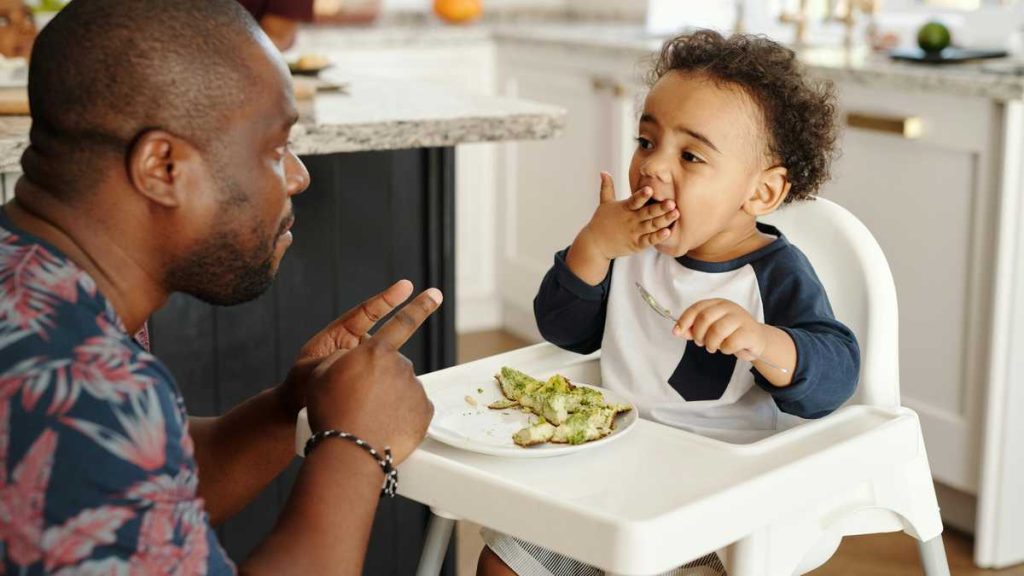
Unless you’re specifically asked, avoid commenting on what the kids are eating or not eating. Remarks like “Should they really be having that?” or “We never gave you sugar at that age” can come off as critical, even if well-meaning. Parents today are navigating a minefield of dietary advice, allergies, and food trends, and they’re doing their best. Trust that they’ve made thoughtful choices for their family. If you’re concerned, bring it up gently and privately not in front of the kids. The goal is to support, not second-guess. Encouragement goes a lot further than judgment at the table.
31. “I wouldn’t let my kids act like that.”

Saying things like “You let them do that?” or “We never would’ve allowed that” sends a loud message, I’m judging you. Even if you’re surprised by their parenting style, calling it out only creates tension and defensiveness. Today’s parents often value gentle discipline, emotional validation, and autonomy for their kids approaches that may differ from your own. Instead of criticizing, stay curious or simply stay quiet. Remember, your role is to support, not supervise. Respect builds trust and makes it more likely they’ll turn to you when they do want advice.
32. “Maybe they need a spanking.”

Times have changed and so has discipline. Recommending spanking or saying “A good smack would fix that” can instantly shut down trust. Corporal punishment is no longer widely accepted, and many parents today are choosing evidence-based approaches that focus on emotional regulation and natural consequences. Even if you were raised differently or used spanking yourself, avoid bringing it up. Your adult child is parenting in a new era, and your support means more than your opinion on discipline. When you respect their methods, you stay connected and invited to be part of the child’s life.
33. “I never needed help.”

Saying things like “I never needed help when I was raising you” may seem harmless, but it heaps guilt onto already overwhelmed parents. It dismisses the struggles you likely had and suggests they’re weak for needing support. Today’s parenting challenges are different less community, more pressure, and constant comparison. Instead of holding your hardships as the gold standard, try offering empathy. Say, “I remember how tough some days were,” or simply ask how you can help. Affirming their experience strengthens your bond and shows you’re on their team, not competing for who had it harder.
34. “Your generation overcomplicates everything.”

Saying things like “Kids today are all the same” or “Parents these days are too soft” may feel like casual observations, but they come off as dismissive. Broad generalizations don’t help they diminish your adult child’s unique choices and experiences. Instead of sparking connection, these comments build walls and imply judgment. Remember, parenting evolves with each generation. Showing curiosity rather than criticism fosters trust. Try asking why certain choices matter to them, it shows you respect their role and opens the door to deeper, more meaningful conversations.
35. “Are you sure you’re cut out for this?”

Even when meant as a joke, saying something like “Are you sure that’s the best idea?” or “You’re going to spoil them rotten!” can land like a gut punch. Parenting is already filled with self-doubt, and comments like these especially from someone they love and respect can amplify their insecurities. Humor doesn’t soften criticism when it hits a vulnerable spot. Instead, offer support with curiosity or affirmation, “You really put thought into how you’re raising them.” It’s far more empowering. Let your adult kids feel trusted, they’re more likely to seek your insight when they don’t feel judged.
36. “You’ll regret doing it this way.”

Nothing deflates a new parent’s confidence like hearing, “Just wait it only gets worse,” or “That won’t work for long.” These predictions, even if based on your past, sound more like warnings than wisdom. They can steal joy from the present and make your adult child second-guess themselves. Instead of forecasting failure, focus on encouragement, “You’re doing a great job trust yourself.” Uplifting words empower them to handle challenges when they come. Parenting is hard enough without someone suggesting they’re headed for disaster. Speak hope, not doom it makes all the difference.
