





Grandparents hold a unique and cherished place in their grandchildren’s lives—a source of love, wisdom, and fun that shapes childhood memories for a lifetime. But building a strong bond isn’t just about big gestures; it’s the small, everyday habits that create warmth and trust, making grandkids eager to visit again and again. From genuine attention to playful moments and steady support, these simple habits nurture connection and deepen relationships. Whether you’re a new grandparent or have years of experience, embracing these habits can turn every visit into a treasured experience your grandkids will always look forward to.
1. Greet Them with Genuine Excitement

From the moment your grandkids step through the door, greeting them with genuine excitement sets the tone for the visit. A warm smile, calling them by name, and an enthusiastic hug help children feel instantly valued and loved. This authentic joy reassures them they’re special to you and creates a positive emotional connection that encourages repeated visits. Kids remember how their presence lights up your face and look forward to that welcoming energy.
2. Listen Attentively Without Interrupting

Grandchildren often want to share their thoughts and experiences, and giving them your undivided attention sends a powerful message of respect. When you make eye contact, avoid distractions, and listen without interrupting, you show them their words matter. This habit not only strengthens communication but also builds emotional safety. Children feel understood and valued, which deepens trust and helps them open up more in the future.
3. Create Traditions They Can Count On
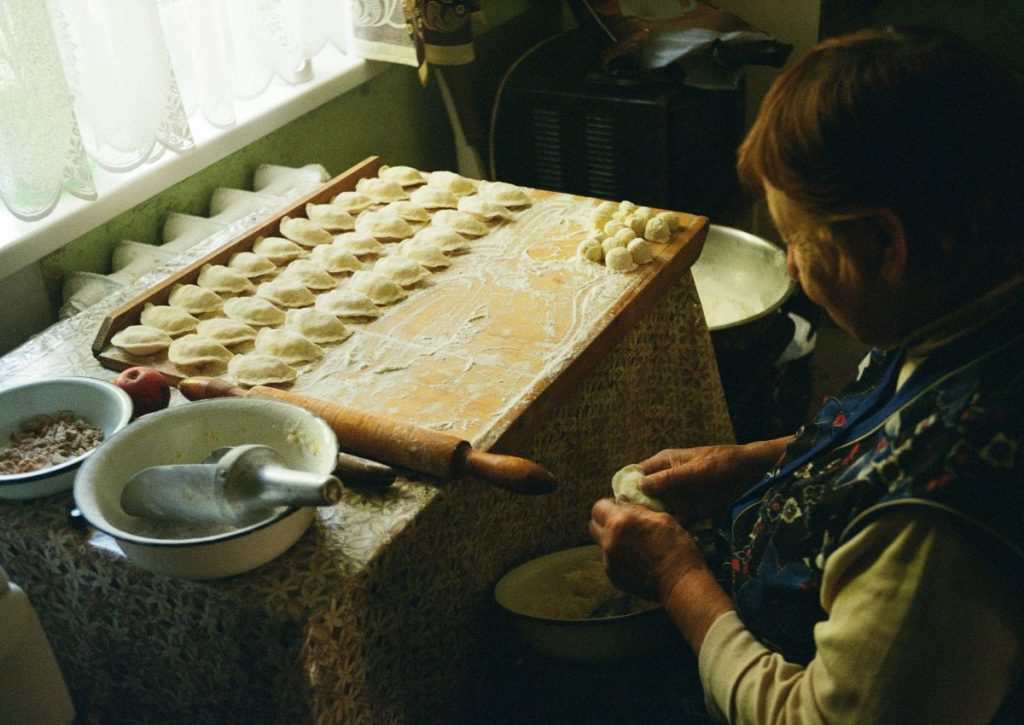
Establishing meaningful rituals, such as baking cookies every Saturday or an annual holiday craft project, offers children something stable to anticipate. These traditions create a sense of belonging and continuity across years, making your relationship feel reliable and special. They also foster memories that grandchildren cherish into adulthood, linking your role to joyful experiences rooted in love and consistency.
4. Offer Small Surprises and Treats

Thoughtful surprises like their favorite snack, a new book, or an impromptu game demonstrate that you pay attention to their likes and want to make time together special. These gestures don’t require extravagance but do convey care and delight. Surprises spark joy and excitement, turning ordinary visits into memorable occasions and reinforcing the idea that being with you is fun and rewarding.
5. Encourage Their Interests and Hobbies

Showing genuine interest in your grandchildren’s passions — whether it’s painting, soccer, or dinosaurs — helps you connect on a deeper level. Attend their games, ask detailed questions, and join in activities when you can. Your enthusiasm validates their identity and boosts their confidence. This investment in their interests makes your time together meaningful and shows that you care about who they are becoming.
6. Share Stories from Your Childhood
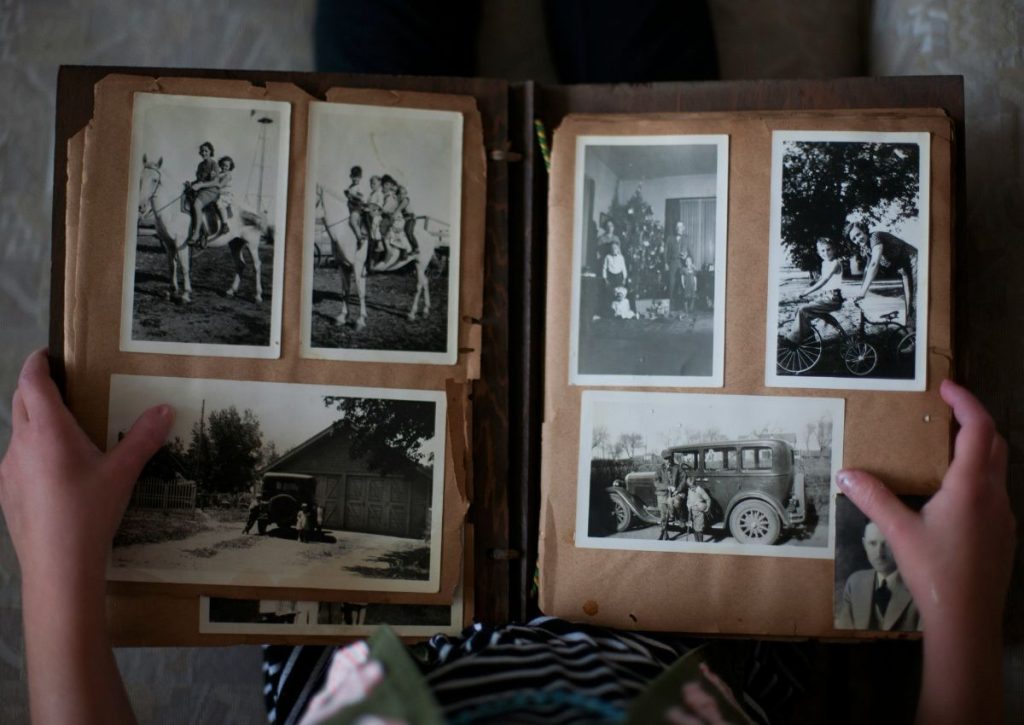
Telling stories from your own youth invites grandchildren into your world, making you relatable and sparking their curiosity about family history. These anecdotes offer glimpses of different times, adventures, and lessons learned, bridging generational gaps. Children love imagining you as a kid and often find humor and wisdom in these tales. It enriches their sense of identity and strengthens bonds through shared narrative.
7. Be Patient During Meltdowns or Tantrums

Young children can have intense emotions they don’t yet know how to express. Responding with calm patience instead of frustration during meltdowns reassures them they are safe and loved even when struggling. Your steady presence helps them regulate feelings and teaches emotional resilience. When grandchildren feel understood rather than judged in tough moments, it fosters trust and encourages them to seek comfort with you.
8. Include Them in Everyday Tasks

Inviting grandkids to help with cooking, gardening, or tidying turns chores into bonding moments and shows them they are valued contributors. These shared activities teach practical skills, create teamwork, and make your home feel welcoming and inclusive. By involving children in your routines, you break down barriers and build a sense of togetherness, making visits more engaging and meaningful.
9. Use Positive Reinforcement Generously

Consistently recognizing good behavior and efforts with sincere praise nurtures grandchildren’s self-esteem and motivation. Instead of focusing on mistakes, celebrating small victories builds confidence and encourages repetition of positive actions. Your encouragement becomes a supportive foundation for their growth, associating your presence with warmth, acceptance, and encouragement.
10. Create a Safe, Cozy Space for Play and Relaxation
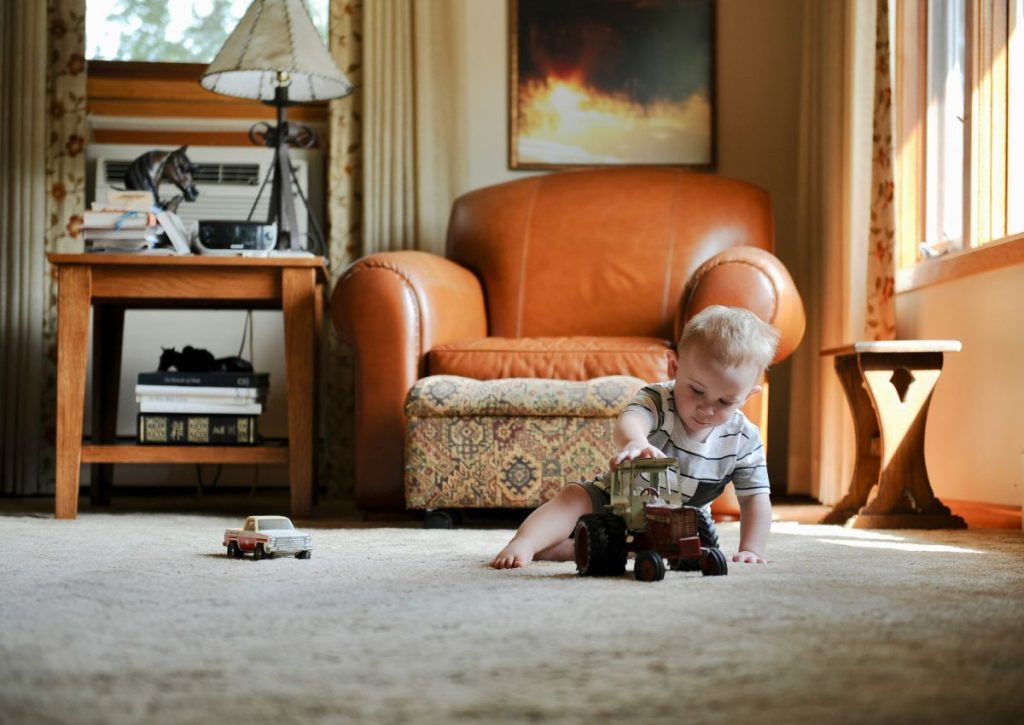
Designating a child-friendly area with books, toys, and comfy seating signals that your home is their space too. This physical environment invites relaxation and play, making children feel at ease and welcome. A cozy nook becomes a refuge where grandkids can be themselves, fostering longer visits and deeper connections through fun and comfort.
11. Respect Their Need for Routine and Rest

Acknowledging and honoring grandchildren’s schedules, including naps and mealtimes, shows that you prioritize their health and comfort. Avoiding disruptions to their routine minimizes stress and behavioral issues, making visits smoother and more enjoyable for everyone. This sensitivity demonstrates empathy and respect, strengthening your relationship by honoring their basic needs.
12. Communicate Openly with Their Parents

Maintaining clear, respectful communication with your adult children about expectations, boundaries, and routines builds a stable foundation for your role as grandparent. When everyone is on the same page, it prevents misunderstandings and provides consistency for the grandchildren. This collaboration models healthy family dynamics and reassures kids that all caregivers are united in their support.
13. Encourage Outdoor Exploration

Whether it’s a trip to the park, a backyard scavenger hunt, or a walk in the woods, outdoor activities stimulate children’s curiosity, health, and joy. Spending time in nature with you fosters learning and adventure while promoting physical exercise. Your enthusiasm for the outdoors inspires a love for exploration and fresh air, creating positive associations with active, shared experiences.
14. Limit Screen Time During Visits

Prioritizing face-to-face interaction over screens helps keep your attention focused on grandchildren, encouraging communication and play. Suggesting creative games, storytelling, or hands-on projects fosters meaningful connection and social skills. By modeling healthy limits on digital devices, you teach balance and help children appreciate real-world engagement.
15. Keep a Lighthearted Sense of Humor

Laughter is a powerful bonding tool. Sharing jokes, making silly faces, or engaging in playful antics lightens the mood and creates joyful memories. Your ability to laugh with (and sometimes at) yourself invites grandchildren to relax and be playful, building warmth and connection. Humor also helps navigate challenges and makes your presence a source of happiness.
16. Offer Gentle Guidance, Not Harsh Criticism

When correcting behavior, choosing kind explanations over scolding helps maintain children’s self-esteem and openness. Gentle guidance teaches boundaries with respect, encouraging learning rather than fear. This approach fosters a safe emotional environment where grandchildren feel supported in their growth, strengthening trust and mutual respect.
17. Encourage Creativity and Imagination

Providing supplies for art, music, or dress-up play fuels children’s creativity and self-expression. Supporting imaginative activities nurtures problem-solving skills and emotional development. Your encouragement validates their ideas and inspires confidence to explore new concepts, making your time together stimulating and fun.
18. Celebrate Their Achievements, Big and Small

Acknowledging everything from academic progress to kind gestures reinforces positive self-image. Celebrations, whether a high-five, a special meal, or a small gift, demonstrate your pride and attention. This recognition motivates grandchildren to keep striving and associates your presence with encouragement and joy.
19. Share Your Passions and Skills

Teaching grandchildren about your hobbies—be it cooking, gardening, or playing an instrument—creates shared interests and treasured memories. These lessons pass down family traditions and skills, while also demonstrating your enthusiasm for lifelong learning. Your willingness to share passions helps build lasting connections beyond surface-level visits.
20. Be Consistently Reliable and Available
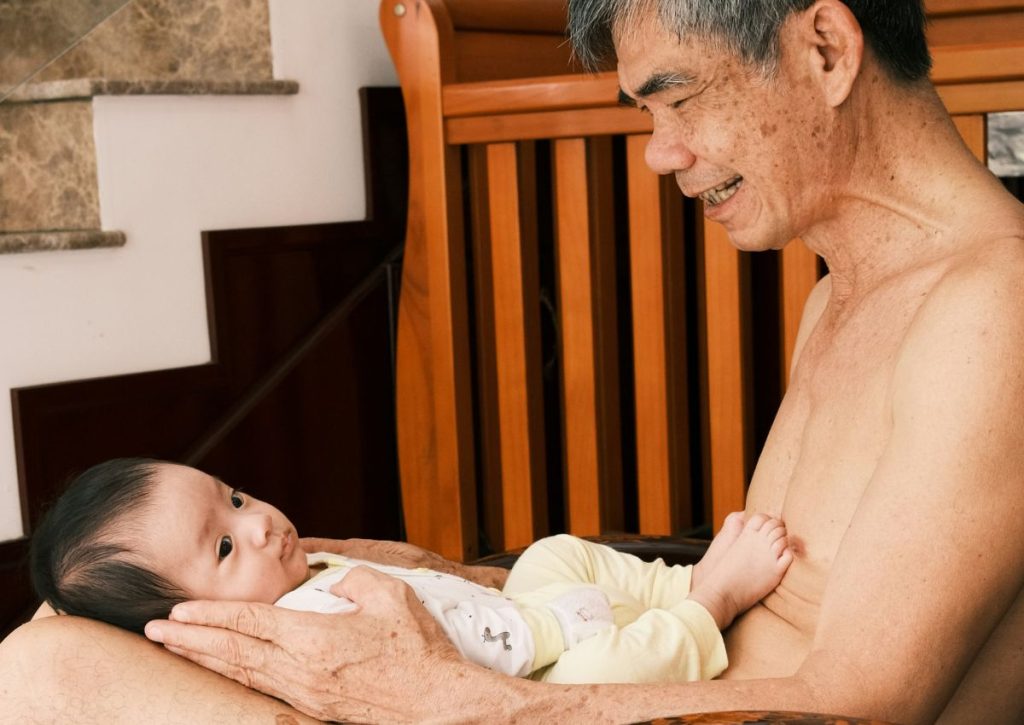
Showing up on time and following through on plans builds trust and emotional security. When children know they can count on you, it strengthens your role as a dependable adult in their lives. Reliability communicates respect and love, making grandchildren more likely to seek you out for comfort, fun, and support.
21. Respect Their Feelings and Opinions

Honoring grandchildren’s emotions and viewpoints, even when different from your own, fosters mutual respect. Validating their feelings encourages open communication and helps them develop confidence in expressing themselves. This respectful approach deepens your relationship and creates a safe space for honest dialogue.
22. Share Healthy Snacks and Meals
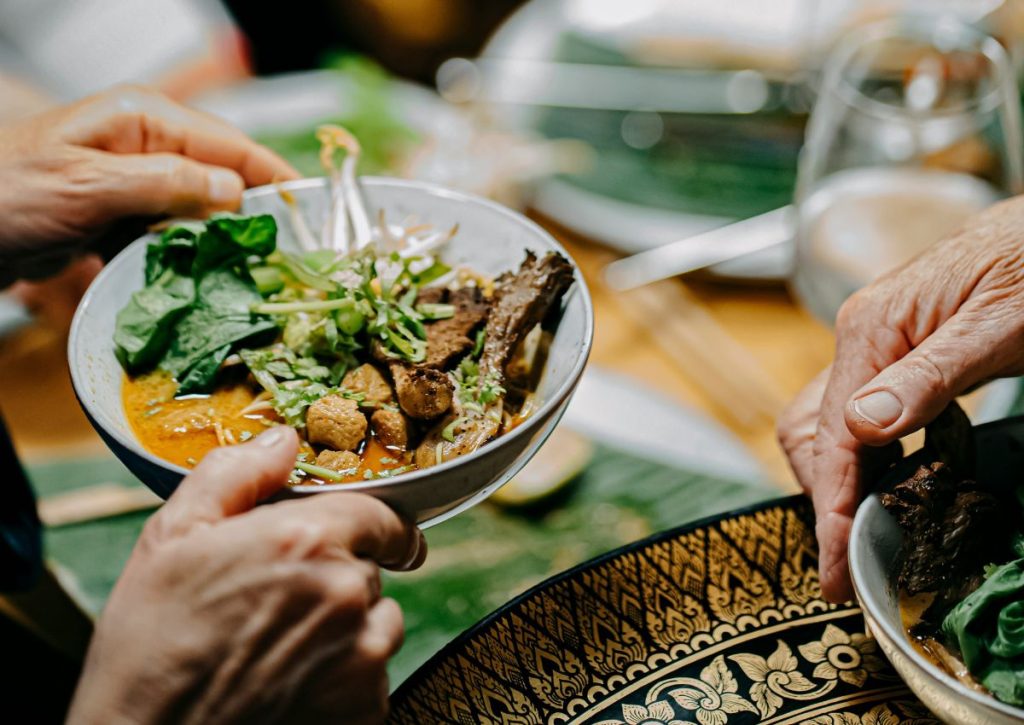
Preparing nutritious, tasty food during visits shows care for their wellbeing and creates opportunities for connection. Sharing meals encourages conversation, teaches healthy habits, and turns eating into a warm, social occasion. This nurturing habit links your presence to comfort and care.
23. Offer Unconditional Love and Attention

Grandkids need to feel truly seen and loved for who they are. Offering your full attention during your visits, free from distractions like phones or chores, makes them feel important. This kind of undivided focus creates a safe space where they can express themselves openly and feel cherished. It’s these moments of unconditional love and presence that build the foundation for a strong, lasting relationship.
24. Encourage Creative Play and Imagination
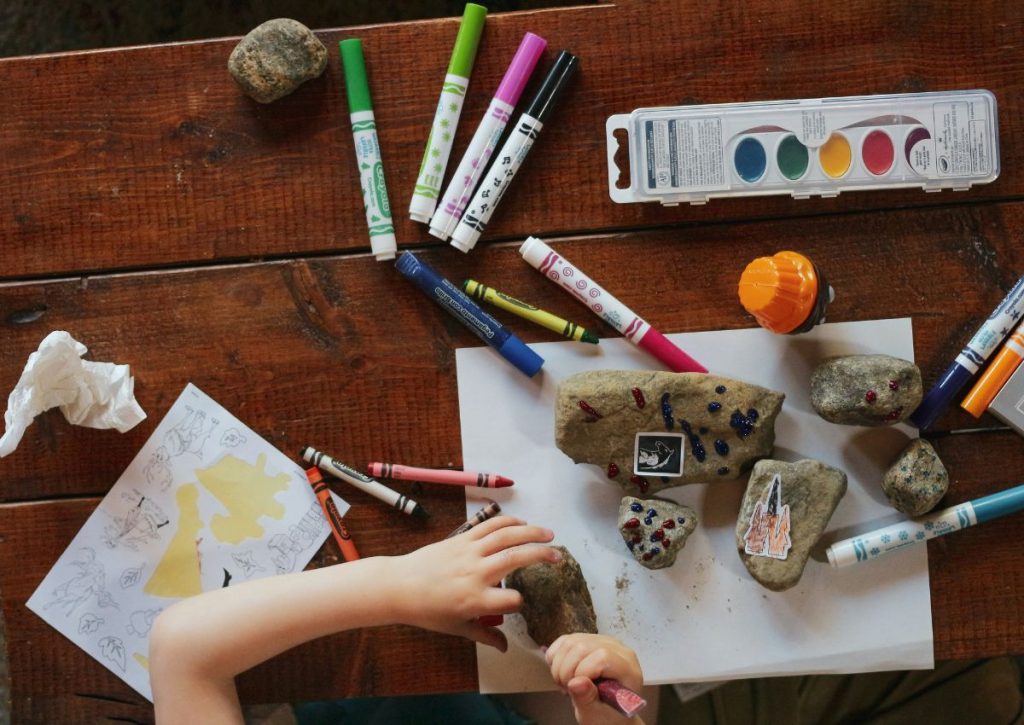
Engaging in imaginative games, crafts, or storytelling invites your grandkids into a world of creativity. This not only strengthens your bond but also supports their cognitive and emotional development. Whether building forts, painting, or inventing stories, your enthusiasm for their creative ideas boosts their confidence and provides joyful experiences that they’ll remember fondly.
25. Be a Calm, Steady Presence

Children often look to grandparents as anchors in their sometimes chaotic worlds. Maintaining a calm and patient demeanor helps soothe their anxieties and teaches them emotional regulation by example. When you remain steady during tantrums or stressful moments, you become a reliable refuge they can trust, which deepens their sense of security and love.
26. Create Special Traditions Together

Grandkids love traditions that are just theirs with you—whether it’s a secret handshake, a holiday ritual, or a weekly baking session. These special routines build a sense of belonging and anticipation, making your time together unique and memorable. Traditions create lasting memories and offer kids a comforting, stable connection amidst their busy lives. Even small, consistent acts can become something they look forward to and cherish forever.
27. Be Their Biggest Cheerleader
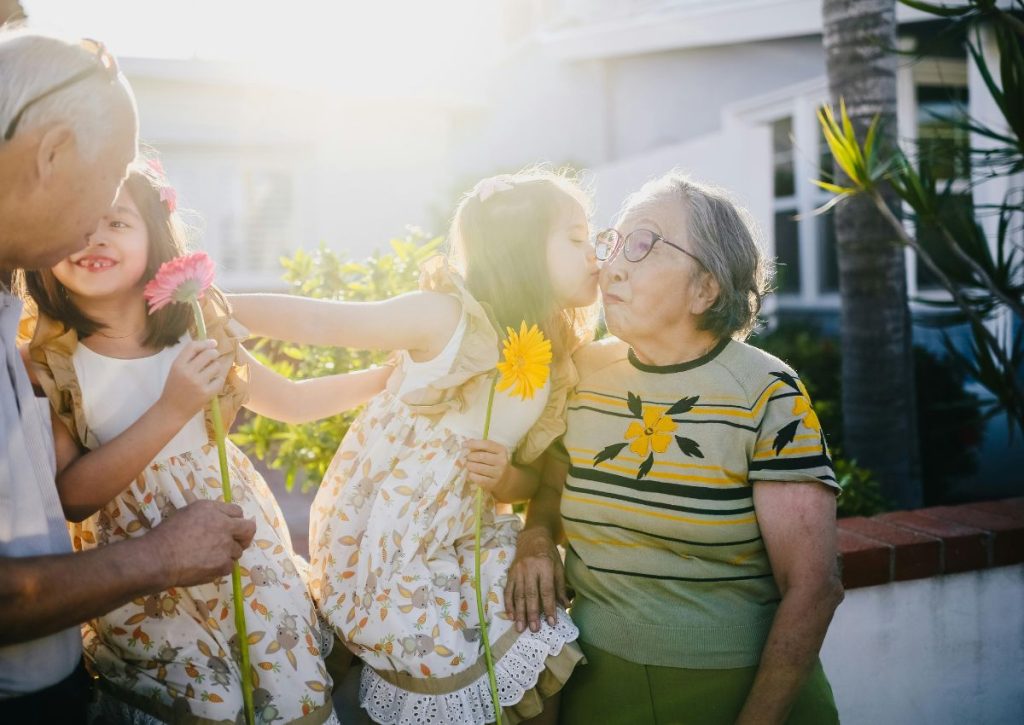
Show genuine enthusiasm for your grandkids’ achievements, big or small. Whether it’s a school project, a sports game, or a creative endeavor, your encouragement boosts their confidence and self-esteem. Listening actively and celebrating their successes without judgment shows you care deeply about their growth. This support helps kids feel valued and understood, strengthening your bond as they grow.
28. Respect Their Individuality

Every child is unique, with their own interests, quirks, and pace. Grandparents who embrace and respect these differences foster a safe space for grandkids to be themselves. Avoid comparisons or pushing them to conform to expectations. Instead, celebrate what makes each grandchild special. This acceptance builds trust and makes them feel loved unconditionally, encouraging more open, genuine connections.
29. Share Your Stories and Family History
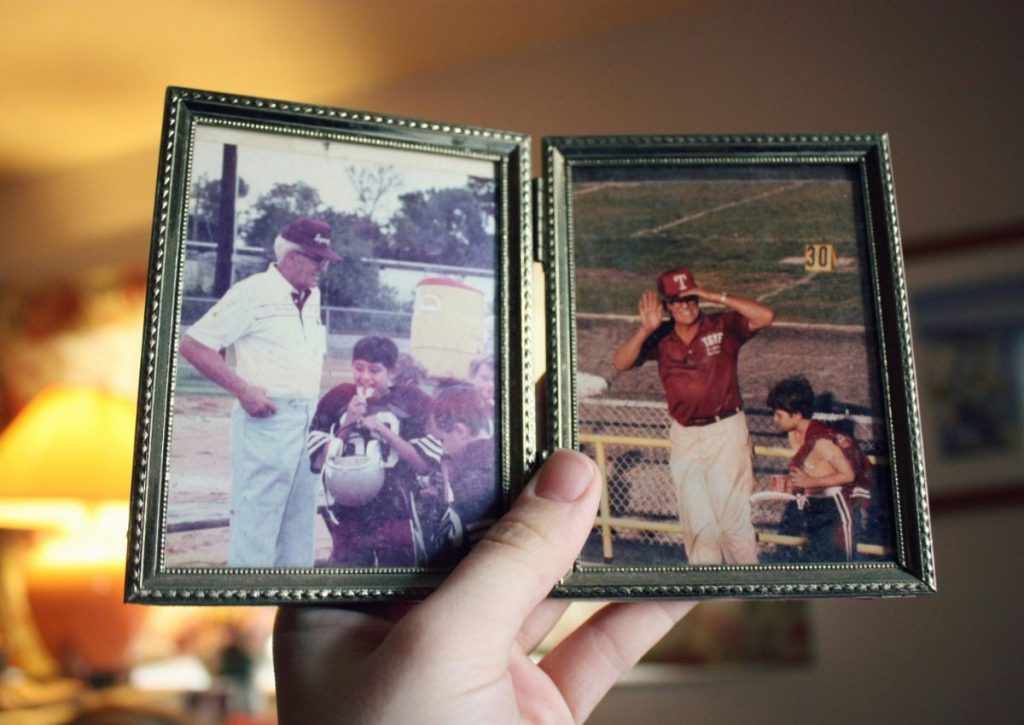
Kids love hearing about your life adventures, especially stories involving their parents or even older generations. Sharing family history helps grandkids understand where they come from, creating a sense of identity and belonging. Storytelling also invites curiosity and conversation, turning your time together into a shared journey through memories that deepen emotional ties and create a rich family legacy.
