





Grandparenting is a role like no other. It carries the sweetness of love, the gift of wisdom, and the hope of guiding another generation forward. Most of the time our hearts are in the right place, wanting only to nurture and protect.
But every now and then, small missteps can creep in without us noticing. Maybe it is giving too much, offering advice that feels out of step, or simply forgetting how family dynamics have shifted. These things happen to all of us, often with the best of intentions.
The good news is that when we recognize these moments, we can adjust with grace. And in doing so, we keep the bond with our grandchildren strong, honor the role of their parents, and create the kind of joyful connections that last a lifetime.
27. Overindulging Gifts

Showering grandchildren with toys, treats, or money may seem harmless, but it can create unrealistic expectations and entitlement. Children may begin to equate love with material rewards rather than emotional connection. Instead, focus on thoughtful gifts that foster creativity or shared experiences, like museum visits, crafting kits, or board games. These gifts encourage bonding and learning while showing love in meaningful ways.
26. Undermining Parental Rules

Ignoring or contradicting parents’ rules can confuse grandchildren and erode trust. Children need consistent boundaries to feel secure, and mixed messages from grandparents risk undermining discipline. When parents set limits, align your approach with them, even if it differs from your own style. Communicate privately with parents if you feel rules are too strict, and work together to support consistency without creating conflict.
25. Giving Unsolicited Advice

Sharing wisdom is natural, but advice that isn’t asked for can feel critical or controlling. Grandchildren and parents may interpret it as judgment, creating distance. Instead, focus on listening, offering guidance only when requested. Frame your experiences as stories rather than instructions, allowing children to learn organically. This approach respects their independence while still providing valuable insight.
24. Competing with Parents

Attempting to “win” grandchildren’s attention over parents can spark rivalry and resentment. Children notice tension and may feel torn between loyalties. Support parents openly, celebrate their achievements, and provide encouragement rather than competing for affection. Grandparental love thrives in collaboration, not rivalry, and demonstrating respect strengthens family harmony.
23. Oversharing Adult Problems

Discussing personal or marital problems in front of grandchildren can create unnecessary stress. Children may feel responsible or anxious about adult issues they cannot control. Keep conversations age-appropriate and focus on positivity. By maintaining a stable, reassuring presence, grandparents create a safe space for children to explore, play, and share without emotional burden.
22. Playing Favorites
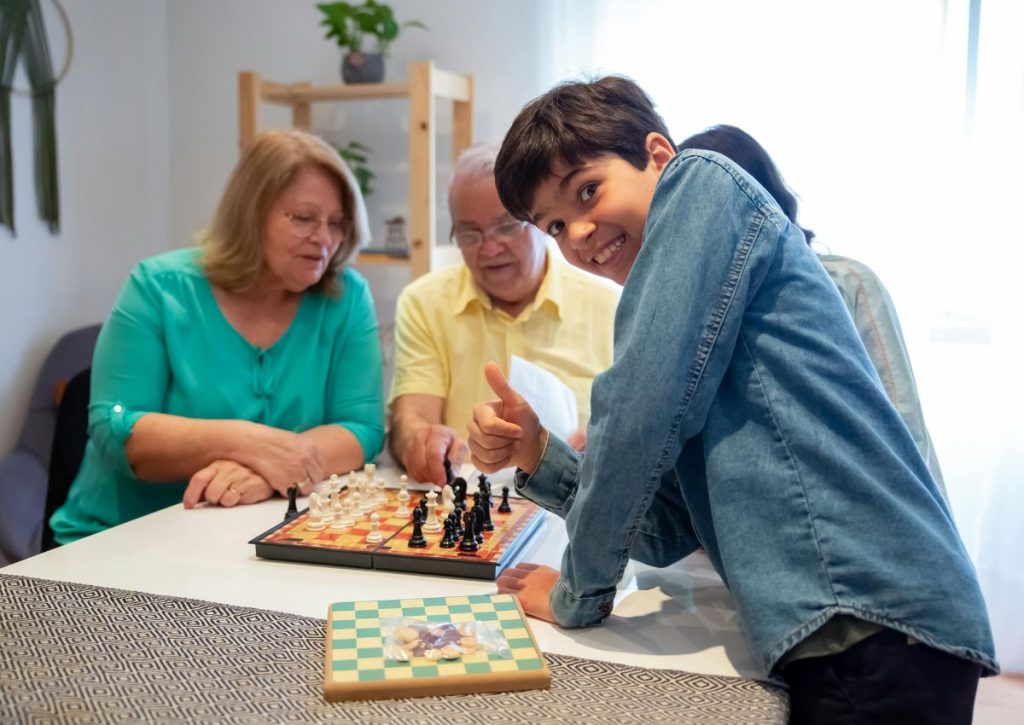
Favoring one grandchild over another can fracture sibling relationships and breed resentment. Children are highly sensitive to perceived inequality. Ensure all grandchildren receive attention, encouragement, and recognition. Celebrate individual strengths and achievements to foster fairness and connection, making each child feel valued and loved equally.
21. Being Too Lenient
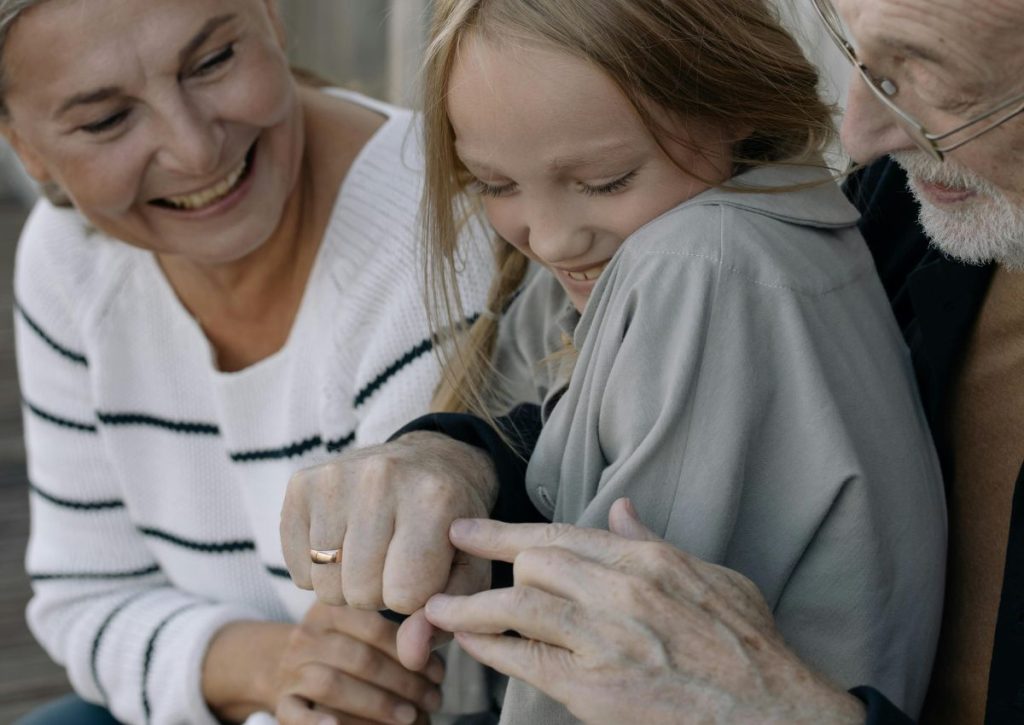
Allowing grandchildren to overstep boundaries during visits can undermine parental guidance. While fun is important, maintaining limits helps children feel secure and teaches responsibility. Clear expectations, consistent rules, and gentle corrections create a balance between freedom and structure, enhancing mutual respect and understanding.
20. Failing to Adapt to Parenting Styles

Clinging to traditional methods may conflict with modern parenting approaches. Observing and respecting current strategies allows for smoother interaction and reduces tension. Adapt where possible, offering support rather than criticism, and share your wisdom as a complement to the parents’ chosen methods rather than an opposing force.
19. Overstepping Technology Boundaries

Allowing unrestricted screen time can cause conflict with parents and hinder healthy development. Follow the household’s digital rules, balancing educational and recreational activities. Introduce children to creative apps, guided learning, or interactive games that align with family values, demonstrating care while respecting boundaries.
18. Ignoring Emotional Signals

Children communicate needs subtly through body language or mood changes. Missing these cues can create misunderstandings. Pay attention, ask gentle questions, and respond with empathy. By noticing small signals, grandparents strengthen bonds, foster trust, and teach grandchildren that their emotions are valid and valued.
17. Criticizing Parents in Front of Kids

Negative remarks about parents undermine authority and confuse children’s loyalties. Avoid public criticism, reserving discussions for private settings. Supporting parents openly reinforces respect and stability, helping children feel safe and confident in their family structure.
16. Holding Grudges from the Past

Revisiting past disagreements with parents or grandchildren fosters tension. Dwelling on old conflicts distracts from the present and may poison relationships. Focus on current moments and future possibilities, emphasizing forgiveness, patience, and the shared joy of spending time together.
15. Expecting Instant Gratitude

Children may not express thanks the way adults expect. Waiting for verbal acknowledgment can create disappointment. Instead, savor interactions without seeking explicit gratitude, fostering natural affection and connection. Love becomes unconditional rather than transactional, enhancing emotional bonds.
14. Overplanning Activities

Packing visits with constant activities can overwhelm both grandparents and grandchildren. Balance structured fun with downtime for relaxation, creativity, or spontaneous play. Allowing children to choose activities occasionally gives them agency and makes time together feel enjoyable rather than stressful.
13. Ignoring Boundaries Around Food

Disregarding dietary restrictions, allergies, or preferences risks health issues and tension. Respect family rules and model mindful eating. Introducing new foods gently and ensuring meals align with household guidelines demonstrates care and reinforces safety and respect.
12. Becoming the “Rescue” Grandparent

Stepping in to solve every problem can hinder children’s independence. Encourage problem-solving and self-reliance while offering guidance. Letting grandchildren navigate challenges fosters resilience, confidence, and mutual respect, showing love without taking control.
11. Using Guilt to Influence

Statements like “If you loved me, you’d…” manipulate emotions and create resentment. Focus on honest communication, expressing feelings and needs without guilt. This encourages healthy, respectful relationships and teaches children to value empathy over obligation.
10. Relying Too Much on Memories
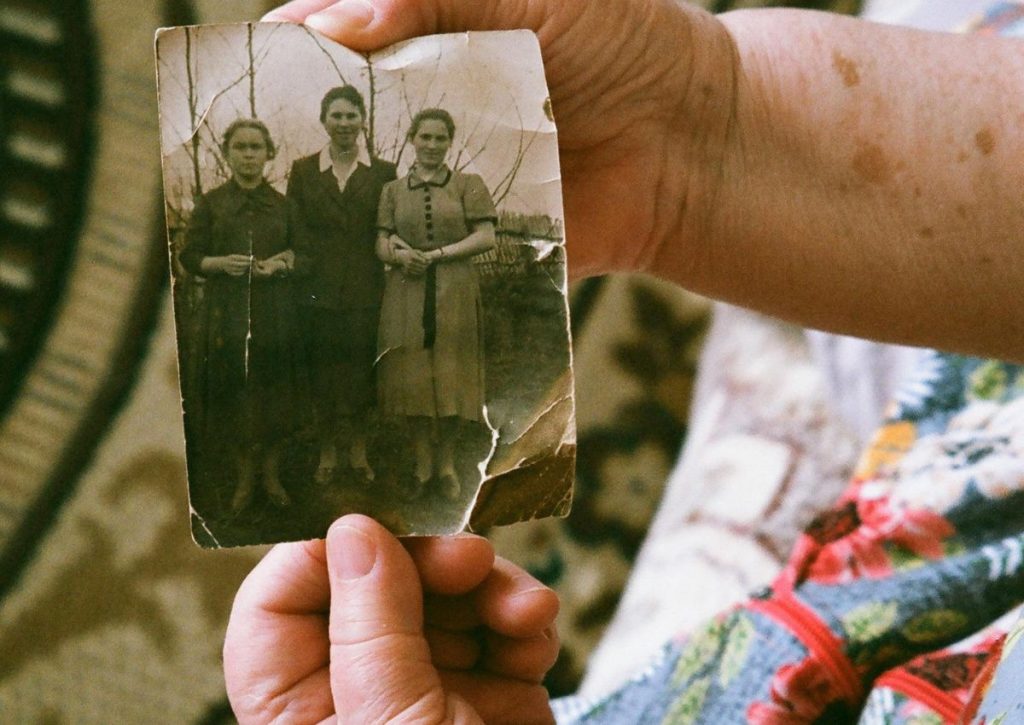
Comparing grandchildren to your own children’s past achievements can feel judgmental. Celebrate their individuality and unique strengths instead of expecting them to follow past patterns. Honoring their differences encourages confidence and fosters positive, unconditional support.
9. Dismissing New Ideas

Rejecting modern parenting or learning methods creates tension. Stay open-minded, valuing innovation while gently sharing your experiences. Encouraging exploration of new ideas demonstrates curiosity, respect, and willingness to support growth across generations.
8. Neglecting Self-Care

Overextending yourself can lead to exhaustion, irritability, or reduced patience. Prioritizing rest, nutrition, exercise, and personal time ensures you remain present and attentive. Healthy grandparents are better equipped to provide support, guidance, and enjoyment during visits.
7. Forgetting to Listen

Dominating conversations or repeatedly telling stories can alienate grandchildren. Listen actively, ask questions, and show genuine interest in their thoughts and experiences. Children feel valued when heard, strengthening trust and deepening emotional bonds.
6. Overlooking Safety Concerns
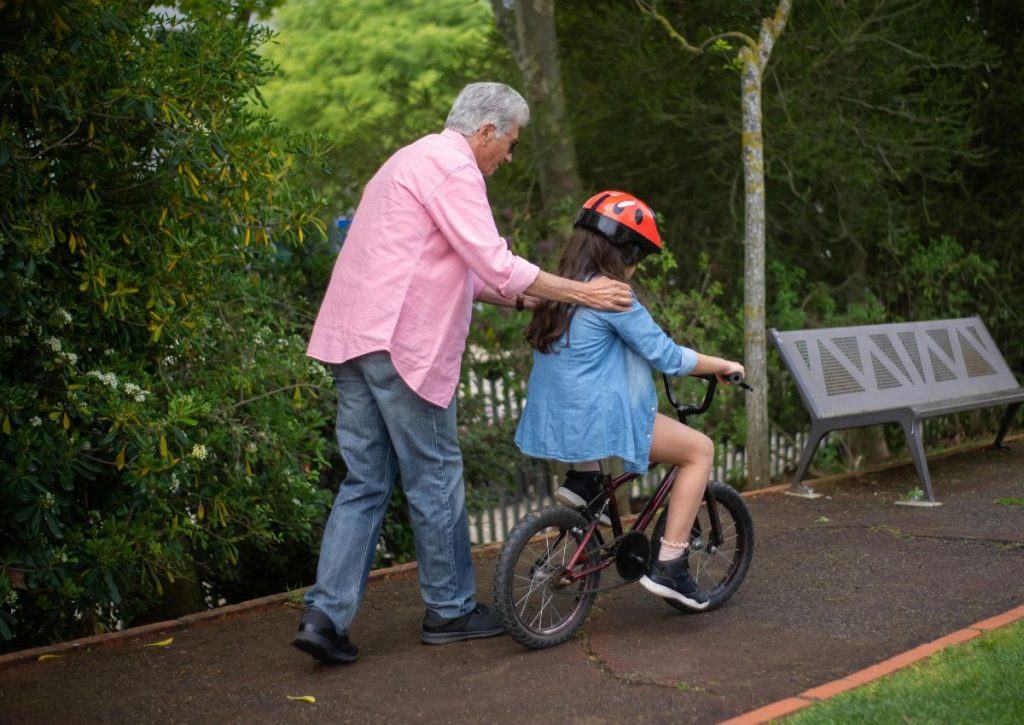
Failing to supervise hazards or risky activities can result in accidents. Ensure the environment is safe while encouraging independence. Teaching children to navigate challenges responsibly fosters confidence and demonstrates care without overprotection.
5. Being Overly Critical

Pointing out flaws too often damages self-esteem. Emphasize effort, progress, and curiosity rather than perfection. Constructive guidance encourages growth, resilience, and confidence, making children feel supported rather than judged.
4. Failing to Embrace Change

Grandchildren grow and evolve rapidly. Clinging to outdated expectations may create disappointment. Celebrate their development, embrace their interests, and adapt interactions accordingly, fostering flexibility and mutual respect.
3. Comparing Siblings

Highlighting differences or ranking achievements fosters rivalry and insecurity. Emphasize each child’s unique talents, encouraging collaboration and empathy. Positive reinforcement builds confidence and strengthens sibling relationships.
2. Ignoring Cultural or Family Values

Neglecting to uphold traditions, language, or heritage creates disconnect. Share meaningful customs thoughtfully, blending continuity with modern life. This fosters identity, pride, and intergenerational connection while respecting evolving family dynamics.
1. Expecting to Be Indispensable

While love is natural, assuming a central role at all times can create pressure. Focus on quality interactions, shared joy, and support, letting parents lead when appropriate. Strong, balanced relationships thrive on mutual respect and shared responsibility.
