





Every parent faces moments when discipline is necessary, yet the fear of saying or doing the wrong thing lingers. Discipline, when done with love, is not about tearing down—it is about guiding. The key is correcting behavior without wounding the heart, so children walk away learning a lesson while still feeling safe, valued, and deeply loved.
Understanding Discipline vs. Punishment

Discipline and punishment are often confused yet fundamentally different. While discipline aims to teach and guide, punishment typically seeks control through fear or shame. Imagine a child who makes a mistake; discipline involves explaining why the behavior is unacceptable and guiding them toward better choices. This approach fosters understanding and personal growth, rather than instilling fear of consequences. By focusing on correction instead of retribution, parents can help children learn constructive ways to handle similar situations in the future.
The Role of Empathy in Discipline

Empathy is a powerful tool in effective discipline. When parents approach situations from their child’s perspective, it fosters trust and understanding. Consider a child upset about leaving a playdate; instead of dismissing their feelings, acknowledge them: “I see you’re sad to leave your friend, but we’ll visit again soon.” This empathy not only soothes emotions but also teaches children to express themselves respectfully. By validating their feelings, you’re not just disciplining but nurturing a stronger emotional bond.
Positive Reinforcement Techniques
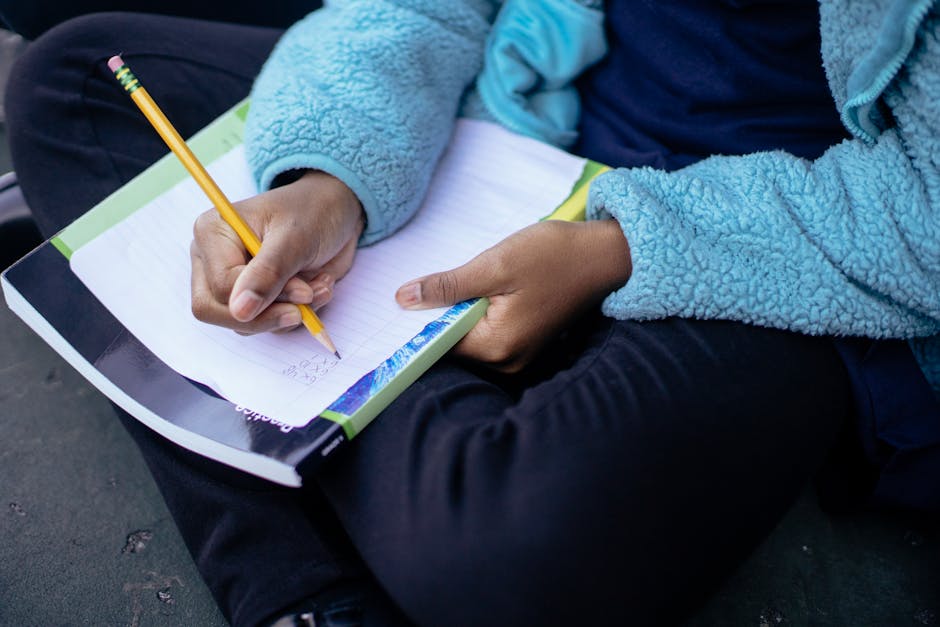
Positive reinforcement is about encouraging desirable behaviors through rewards and recognition. For instance, if a child completes their homework without reminders, praise their initiative: “Great job on finishing your homework!” This affirmation not only boosts their confidence but motivates them to repeat the behavior. Positive reinforcement shifts focus from what children are doing wrong to what they are doing right, building self-esteem and promoting a culture of appreciation and achievement within the family dynamic.
Setting Clear and Consistent Boundaries

Clarity and consistency in boundaries provide a framework within which children thrive. Setting rules like “homework before playtime” creates expectations that are easy to understand and follow. It’s crucial to communicate these boundaries clearly and enforce them consistently to avoid confusion. Consistency reassures children that they can rely on a predictable structure, which in turn helps them feel secure and confident. This approach minimizes power struggles and promotes a harmonious family environment.
Communicating with Respect and Patience

Respectful and patient communication is key in guiding children effectively. When addressing misbehavior, use a calm tone and specific language: “I noticed you were upset and hit your sister. Let’s talk about better ways to express your feelings.” Such conversations demonstrate respect for their emotions and encourage self-expression. Maintaining patience, even during challenging interactions, reinforces a sense of safety and respect, emphasizing that mistakes are opportunities for learning rather than occasions for harsh reprimand.
Modeling Behavior You Want to See

Children learn by observing the adults around them, making it vital to model the behavior you wish to see. Demonstrating patience, kindness, and effective communication in your daily interactions provides children with a blueprint for their conduct. If a family member is frustrated, show how to handle the situation calmly and constructively. This practice not only affirms the values you’re teaching but also builds a foundation of respect and empathy that your children can emulate and carry into their own relationships.
The Power of Praise and Encouragement

Encouragement fuels a child’s desire to strive and grow. Instead of focusing solely on achievements, acknowledge effort and progress: “I saw how hard you worked on that project. Your dedication is impressive!” This kind of praise instills a sense of competence and resilience, motivating children to embrace challenges with confidence. By celebrating their efforts, you reinforce the value of perseverance and help them build a positive self-image, essential for navigating life’s ups and downs.
Learning from Mistakes Together

Turning mistakes into learning opportunities is a cornerstone of healthy discipline. When a child errs, discuss what happened and explore solutions together: “What can we do differently next time?” This collaborative approach reinforces problem-solving skills and accountability without diminishing their self-worth. By focusing on solutions rather than blame, you empower children to view setbacks as valuable lessons, fostering a growth mindset that encourages adaptability and resilience in the face of future challenges.
Balancing Freedom and Responsibility

Granting children freedom within a framework of responsibility nurtures independence and accountability. Allow them to make age-appropriate choices, like choosing school activities or managing their schedule, while discussing the consequences of those decisions. This balance teaches them to weigh options and understand the impact of their choices. By entrusting them with responsibilities, you signal faith in their abilities, which boosts confidence and encourages them to take ownership of their actions while feeling supported in their growth journey.
