





Guest rooms are meant to be welcoming, but it’s easy to miss the little things that truly make visitors feel at home. Women over 50 often focus on tidiness and essentials, yet forget subtle details that can unintentionally cause discomfort. Whether it’s missing hooks, overpowering scents, or a lack of privacy, these oversights can make guests feel out of place. Fortunately, each one has a simple fix. This list reveals the most commonly forgotten guest-room details and offers easy solutions to ensure your space is warm, inviting, and never awkward for your visitors.
1. No Place to Hang Clothes

Guests don’t want to live out of their suitcase. If the room has no closet or hangers, they’re left draping clothing over chairs or doors, which feels temporary and uncomfortable. Even a simple over-the-door hook or a small rack can offer a sense of order and ease. A few wooden hangers go a long way in showing thoughtfulness. If space is limited, a standing coat rack or multi-hook wall hanger also works well. Making space for their belongings instantly makes guests feel more considered and at home.
2. Overpowering Air Fresheners or Scented Candles
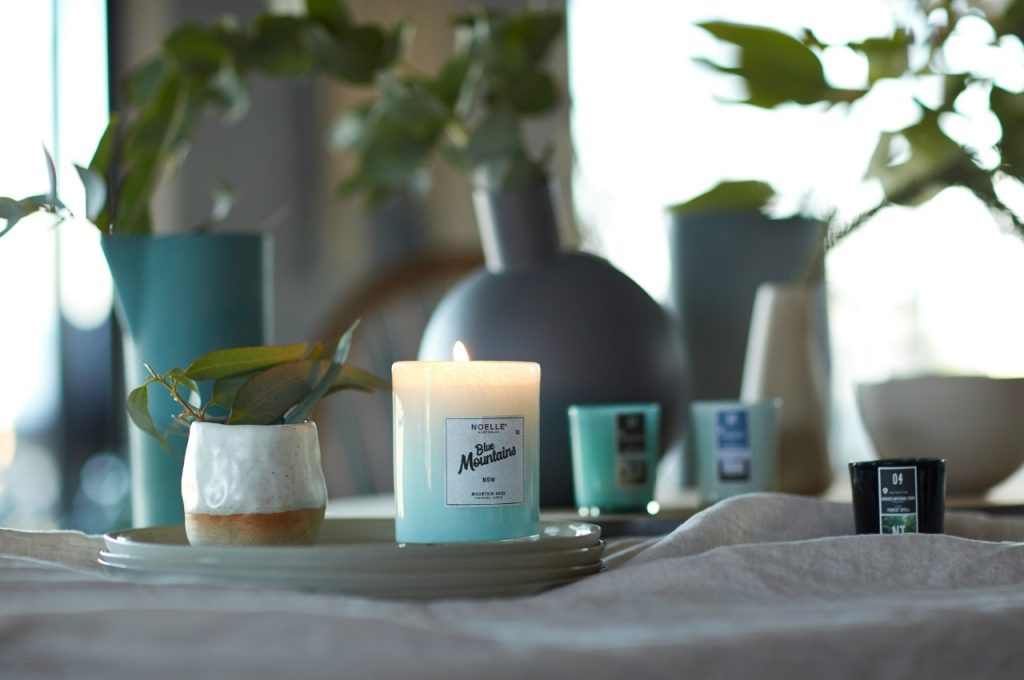
Strong fragrances can trigger allergies or headaches, especially in a closed-off space like a guest room. While you might love a heavily perfumed candle, your guests may feel overwhelmed or uncomfortable. Skip the plug-ins and stick to lightly scented linen sprays or natural smells like fresh flowers or citrus. Always air out the room beforehand and let fresh air circulate. When in doubt, less is more. A neutral-smelling space is safer and more pleasant for everyone, ensuring guests feel welcome instead of suffocated by scent.
3. Cluttered Surfaces Everywhere
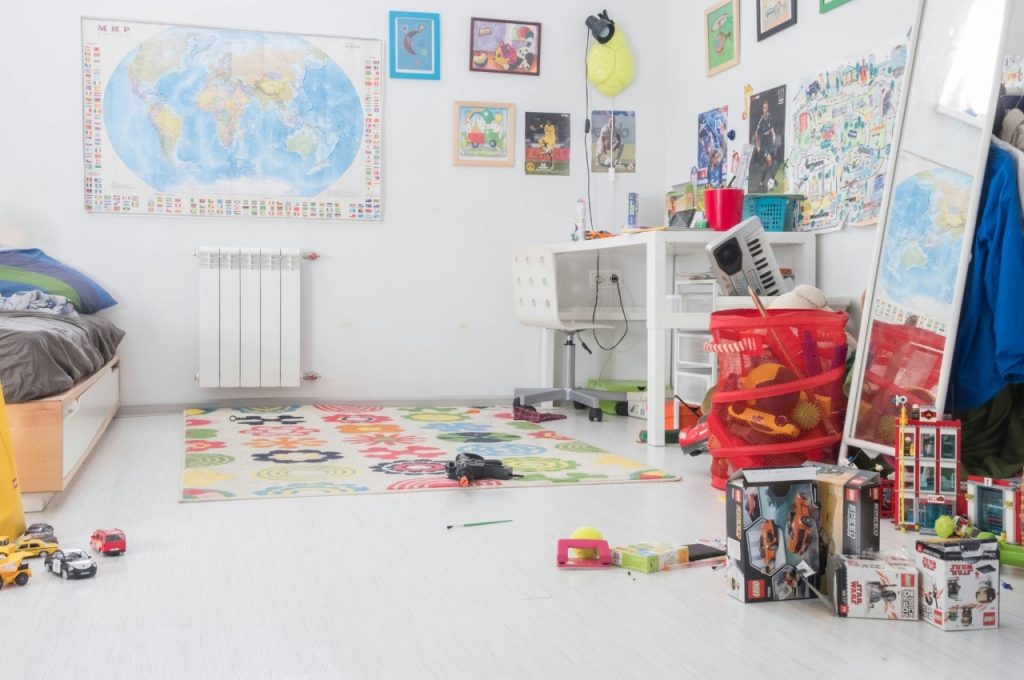
Visitors need surfaces to place their belongings, and if every dresser and nightstand is crowded with your stuff, it sends the message there’s no room for them. Remove old magazines, knick-knacks, and half-burned candles. Leave surfaces clear or place just one small item like a lamp or a book. A tidy tabletop lets guests unpack and feel organized. It also gives the room a calming appearance, avoiding that “storage closet” feel. Not only is clear space useful, but it also conveys consideration and care for your visitors’ comfort.
4. No Trash Can in the Room
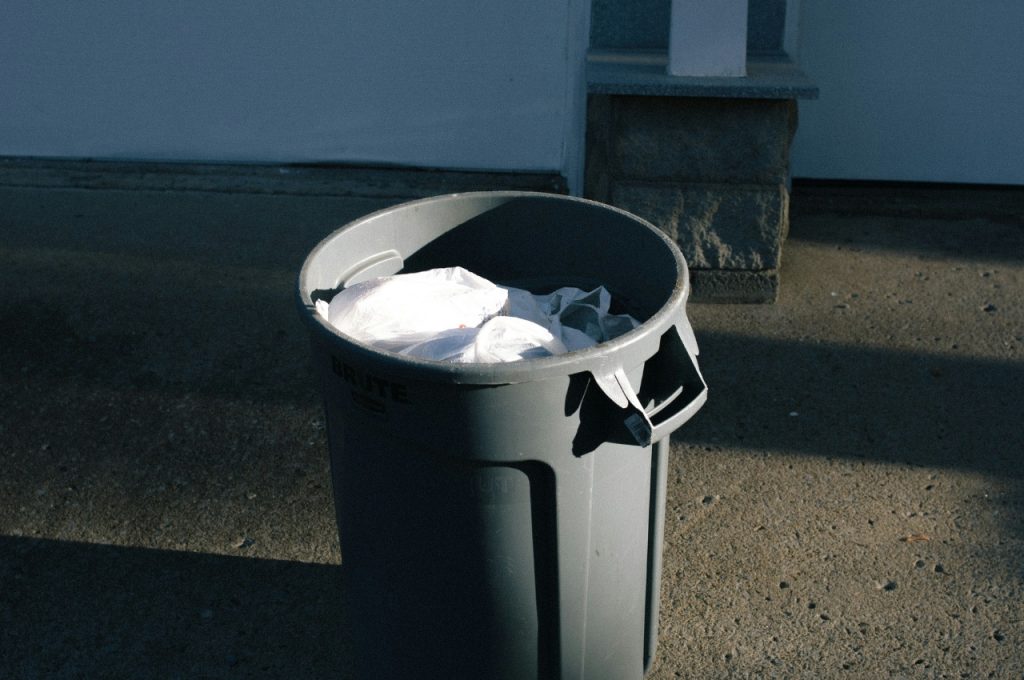
No one wants to carry around used tissues or snack wrappers while searching for a place to toss them. A small, discreet trash can inside the guest room is one of the most overlooked essentials. It only needs to be neat and obvious; it doesn’t need to be elaborate. Choose a covered option if you want to keep things neat. This simple addition shows that you’ve considered your guest’s needs. It allows them to tidy up on their own without having to ask or feel awkward.
5. Dated or Dusty Décor
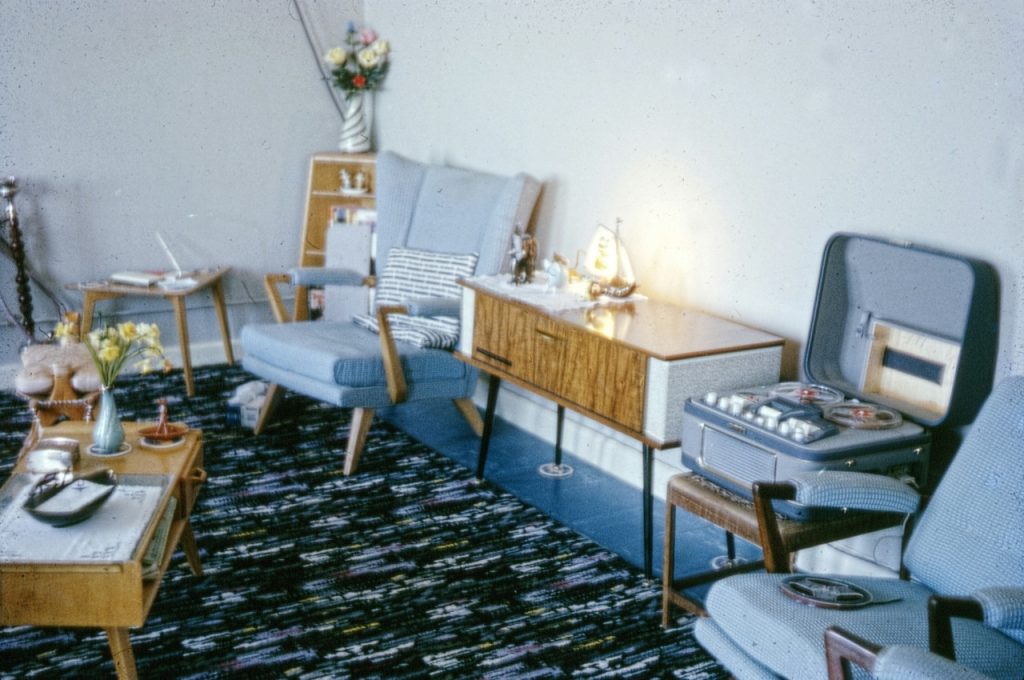
Outdated decor, faded throw pillows, or overly busy patterns can make a space feel more like a forgotten storage room than a guest retreat. Your guests might not say anything, but mismatched or dusty elements can be visually uninviting. A refresh with light colors, simple bedding, and clean lines creates a calm and welcoming environment. Even switching out one or two items can dramatically improve the overall feel of the space. Cleanliness and a neutral palette go further than decorative excess in making guests feel at ease.
6. Personal Belongings Left in the Room

Leaving personal items like old clothes, personal books, or paperwork in the guest room can make visitors feel like they’re intruding. Even if it’s just a few items, it subtly signals that the room isn’t truly theirs during the stay. Take a few minutes to clear drawers and remove anything that doesn’t belong. A guest room should feel like a dedicated space, not a borrowed one. Offering empty drawers or shelf space encourages guests to unpack and settle in comfortably without feeling like they’re displacing you.
7. No Place to Charge Devices
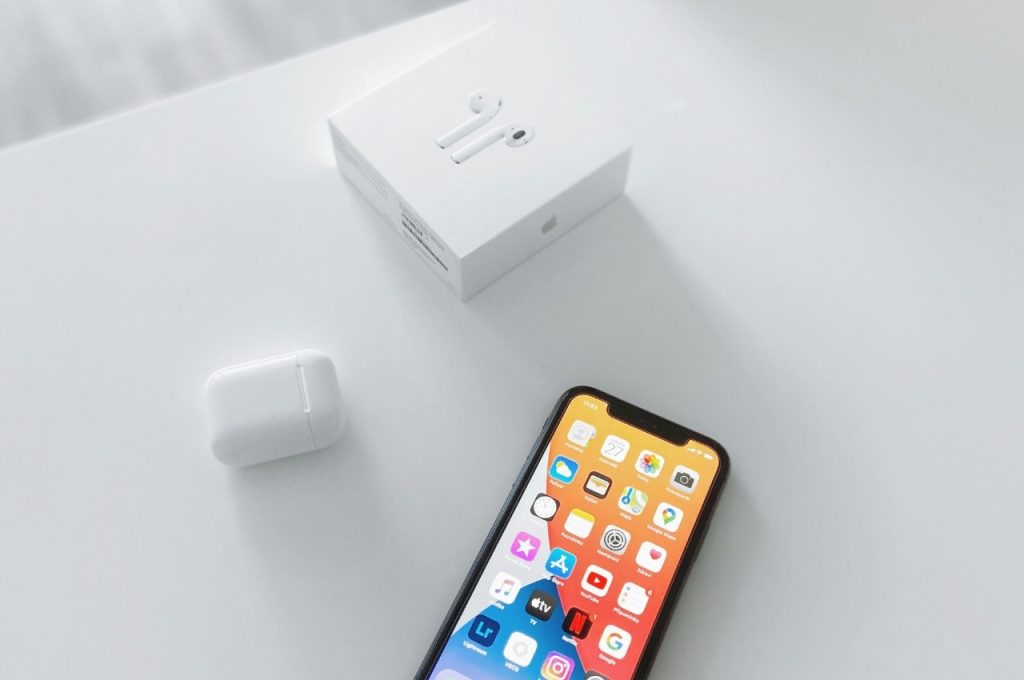
In today’s digital age, guests almost always need to charge phones, tablets, or laptops. If the only available outlet is behind a heavy bed or already used by lamps, it creates an unnecessary hassle. Provide a power strip or a charging station on the nightstand or desk. Even better, leave a note or small sign showing where outlets are located. This simple addition avoids awkward moments of guests crawling on the floor looking for power. It’s thoughtful, modern, and always appreciated.
8. Lack of a Bedside Light
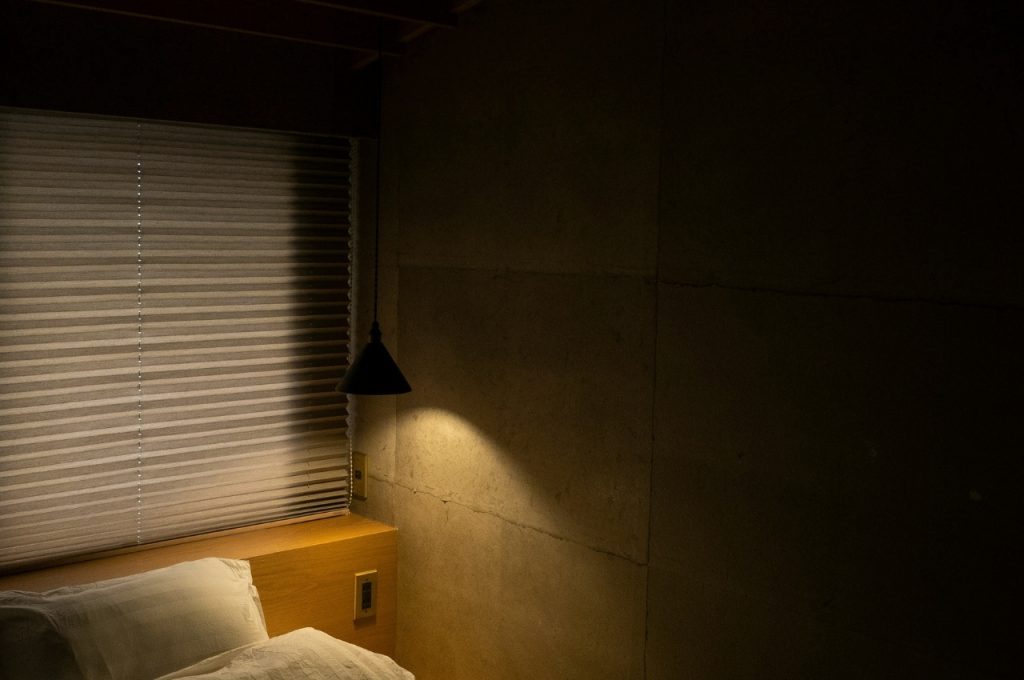
Not everyone wants to sleep or wake up at the same time. In the absence of a bedside lamp, visitors might feel compelled to stand up in order to switch off a ceiling light, or worse, they might trip in the dark. A small lamp on each side of the bed (if it’s a double) or even a clip-on light helps add comfort and independence. It also makes the room feel more like a personal space rather than a generic setup. Lighting matters, and good lighting feels inviting and safe.
9. Forgetting to Leave Extra Towels
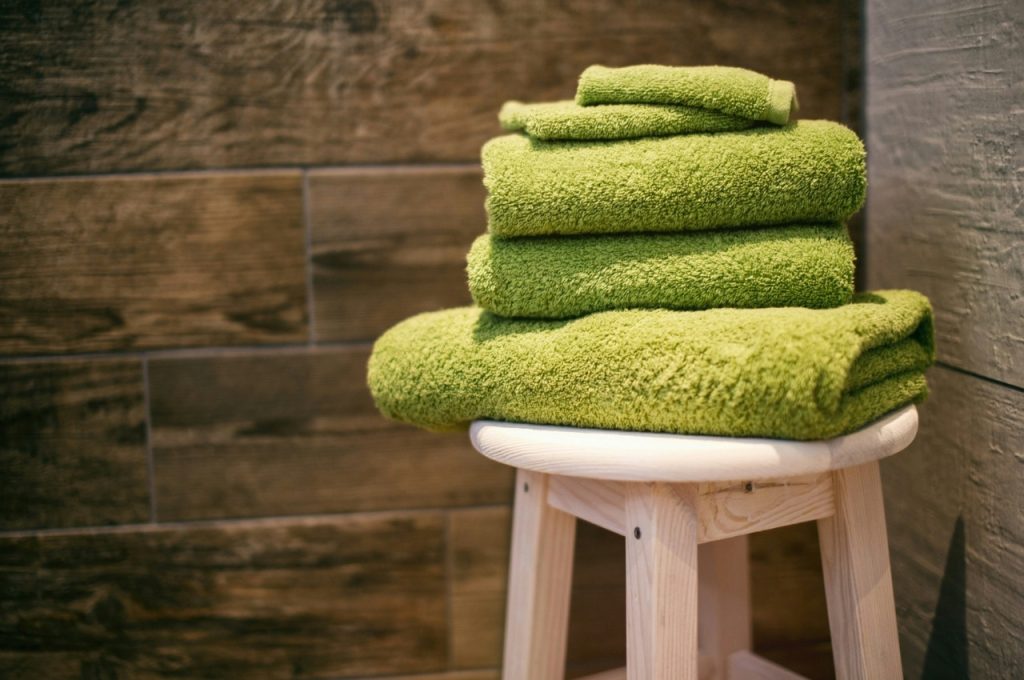
Guests often don’t want to ask for extras, so leaving just one towel may leave them struggling. Provide a stack of two or three clean towels, including a hand towel and washcloth, to cover all their needs. Place them in plain sight on the bed or a chair. If you want to go the extra mile, include a labeled basket or rolled towel set. It’s a detail that adds luxury and convenience while sparing your guest from uncomfortable questions or assumptions.
10. No Mirror in the Room
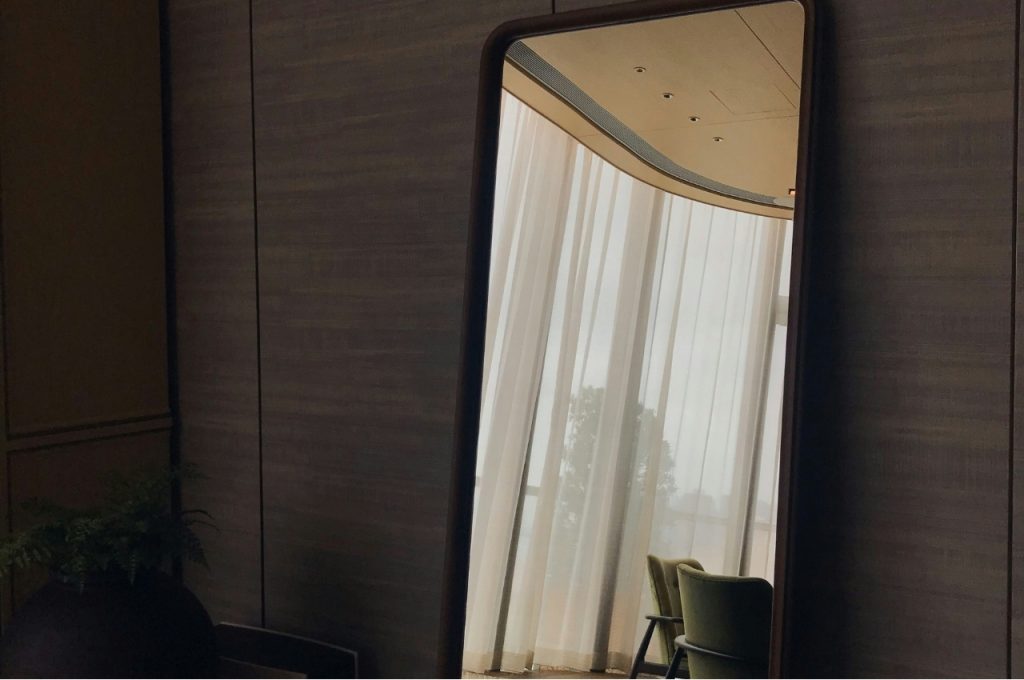
Getting ready without a mirror is awkward, especially if the bathroom is occupied. A full-length mirror or even a medium-sized wall mirror in the room lets guests feel independent. They can check their outfit, fix their hair, or apply makeup without having to wait. Mirrors also help the room feel larger and brighter. If space is tight, hang one behind a door or on a closet panel. It’s a practical touch that boosts comfort and saves guests from unnecessary back-and-forth between rooms.
11. No Extra Blanket or Throw
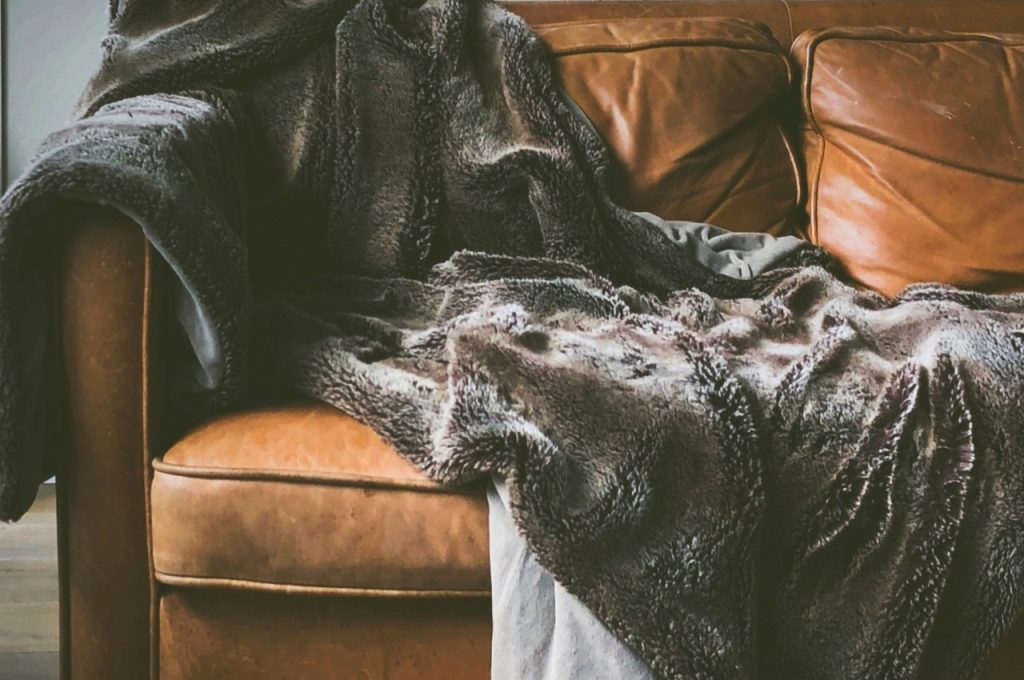
Not everyone sleeps at the same temperature. If your guest room lacks an extra blanket or throw, visitors may spend a chilly night rather than bother you. A simple folded blanket at the foot of the bed provides both comfort and aesthetic charm. Look for lightweight, neutral styles that suit different seasons. Even in summer, air conditioning can feel too cold. This thoughtful touch signals care and helps your guest relax without second-guessing your hospitality.
12. No Luggage Rack or Space to Unpack
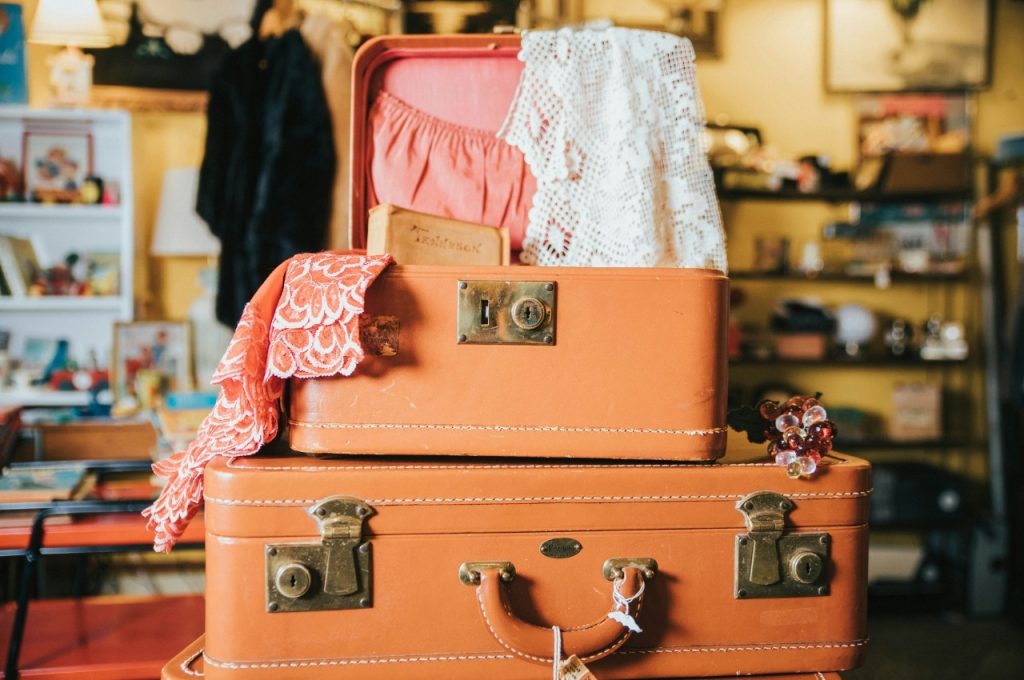
A suitcase on the floor feels inconvenient and makes the room look cluttered. Without a designated spot to open or store luggage, guests often struggle. A folding luggage rack or a cleared bench at the foot of the bed can help immensely. If your guest room has drawers or closet space, leave a few hangers and tell your guest it’s fine to unpack. This small detail helps them feel settled and welcomed, not like they’re living out of a bag.
13. Old or Flat Pillows

Worn-out pillows that have lost their fluff can lead to a restless night. Even worse, they may appear stained or lumpy. Investing in fresh pillows and offering options with different firmness levels can transform the experience. Place them with clean, crisp pillowcases and store extras in the closet. This simple upgrade makes the bed feel more inviting and prevents guests from stacking throw pillows just to support their head.
14. No Window Coverings or Privacy
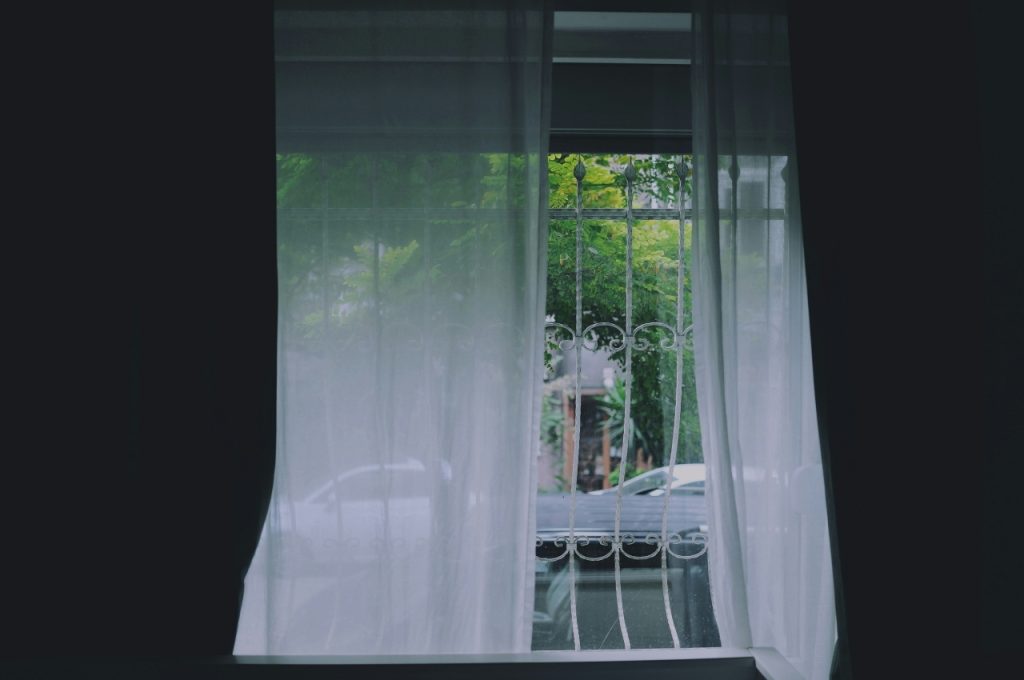
Bare windows can feel unsettling for guests, especially at night. Without proper curtains or blinds, they may feel exposed to the outside. Sheer curtains let in light but offer no privacy. Consider installing layered options so your guests can adjust as needed. Blockout shades are ideal for sleep, and a second sheer layer allows daylight while keeping things private. This detail helps guests feel secure and relaxed in their temporary space.
15. Dirty or Worn Rugs and Carpets
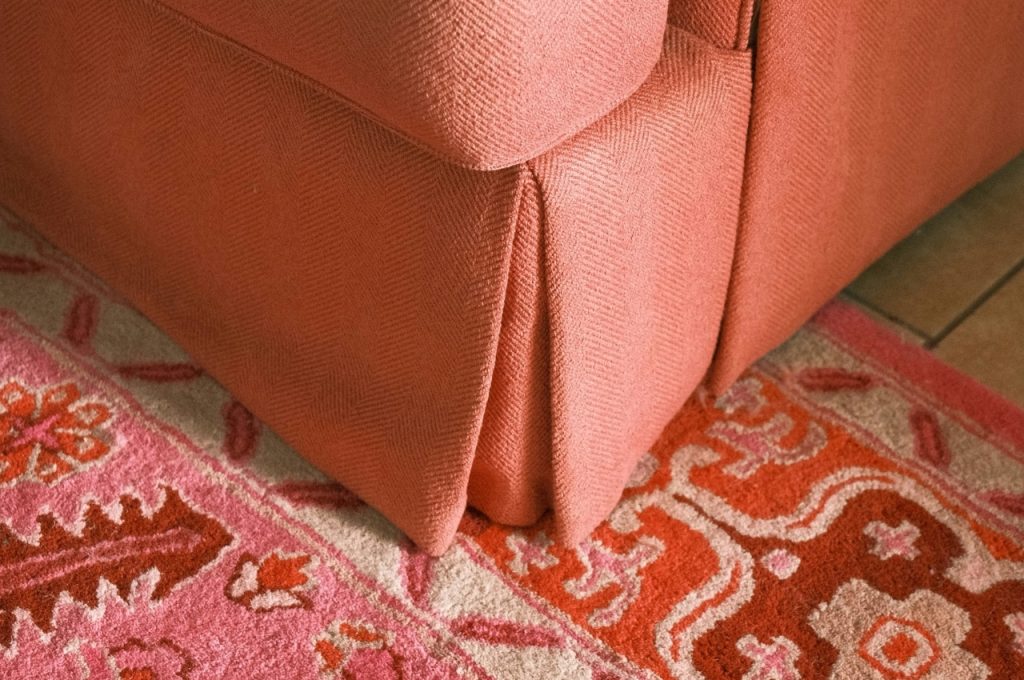
Rugs often go unnoticed but can leave a lasting impression. A stained or frayed rug makes a guest room feel unkempt, even if everything else is clean. Vacuum the carpet, spot-clean stains, or replace old rugs with fresh, affordable alternatives. A clean rug also adds warmth and sound insulation. These small maintenance details are often overlooked but make a big difference in how fresh and welcoming the space feels.
16. Creaky Doors or Noisy Fixtures

A door that creaks loudly every time it opens can be embarrassing for guests trying not to disturb others. Add some WD-40 to quiet squeaks or tighten any loose hardware. Also check if the fan, heater, or light fixtures make unpleasant sounds. These small mechanical quirks are often overlooked but can disrupt sleep or make the space feel outdated. Fixing them quickly shows guests you’ve taken their comfort seriously.
17. No Spot for Keys and Wallet
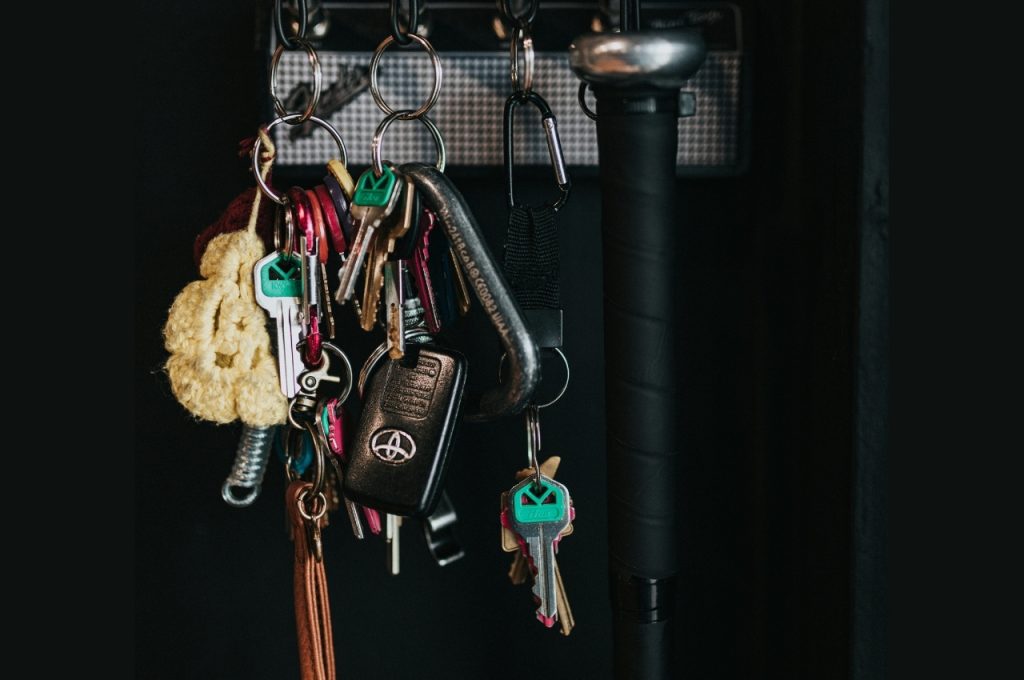
Guests often need a designated place to drop everyday essentials. Without a tray or small dish, keys, phones, and wallets get lost in the mix. A decorative bowl or small tray on the nightstand or dresser makes organization simple. It also prevents guests from forgetting their things when they leave. A small solution like this helps visitors stay organized and feel at ease in a new environment.
18. Displaying overly sentimental family photos
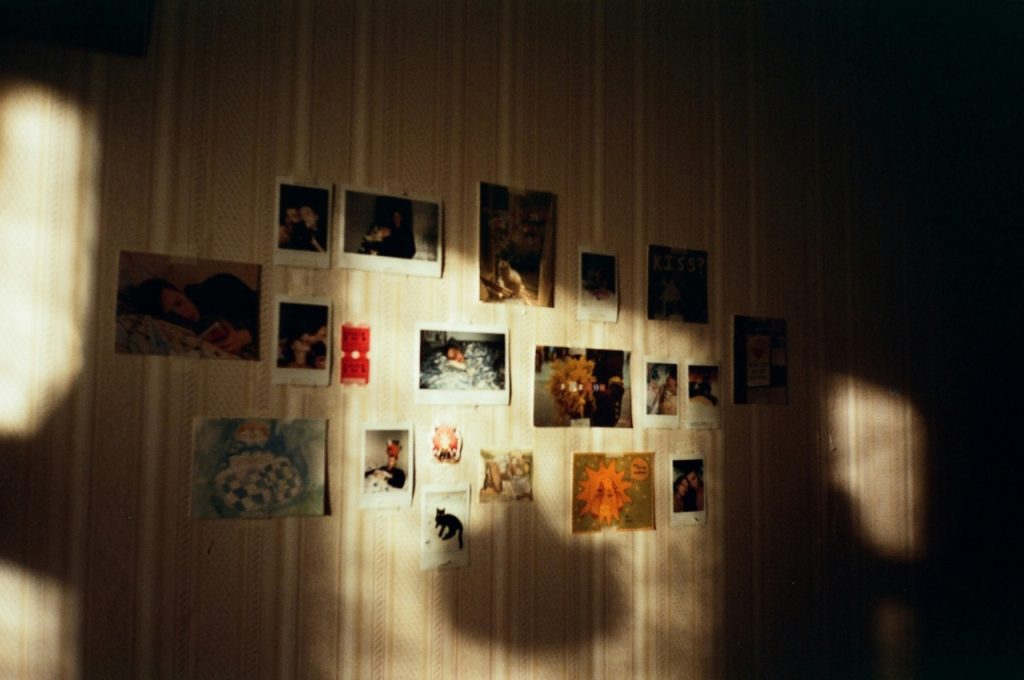
While personal touches are nice, covering the guest room in family portraits can make visitors feel like intruders in a private space. It’s hard to relax when someone’s staring at old wedding photos or baby pictures. Swap them for calming landscapes, minimalist artwork, or neutral prints. The idea is to make the space feel welcoming, not like a shrine to your memories. Simple changes to the walls can help guests feel more comfortable and less like outsiders.
19. Keeping complicated remotes or electronics without instructions
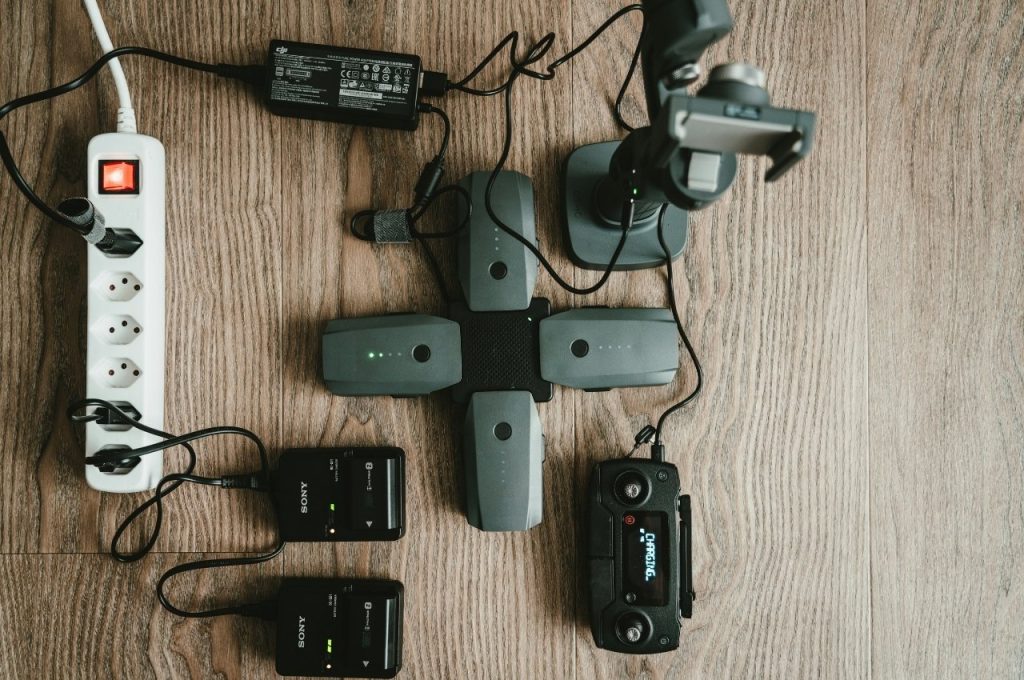
Leaving guests to figure out multiple remotes, fan settings, or smart lights without instructions can make them feel confused and awkward. A quick note explaining how to use the TV, lights, or even Wi-Fi can be a lifesaver. Print it out or write it clearly in a small frame or notebook on the nightstand. Simplifying their experience with electronics shows attention to detail and spares your guests from fumbling through unfamiliar tech during their stay.
20. Forgetting to clear personal items from drawers
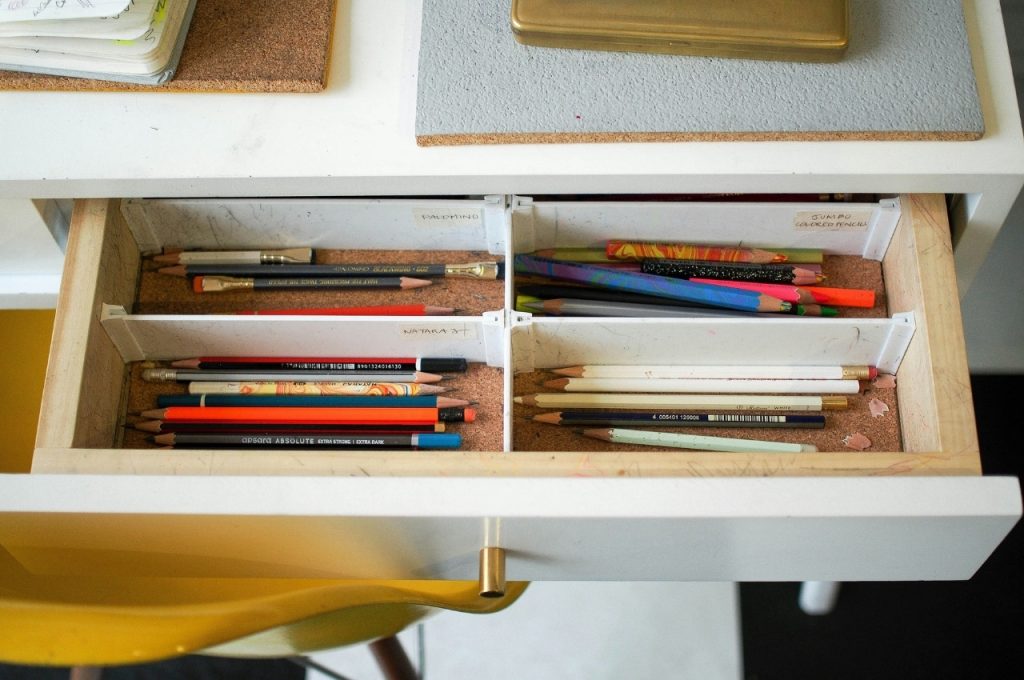
Guests often open drawers expecting space for their belongings, only to find your old scarves, receipts, or tech accessories crammed inside. It sends the message that the room isn’t truly meant for them. Clearing out at least one drawer gives them privacy and a sense of ownership during their stay. It also adds a layer of hospitality that doesn’t cost a thing. Make room for them, and they’ll feel like they genuinely belong there.
21. Not setting out drinking glasses or a water carafe

Your guest shouldn’t have to search the kitchen in the middle of the night for water. Providing a couple of clean glasses and a pitcher or bottle makes them feel cared for. Place it on the nightstand or a small tray with a note if the water is filtered or from the tap. This small act of foresight eliminates an awkward moment and enhances your guest’s experience with convenience and ease.
22. Using a noisy or old ceiling fan without checking it
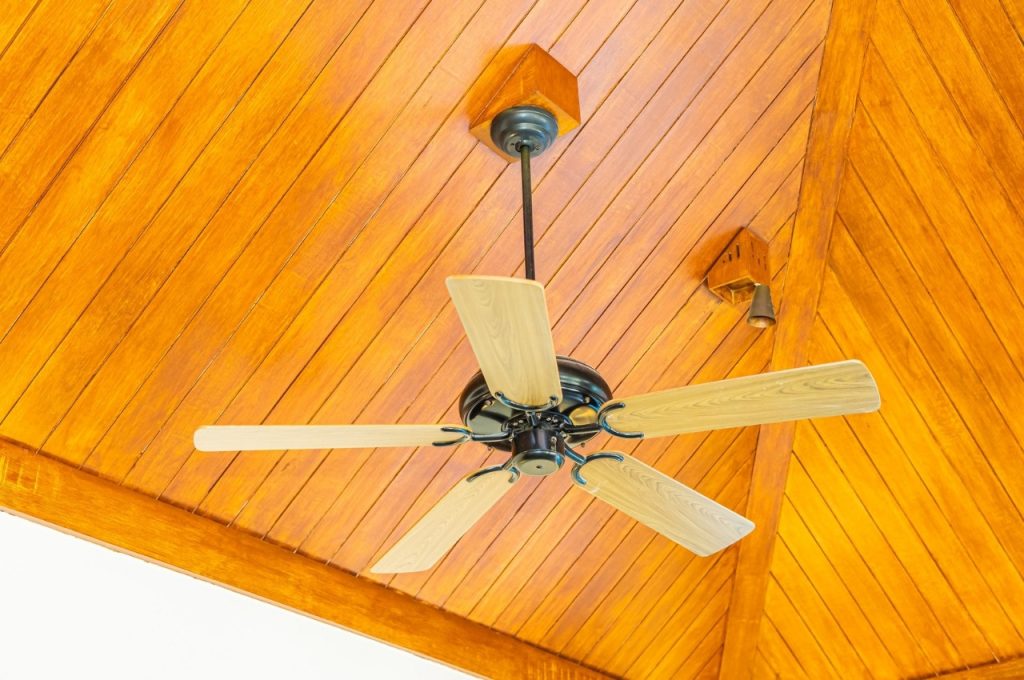
That wobbling or squeaky ceiling fan may not bother you, but to a guest trying to fall asleep, it’s a major distraction. Guests won’t always feel comfortable complaining, so take time to test and fix any rattling or off-balance fans. A quiet, functional fan can help regulate temperature and block outside noise, improving your guest’s sleep. It’s a small maintenance check that can make a big difference in hospitality.
23. Not offering feminine hygiene products or basic toiletries

Forgetting a toothbrush or razor is common, but needing feminine hygiene products and finding none can leave guests in an awkward situation. Keep a small basket in the bathroom with travel-size toiletries, pain relievers, cotton swabs, and a few pads or tampons. It’s a discreet but deeply thoughtful gesture that your guest may appreciate more than you know. Anticipating their needs shows true attention to comfort and care.
24. Lack of Nightstand Essentials
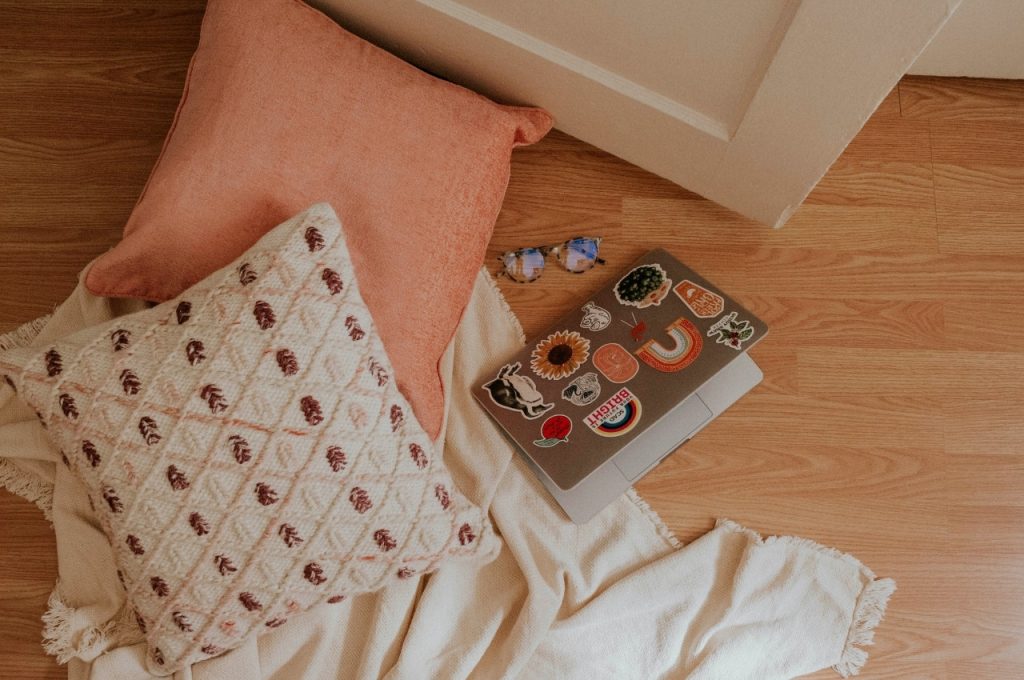
A nightstand with just a lamp is not enough. Add essentials like a water carafe, tissues, hand cream, or even a notepad and pen. These small touches help guests settle in without having to ask for things. Include a small tray or dish for jewelry and a bottle of water if they arrive late. These additions show you’ve thought about their stay and want them to feel taken care of. A well-stocked nightstand quietly speaks volumes about your hosting skills.
25. Unclear Bathroom Sharing Rules
If your guest is sharing a bathroom with family members or kids, unclear rules can make things awkward. They might hesitate to enter when someone else is around or avoid using it altogether. A friendly note or verbal explanation about when the bathroom is typically free or how long showers usually take makes guests feel less intrusive. You can even assign them a specific towel color or shelf space. Small clarifications go a long way in making guests feel at ease.
26. Forgetting to Check the Alarm Clock Settings

Old alarm clocks or smart devices may have leftover settings from previous guests or family members. An unexpected alarm going off at 6 AM can jolt a guest from much-needed rest. Before your visitor arrives, double-check all clocks and devices for alarm settings. Better yet, leave a simple instruction note if the device is tricky to operate. These small checks show thoughtfulness and spare your guests from unnecessary disruptions during their stay.
27. No Hooks or Hangers for Coats and Bags
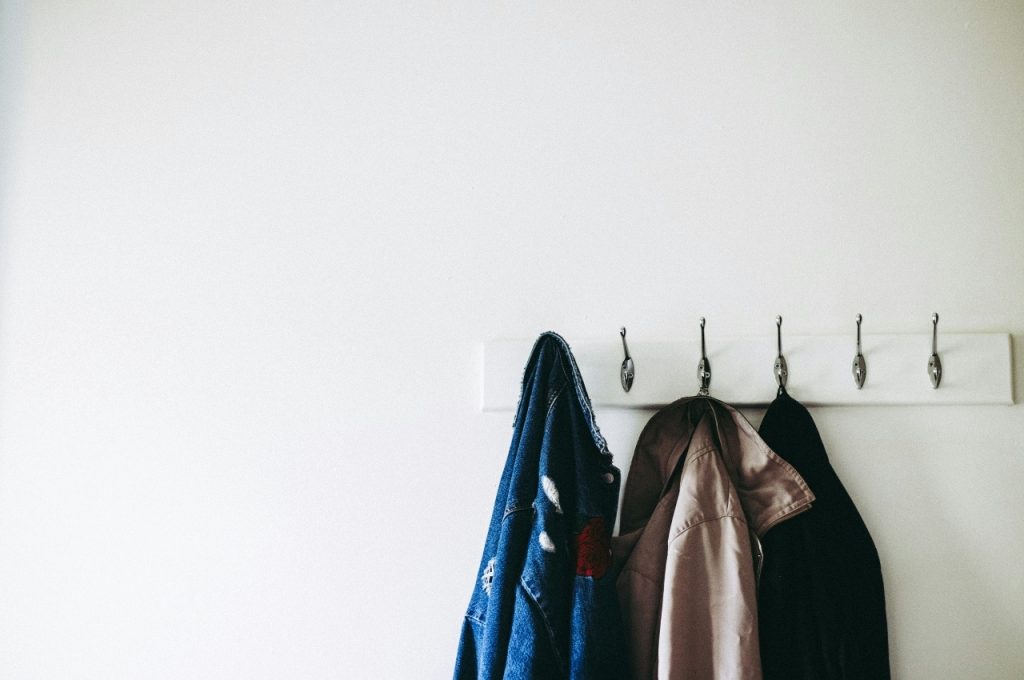
When guests enter the room, they need a spot to hang up jackets, scarves, or handbags. If the closet is full or there are no hooks, they end up piling everything on the bed or floor. Install a few wall hooks or clear a portion of the closet with extra hangers. A hook behind the door also works well. Having this simple convenience makes the room feel more organized and guest-ready without much effort.
28. Providing Overly Fragile Decor

Delicate glass vases, ceramic figurines, or antique pieces might look beautiful, but they can make guests nervous about accidentally breaking something. Swap out fragile items for soft accents like books, plants, or baskets. If sentimental items must stay, place them higher on shelves where they are out of the way. A guest room should feel relaxed and low-pressure. Removing breakables reduces anxiety and allows visitors to move freely without worry.
29. Forgetting to Leave an Extra Roll of Toilet Paper

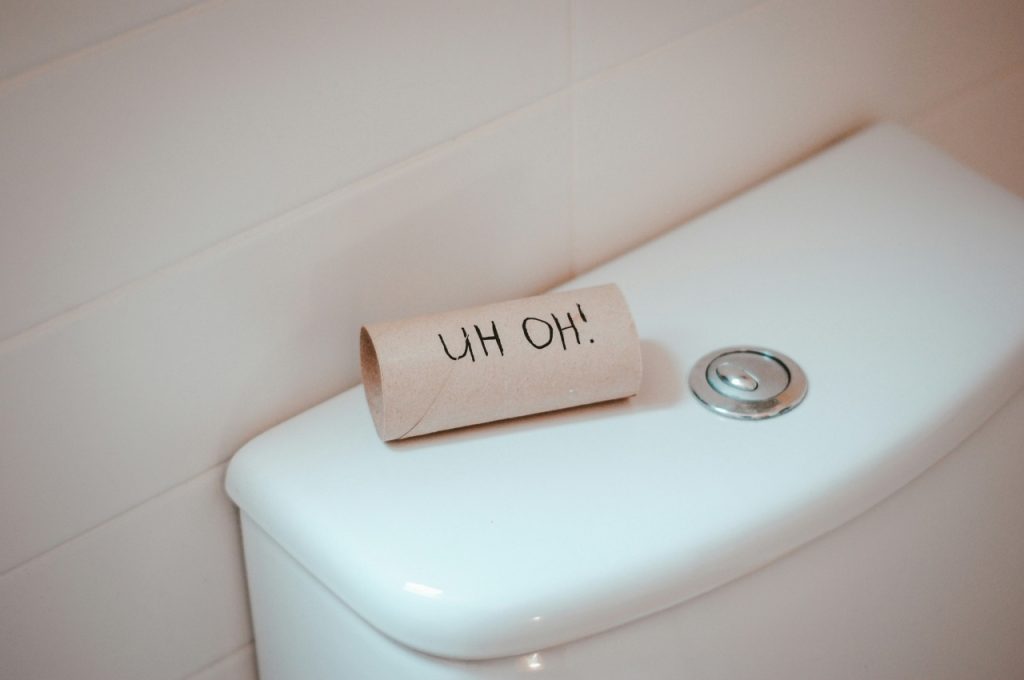
One of the most overlooked yet essential items is a backup roll of toilet paper. Guests may feel too embarrassed to ask if they run out. Make it easy by placing one or two extra rolls in a visible spot, like on a shelf or in a small basket. This simple act removes awkwardness and shows excellent foresight. It’s the kind of minor gesture that makes a major difference in your guest’s overall comfort.
30. Not testing the light switches before guests arrive
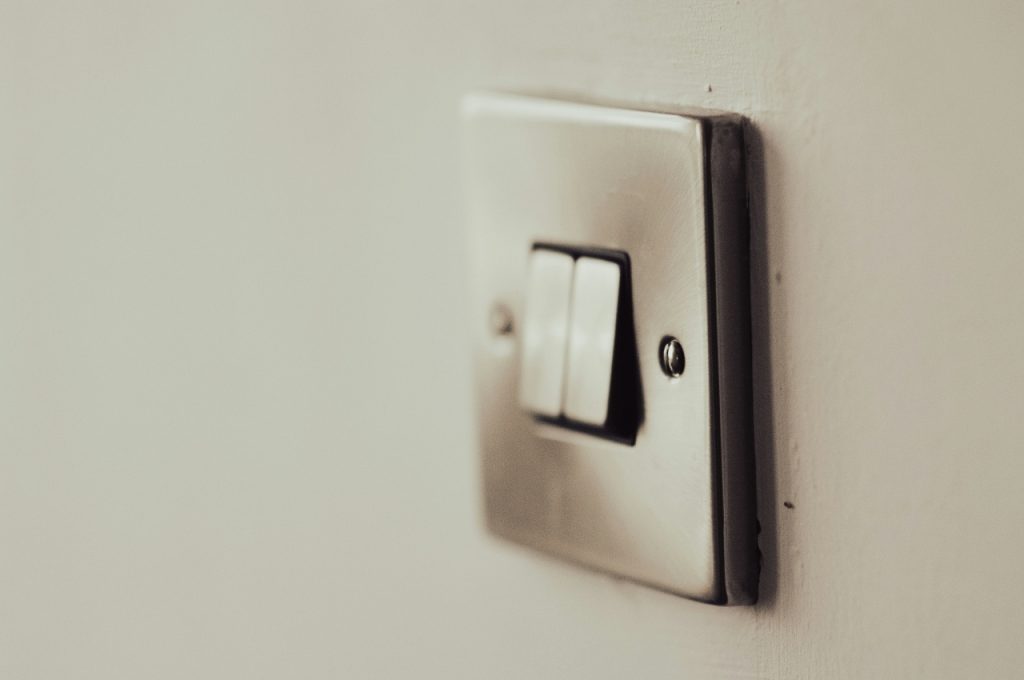
Light switches that do nothing, control odd outlets, or turn on noisy fans can confuse your guests. They might spend time fumbling in the dark or feeling unsure about how things work. Before guests arrive, take a few moments to check that all lights turn on easily and that bulbs are fresh. If switches are quirky, label them discreetly. These small touches reduce confusion and make guests feel instantly more comfortable and in control of their space.
31. Storing old junk or boxes under the guest bed
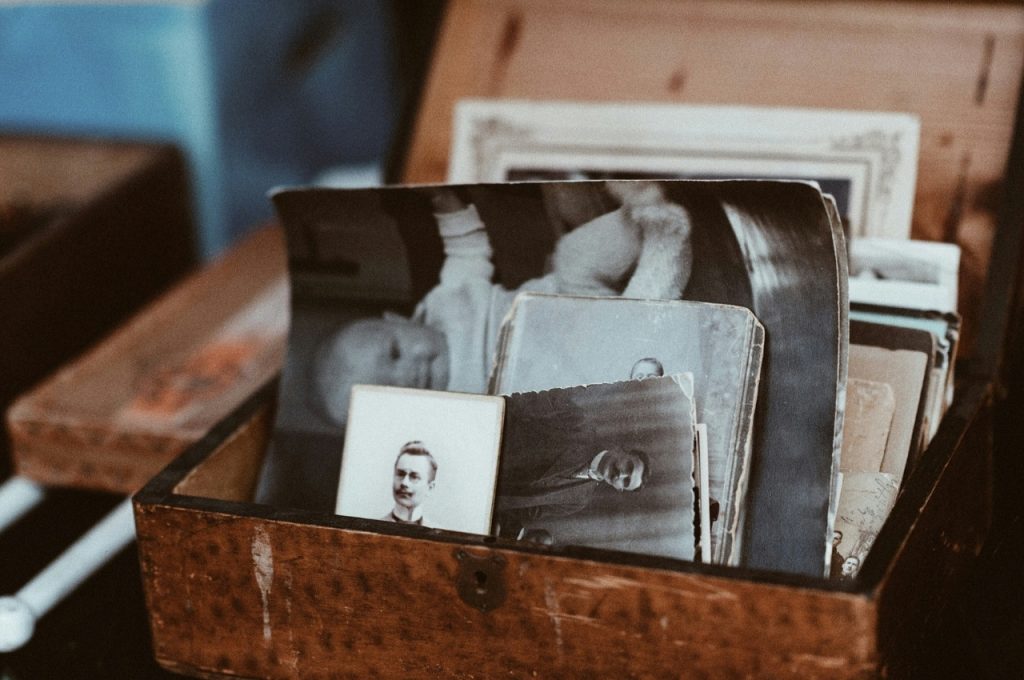
Many people stash random items under the bed, thinking they’re out of sight. But guests often peek under while settling in or storing luggage. Finding dusty boxes, holiday decorations, or old clothes can make them feel like they’re intruding. It sends a message that the room isn’t truly meant for guests. Clear the space or use storage bins neatly tucked away. This small effort ensures your guest feels like the room was prepared specifically for them, not just repurposed at the last minute.
32. Not providing a tissue box in the room

When guests need a tissue, they shouldn’t have to wander around your house awkwardly asking for one. Whether it’s for allergies, makeup, or late-night sniffles, tissues are a basic item that’s often overlooked. Placing a simple tissue box on the nightstand or dresser is a thoughtful, hygienic touch. Bonus points if it’s a soft, high-quality kind that doesn’t feel like sandpaper. This tiny detail can save your guest from a minor frustration and adds to the overall comfort of their stay.
33. Failing to stock basic over-the-counter medicine
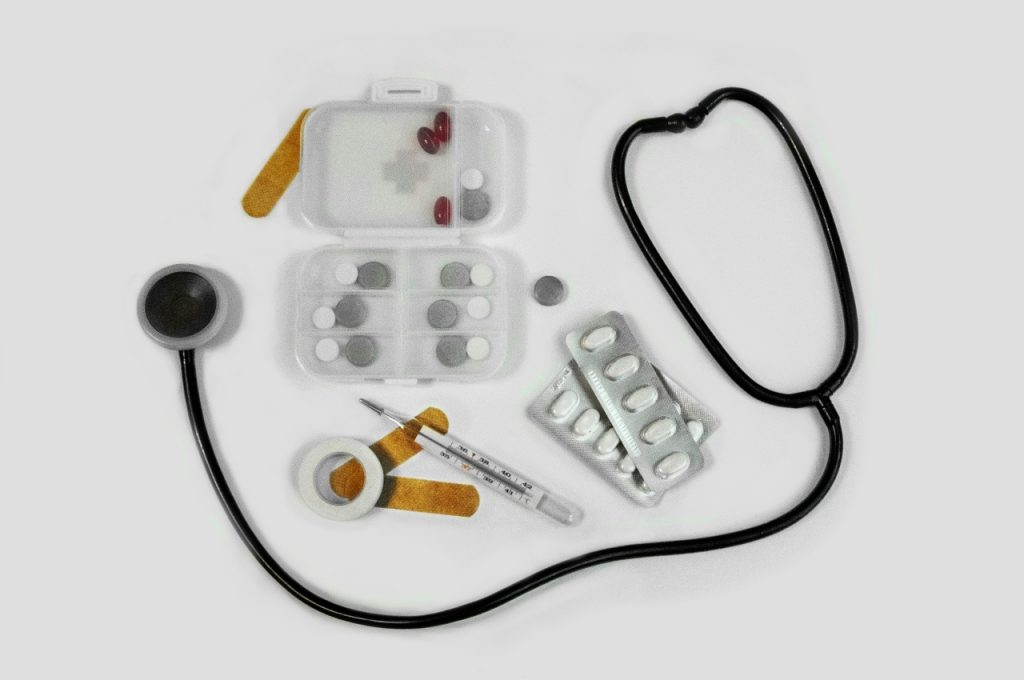
Late-night headaches or minor stomach issues can make your guest feel miserable, especially if they don’t want to bother you. Keep a small tray or pouch in the guest room with basics like pain relievers, antacids, or allergy tablets. Include instructions and expiration dates to ensure safety. You don’t need to offer a full pharmacy—just the essentials. This small gesture shows thoughtfulness and can spare your guest from suffering in silence or scrambling to find a pharmacy.
34. Allowing pet hair or allergens to build up

If you have pets, your guest room needs extra attention before hosting someone who may have allergies. Even if they like animals, sleeping in a space with fur on the bedding or dander in the air can cause discomfort. Vacuum thoroughly, wash linens, and keep pets out of the room for a few days before their arrival. You want your guest to breathe easy and sleep soundly. Taking a little extra care ensures the space feels fresh and clean for everyone.
35. Forgetting to Include a Local Guide or Wi-Fi Info Card
Even close friends or family can feel out of place in a new environment. A small card with your Wi-Fi password, house quirks, emergency contacts, and even nearby cafes or stores adds a thoughtful touch. Without this, guests may hesitate to ask or fumble around trying to connect or find basics. It makes their stay smoother and shows you’re thinking ahead for their needs. A printed or handwritten note is simple, and it sets a warm, informative tone right from the start.
