





Being a grandparent is a beautiful role but it works best with mutual respect and clear boundaries. Strong family ties thrive when everyone feels seen, heard, and supported. From screen time to surprise visits, setting gentle limits helps avoid overstepping and keeps relationships grounded in trust. These 25 thoughtful boundaries help grandparents stay connected, supportive, and in sync with their adult children’s parenting style while still enjoying every moment with their grandkids.
1. Respect the Parents’ Rules

You might not agree with every parenting choice but honoring them shows you respect your children as parents. Whether it’s about screen time, snacks, or bedtime routines, staying consistent with their rules helps avoid confusion and reinforces trust. Your grandkids notice when the adults in their life are united. Supporting the parents’ decisions even quietly goes a long way in building a healthy, cooperative family dynamic.
2. Ask Before Giving Sweets or Treats
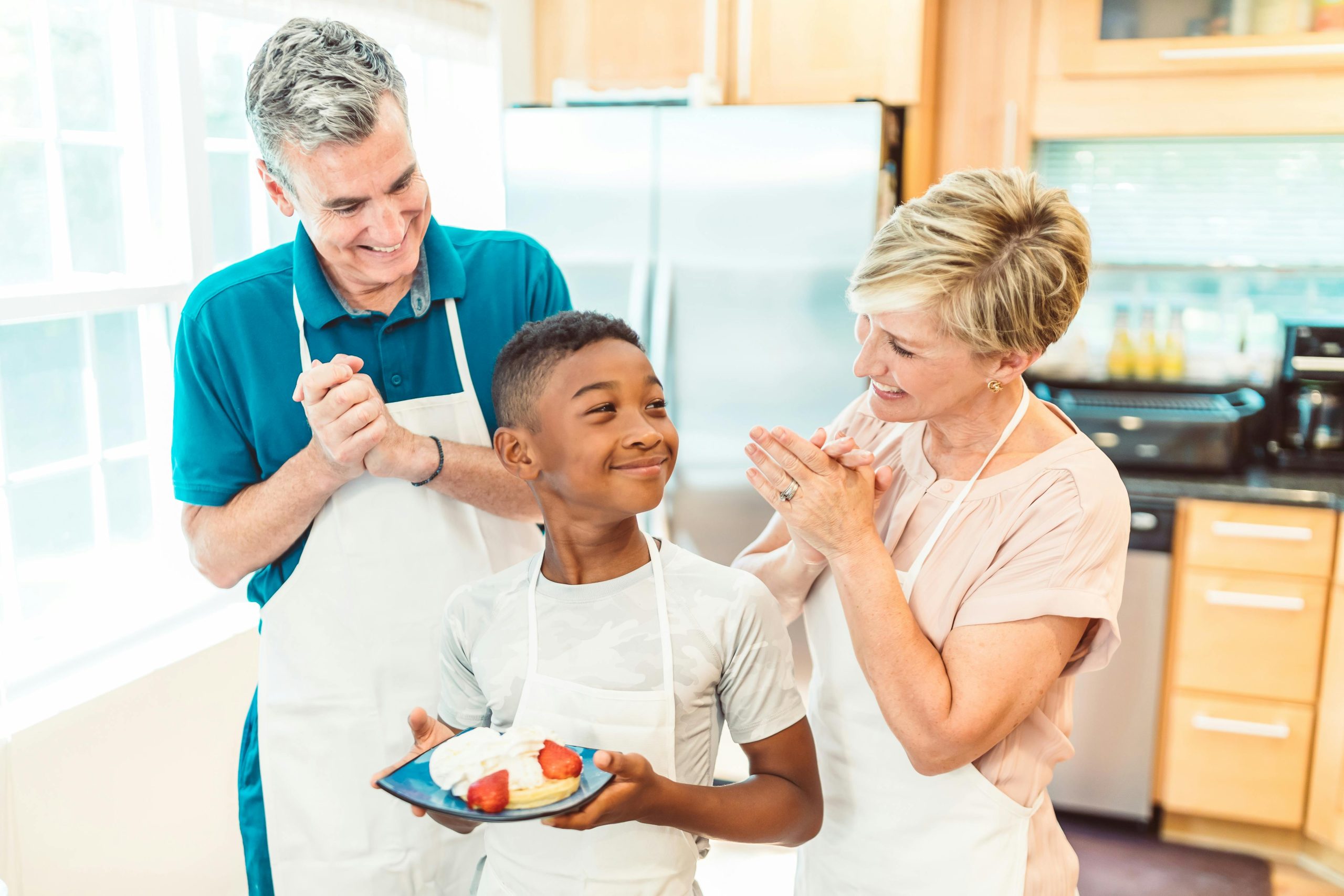
Being the “fun” grandparent is great until surprise sugar highs throw the household off balance. Even small things like candy, soda, or fast food can clash with the parents’ health goals. A quick ask before handing over a treat shows you respect their choices and helps avoid unnecessary tension. It’s not about denying joy, it’s about being part of a team that supports consistency and care in everyday routines.
3. Avoid Surprise Visits

Showing up unannounced might feel thoughtful or spontaneous, but for parents juggling naps, chores, or just daily chaos, it can be overwhelming. Especially with newborns or toddlers, timing is everything. What feels like a sweet gesture may unintentionally create stress. A quick call or message beforehand gives them a chance to prepare or politely reschedule. Respecting their space helps visits feel more relaxed, welcomed, and genuinely enjoyable for everyone involved.
4. Don’t Undermine Discipline Decisions
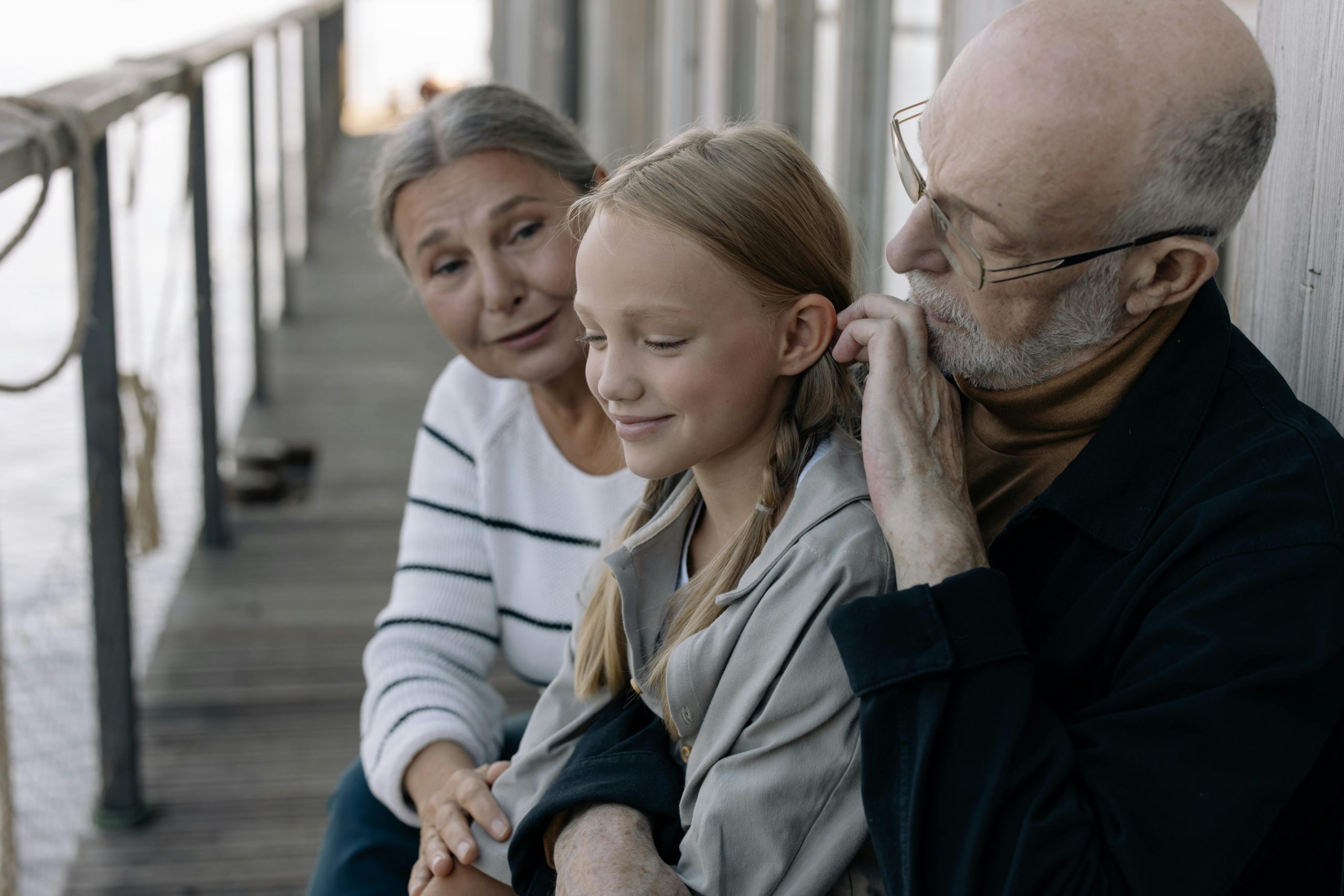
When a parent sets a boundary, backing them up not bending the rules helps preserve trust on all sides. Saying “yes” after a parent says “no,” even for something small like screen time or snacks, can quietly erode their authority. Kids quickly pick up on mixed messages, which can lead to confusion and tension. Supporting discipline decisions even when you disagree shows unity and teaches your grandkids the value of consistency, respect, and teamwork within the family.
5. Limit “Back in My Day” Comparisons

It’s natural to remember how you raised your kids but constant comparisons like “We never did that and you turned out fine” can feel dismissive. Parenting evolves with new research, tools, and challenges. What worked decades ago may not align with today’s needs. Offering support without leaning on nostalgia helps adult children feel respected in their role. Share stories if asked but avoid turning them into measuring sticks. Mutual respect grows when advice is thoughtful, not layered in “should-haves.”
6. Honor Screen Time Guidelines
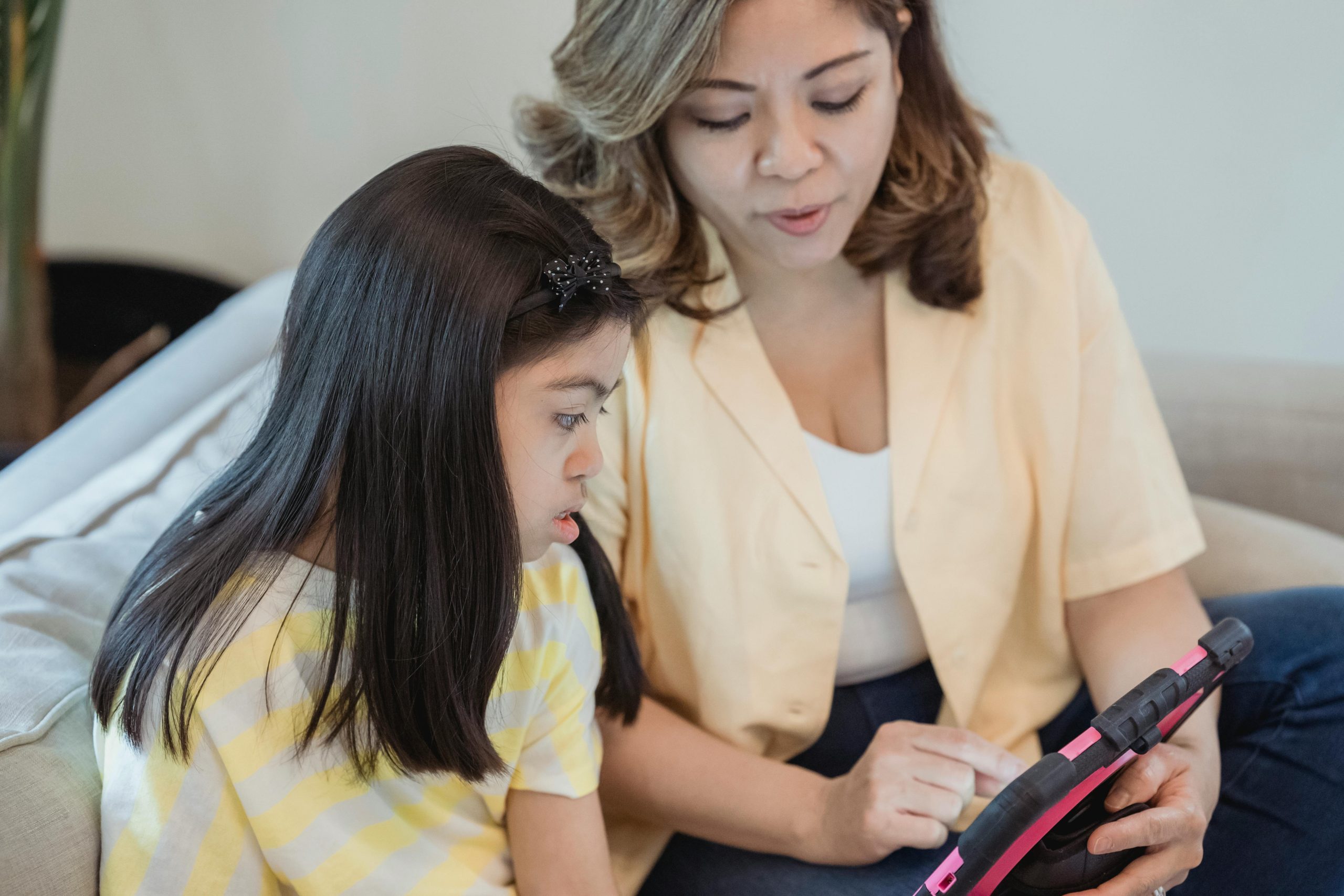
TV shows, tablets, and games may seem harmless, but screen time limits are often carefully chosen by parents for developmental or behavioral reasons. Even if the rules feel overly strict or different from how you raised your own kids, sticking to them shows respect and support. Consistency helps children understand boundaries, and your willingness to uphold them reinforces your role as a trusted partner in their upbringing not someone who overrides the rules when no one’s looking.
7. Ask Before Posting Photos Online

Snapping and sharing a cute photo of your grandchild might feel totally innocent but online boundaries matter more than ever. Many parents are careful about what they share (or don’t) for privacy, safety, or personal reasons. Posting without permission can quickly cross a line. A quick check-in “Mind if I post this?” shows you respect their parenting choices in the digital world, just as you would in real life. It keeps trust intact and avoids misunderstandings over something that was meant to be sweet.
8. Don’t Compete for the Child’s Affection
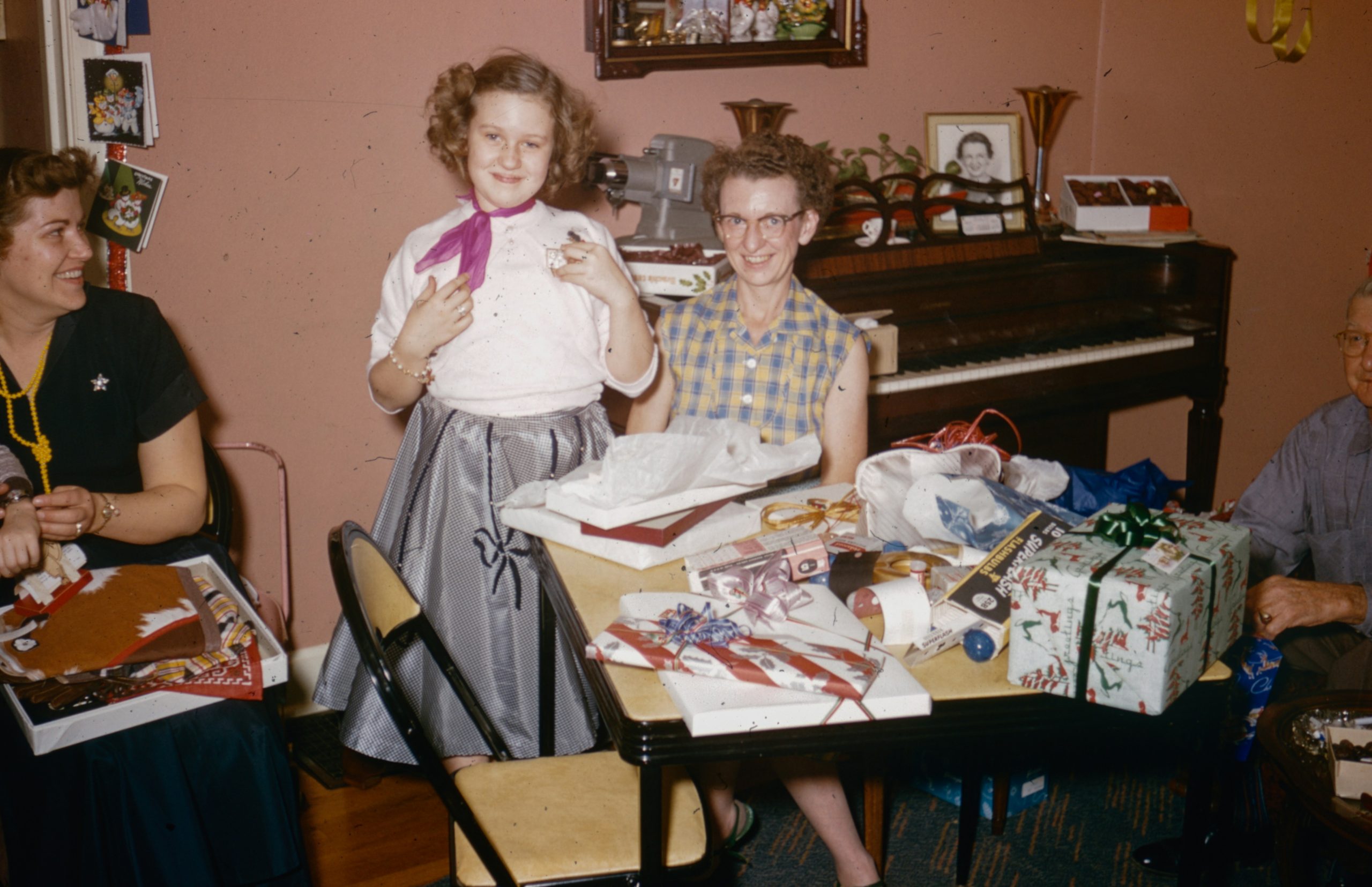
Trying to be the “favorite” grandparent by giving more gifts, bending rules, or outshining others can backfire. It may lead to confusion, entitlement, or even rivalry among adults. Kids don’t need to be won over they need consistency, warmth, and genuine connection. The most meaningful bond isn’t built with toys or treats, but with time, patience, and trust. Focus on showing up fully, listening closely, and being someone your grandkids can count on not someone trying to win them over.
9. Respect Nap and Bedtime Schedules

Sleep routines are sacred in most households for good reason. Skipping or shifting nap or bedtime, even by 15 minutes, can lead to meltdowns, crankiness, and sleepless nights. As tempting as it is to extend playtime or squeeze in one more story, honoring the routine shows you’re aligned with the parents, not working around them. It’s a small act that makes a big difference in helping kids feel secure and gives parents a much-needed sense of stability and support.
10. Avoid Overspending on Gifts

Grandparents often want to spoil their grandkids but too many toys, gadgets, or surprise packages can create clutter and cause tension with parents. What feels generous may overwhelm a child or clash with values around simplicity, gratitude, or limits. Before buying, check in with the parents or ask for a wish list. Better yet, offer experiences like a zoo trip or baking day that create lasting memories without adding more stuff. It’s not about how much you give, but how meaningfully you show up.
11. Don’t Pressure for More Grandkid Time

It’s natural to want more time with your grandkids, but pushing too hard or using guilt to get it, can create stress for parents and strain your relationship. Everyone’s juggling work, routines, and life’s curveballs. Instead, show appreciation for the time you do get, no matter how brief. A gracious attitude builds goodwill and often leads to more invitations, not fewer. Remember, it’s not about how often you see them, it’s about making those moments count.
12. Keep Parenting Advice Optional
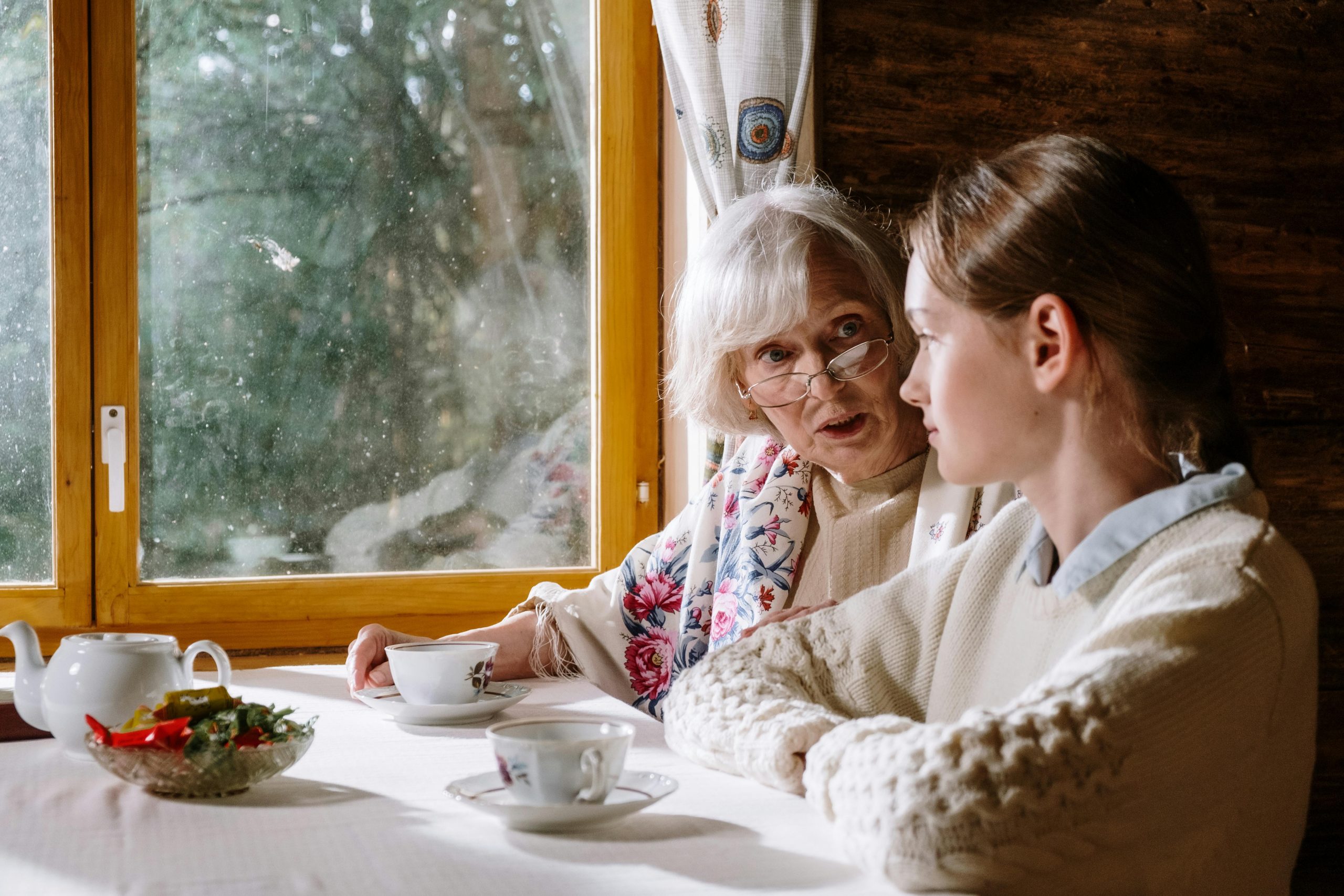
You’ve raised kids and that wisdom matters. But offering advice when it hasn’t been asked for can feel more like judgment than support. Even gentle suggestions may come across as second-guessing. Instead, wait for the invitation to share. In the meantime, offer encouragement and trust that your children are making thoughtful, informed choices. Being a steady, non-critical presence often speaks louder than any tip you could give. Sometimes the best advice is simply, “You’re doing great.”
13. Avoid Gossiping About the Parents

It might seem harmless to vent or joke about your adult children’s parenting to friends or relatives but those words have a way of getting back. Even offhand remarks like “They’re way too strict” or “I don’t know why they do that” can seriously damage trust. Your role is to support, not critique behind closed doors. If you have concerns, bring them up gently and directly. Otherwise, hold space for your kids to grow into their role without feeling judged or second-guessed.
14. Steer Clear of Family Conflicts
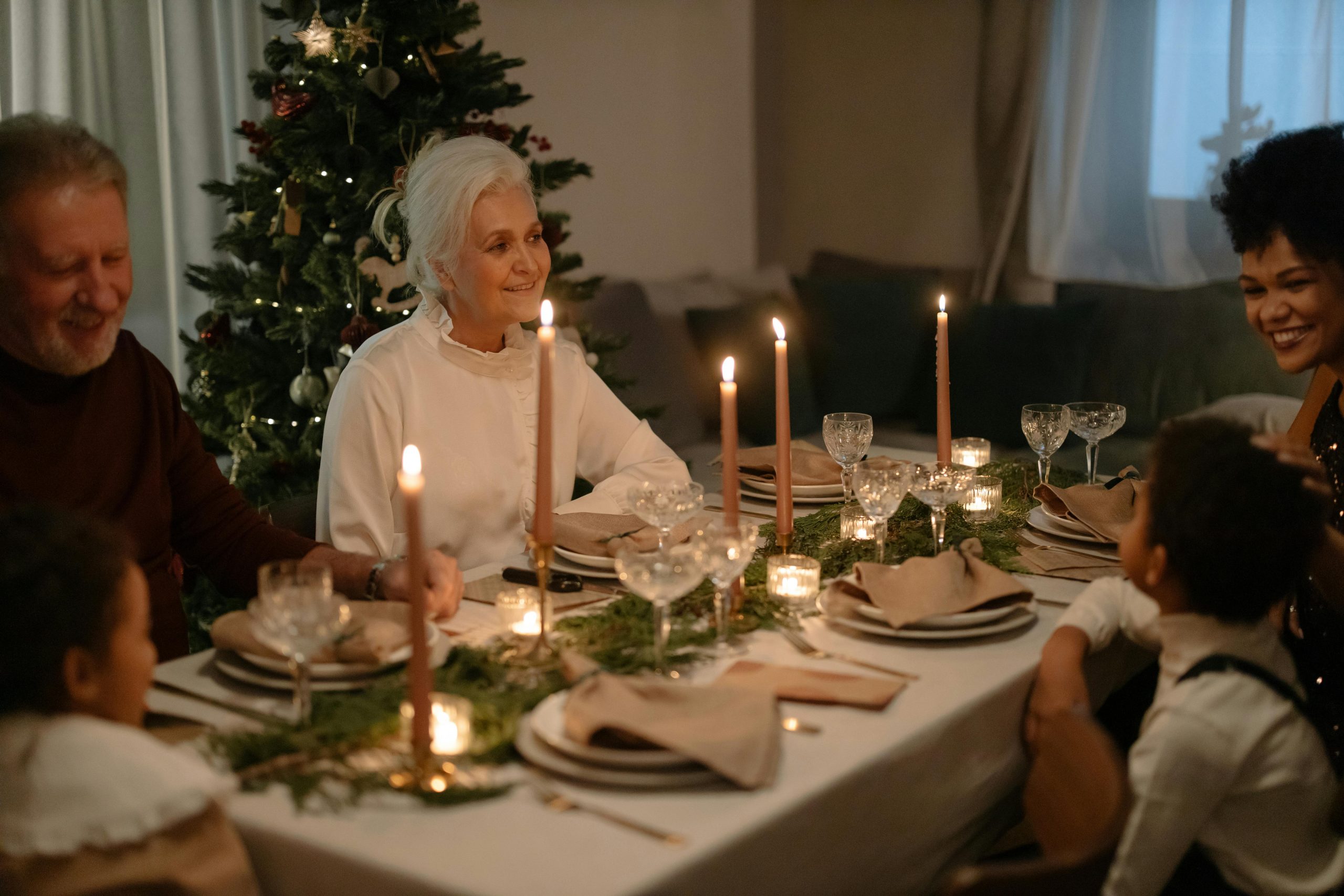
It’s tempting to step in when tension rises especially if you think you can help. But playing mediator, taking sides, or passing along complaints can escalate issues instead of easing them. Grandparents are often most valuable when they remain neutral, calm, and supportive to all parties. Your role is to be a steady presence, not part of the emotional tug-of-war. When you stay out of the fray, you help create a safe space where everyone especially the grandkids can feel emotionally secure.
15. Respect Household Routines

Every family has its own rhythm screen-free dinners, quiet mornings, or Sunday cleanups included. These routines keep the household running smoothly and give kids a sense of structure. Ignoring them, even unintentionally, can feel disruptive. By observing and respecting the daily flow, you show you’re there to support, not override. Your flexibility sends a strong message: you value their way of doing things, even if it’s different from how you did it years ago.
16. Let Parents Have the First Word on Big News

It’s exciting when there’s big news to share like a pregnancy, new job, or your grandchild’s first steps but resist the urge to be the first to tell others. Announcements, especially those involving the kids, belong to the parents. Sharing before they do even with good intentions can unintentionally rob them of a joyful, personal moment. When you hold back and let them take the lead, you show respect for their boundaries and trust them to share what matters, when the time feels right.
17. Don’t Expect Constant Access or Updates
It’s easy to miss your grandkids and want regular updates but nonstop texts asking for photos, videos, or “How’s the baby today?” can quickly wear parents down. What feels like love to you might feel like pressure to them. Let communication flow at their pace. Trust that your bond doesn’t depend on daily check-ins, it’s built on long-term presence, patience, and understanding. When you give space, it often opens the door to more meaningful connection, not less.
18. Avoid Judging Parenting Styles

Parenting today looks different gentle discipline, limited screen time, co-sleeping, or baby-led weaning might not be what you’re used to. But that doesn’t make them wrong. Criticizing or questioning every choice can make your adult children feel defensive or unsupported. Instead, approach their methods with curiosity. Ask why something matters to them, listen without correcting, and offer support even if it’s not how you did things. Respect strengthens your role far more than opinion ever will.
19. Support Without Taking Over
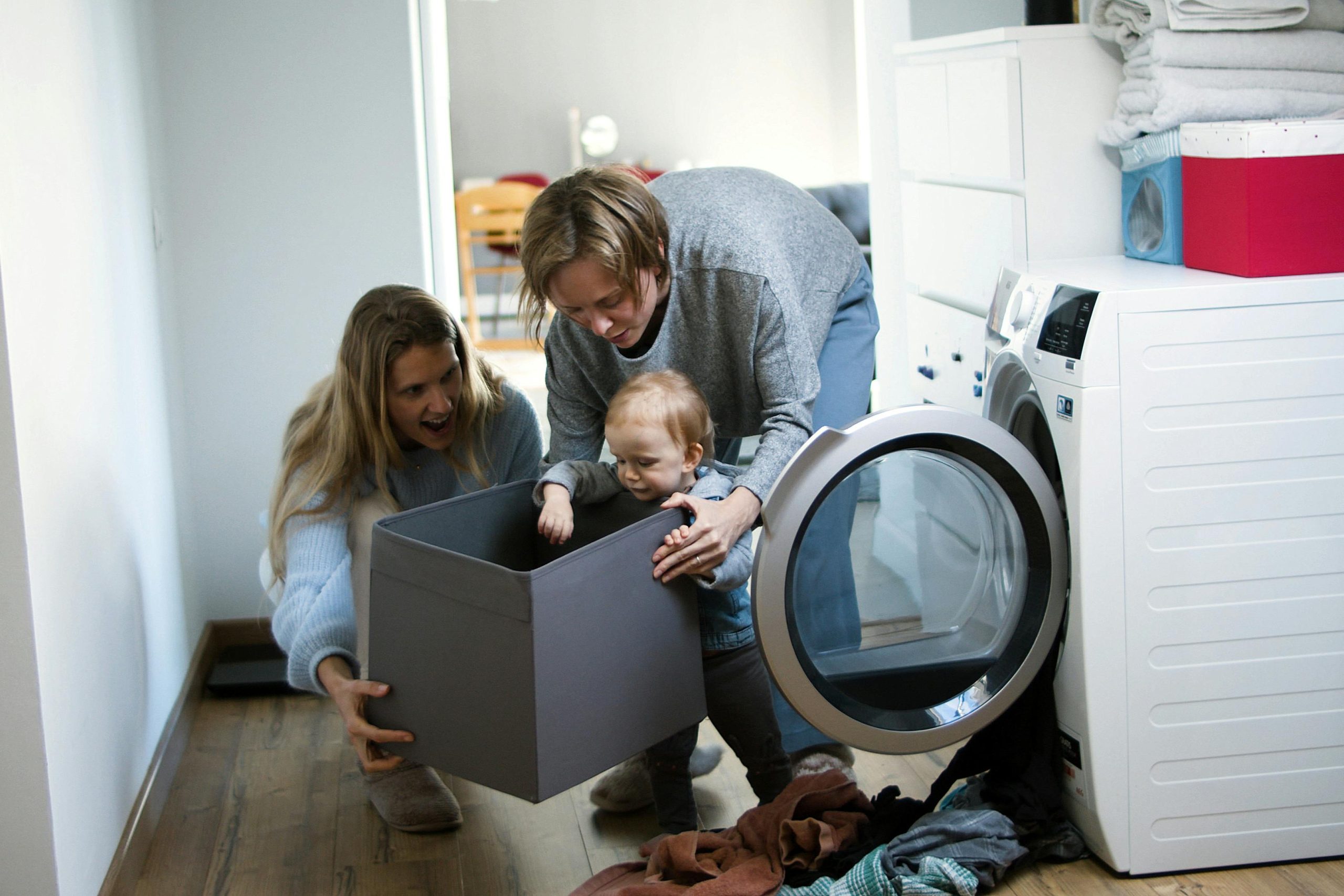
Pitching in with meals, childcare, or errands is deeply appreciated but there’s a fine line between helping and taking control. When your involvement starts to overshadow the parents’ authority or routines, it can lead to frustration. Step in when asked, and step back when needed. Offer support that uplifts rather than redirects. The goal isn’t to prove you know better, it’s to be a calm, reliable presence that reinforces the parents’ confidence, not replaces it.
20. Watch for Subtle Overstepping

Not all boundary-crossing is loud sometimes it slips in through small, passive-aggressive remarks. Comments like “He never acts that way with me” or “That’s an interesting approach” might seem harmless, but they can quietly chip away at trust. These subtle digs create distance and build resentment over time. Instead, speak with kindness and curiosity. If something surprises you, ask not judge. Words that uplift, support, and show respect keep relationships strong on every level.
21. Avoid Talking About Inheritance Around Kids

Even if you’re joking, talking about who gets what “when I’m gone” can be unsettling for young ears. Children may not fully grasp what you mean and even lighthearted comments can spark confusion, worry, or family tension. These discussions belong with adults, not around the playroom or dinner table. When you’re with your grandkids, keep the focus on connection, fun, and being fully present. The greatest gift you can give is your time and attention, no future promises required.
22. Don’t Play Favorites Among Grandkids

Kids are incredibly perceptive and favoritism, even subtle, doesn’t go unnoticed. Whether it’s giving more gifts, extra attention, or praising one child more than another, those small differences can lead to deep and lasting resentment among siblings or cousins. Each grandchild has a unique personality, and it’s natural to connect differently but love should feel equally shared. Be intentional about balancing your attention, affirmations, and time. Fairness today builds closeness that lasts for life.
23. Respect Time Boundaries (Don’t Overstay)

Even the most loving visit can become exhausting if it stretches too long especially for parents running on little sleep or tight routines. It’s not about being unwanted; it’s about knowing when to gracefully exit. Wrapping up your time before fatigue sets in shows awareness and respect for their bandwidth. Leave while the mood is still light and the appreciation still fresh. When you consistently honor their limits, future visits are met with open arms, not quiet dread.
24. Give Space After Birth or Big Life Events

Major life changes like a new baby, a big move, or a career shift can be joyful but also completely overwhelming. As a grandparent, it’s natural to want to help or be involved right away. But rushing in, even with love, can add stress instead of relief. Step back, check in with empathy, and offer help without assumption. Wait to be invited into the moment rather than taking charge of it. Respectful distance now builds stronger, more welcomed closeness later.
25. Keep the Relationship Two-Way, Listen Too
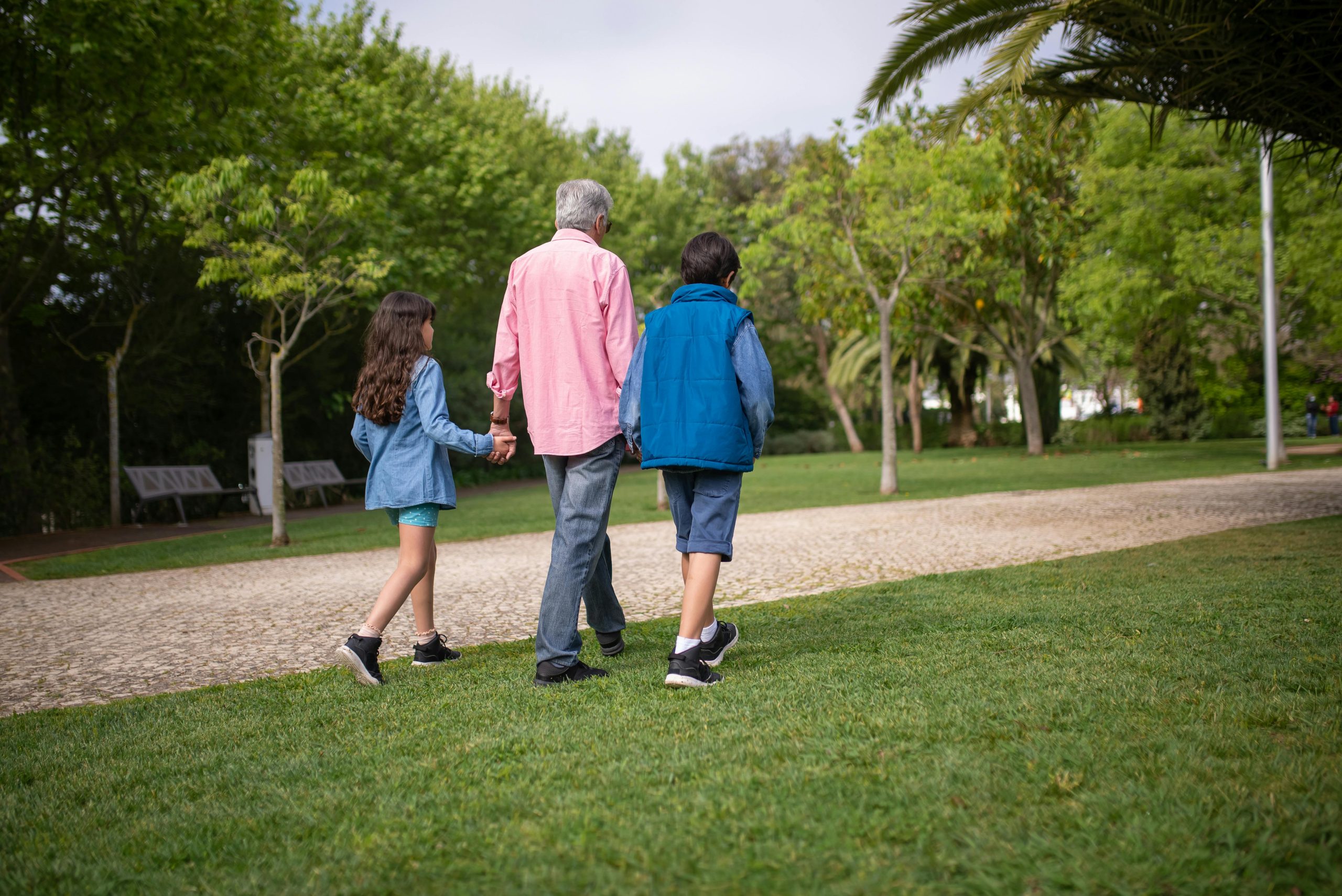
Boundaries aren’t just rules for others, they’re reflections of mutual respect. Being a great grandparent includes staying open to feedback, adjusting when something isn’t working, and apologizing when needed. You’ve got wisdom to share, but also more to learn about what your family needs now. Deep listening without defensiveness—shows your love is rooted in connection, not control. When you model growth, humility, and empathy, you teach your grandkids how strong relationships really last.
